
Best Temperature Settings for Washing T-Shirts
Choosing the right temperature for washing t-shirts can mean the difference between garments that last for years and those that shrink, fade, or deteriorate after just a few washes. Understanding the best temperature settings for washing t-shirts is crucial for proper garment care. At Teebete, we understand that proper garment care is essential to maintaining the quality and longevity of your favorite tees. This comprehensive guide will help you master the art of selecting the optimal temperature for washing t-shirts based on fabric type, color, and specific care requirements.
Understanding Water Temperature and Fabric Care
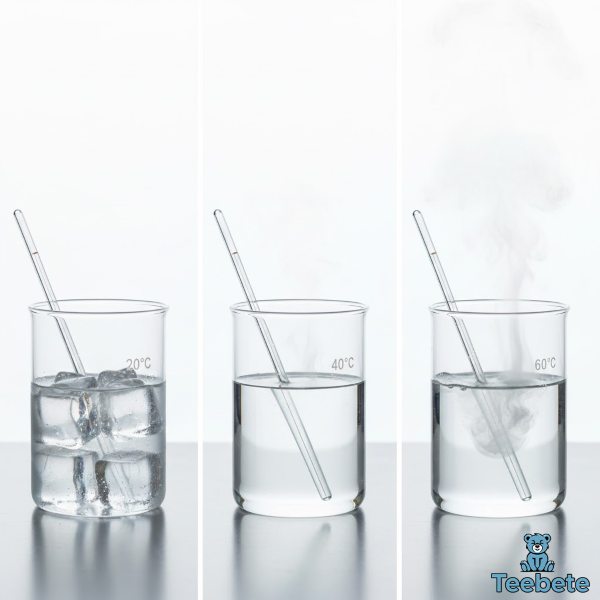
The temperature for washing t-shirts directly impacts how your garments look, feel, and perform over time. Modern washing machines typically offer several temperature settings, each serving a specific purpose in garment care.
Water temperature affects three critical aspects of laundry: cleaning effectiveness, fabric integrity, and energy consumption. According to laundry experts at Reader’s Digest, hot water can reach up to 130°F in most washers, which effectively kills bacteria but may damage delicate fabrics. Warm water ranges between 90-110°F, offering balanced cleaning without excessive risk, while cold water stays between 60-80°F, providing the gentlest care.
Understanding these temperature ranges helps you make informed decisions about washing your t-shirts. The temperature for washing t-shirts varies based on several factors, including fabric composition, color intensity, soil level, and whether the garment features special printing or embellishments.
Temperature Settings for Different T-Shirt Fabrics
Cotton T-Shirt Washing Temperature

Cotton remains the most popular fabric for t-shirts, valued for its breathability and comfort. However, cotton t-shirt washing requires careful attention to temperature settings to prevent shrinkage and maintain fabric quality.
For everyday cotton t-shirts, washing at 30-40°C (86-104°F) provides effective cleaning while minimizing shrinkage risks. Consumer testing organizations recommend 40°C as the standard temperature for cotton items, as it effectively removes stains without causing significant damage to fibers.
White cotton t-shirts can tolerate slightly higher temperatures when needed. If your white tees show signs of dinginess or have stubborn stains, washing at 60°C can help restore their brightness. However, for colored cotton t-shirts, stick to cooler temperatures to preserve dye vibrancy.
100% cotton items are particularly prone to shrinkage during the first few washes. The fabric care temperature you choose makes a crucial difference—temperatures above 60°C significantly increase shrinkage risk. At Teebete, we recommend washing new cotton t-shirts in cold water for the first wash to minimize initial shrinkage.
Polyester and Synthetic Blend T-Shirts

Polyester and synthetic blend fabrics offer excellent durability and wrinkle resistance, making them popular choices for athletic wear and casual t-shirts. The best temperature to wash polyester blend t-shirts typically ranges from 30-40°C.
These synthetic materials are generally more forgiving than natural fibers when it comes to temperature variations. However, excessive heat can still cause issues. Washing synthetic t-shirts at temperatures above 60°C may lead to fabric deterioration, loss of shape, and decreased moisture-wicking properties.
For best results with polyester blends, use warm water washing at around 40°C. This temperature effectively removes sweat, oils, and odors commonly associated with athletic activities while protecting the fabric’s performance characteristics.
Washing Graphic Tees Temperature Settings
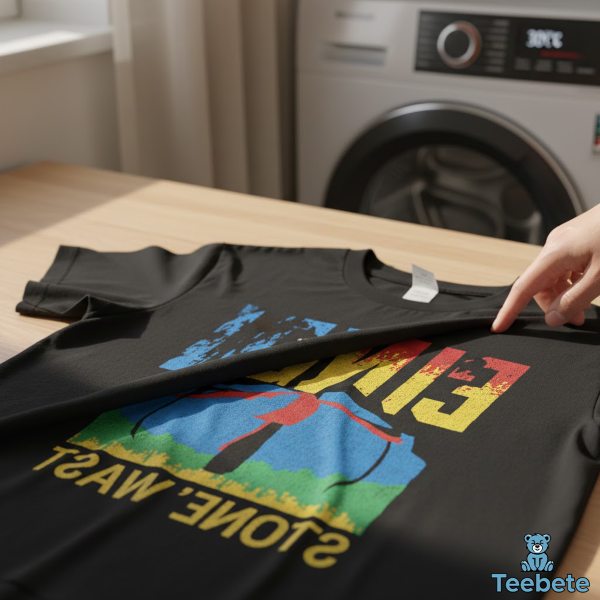
Graphic t-shirts require special consideration due to the printed designs that can crack, fade, or peel with improper care. Whether your graphic tee features screen printing, heat transfer, or direct-to-garment printing, temperature control is critical.
The ideal temperature for washing graphic tees is 30°C or lower. Garment care specialists emphasize that cooler temperatures preserve artwork integrity and minimize shrinkage. Hot water can cause inks to deteriorate rapidly, leading to cracked, faded, or peeling designs.
Always turn graphic t-shirts inside out before washing to reduce friction on the printed area. This simple step, combined with appropriate temperature settings, significantly extends the life of your graphic tees. At Teebete, our graphic tees are designed to withstand regular washing when proper care guidelines are followed.
Cold Water vs Hot Water Washing: Making the Right Choice

The cold water vs hot water washing debate has evolved significantly with advances in detergent technology. Understanding when to use each temperature helps optimize both cleaning effectiveness and garment longevity.
Benefits of Cold Water Washing
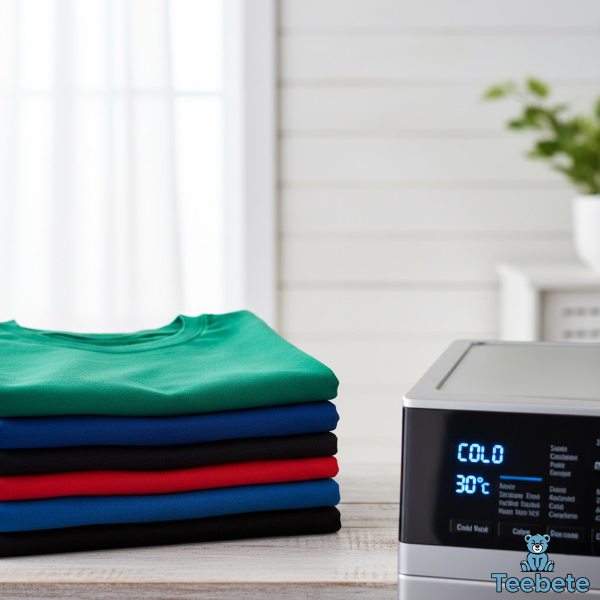
Cold water washing offers numerous advantages for t-shirt care. Most modern detergents are specifically formulated to work effectively in cold water, making it a viable option for the majority of laundry loads.
Cold water:
- Prevents color fading and dye bleeding
- Reduces shrinkage risk significantly
- Protects fabric fibers from heat damage
- Saves energy and reduces utility costs
- Extends overall garment lifespan
For t-shirts, cold water washing at 20-30°C works exceptionally well for lightly soiled items and delicate fabrics. It’s particularly effective for dark colors, bright hues, and any t-shirts you want to protect from fading.
When to Use Warm Water
Warm water washing provides a middle ground between gentle cold water and aggressive hot water. Washing machine temperature settings in the warm range (30-40°C) offer enhanced cleaning power while maintaining reasonable fabric care.
Warm water works well for:
- Everyday cotton t-shirts with moderate soiling
- Removing light grease or food stains
- Washing t-shirts that aren’t particularly delicate
- Achieving better stain removal than cold water alone
The fabric care temperature of warm water strikes an optimal balance for most t-shirt washing needs. It dissolves detergent more effectively than cold water while posing less risk than hot water.
Hot Water: When It’s Necessary
Hot water washing should be reserved for specific situations where sanitization or heavy stain removal is required. While effective for killing bacteria and removing stubborn stains, hot water poses the greatest risk to t-shirt fabrics.
Use hot water (60°C or higher) only when:
- Washing white cotton t-shirts that need brightening
- Dealing with illness-related contamination requiring sanitization
- Removing heavy oil-based stains from durable fabrics
- Care labels specifically indicate hot water is safe
Remember that what temperature kills bacteria on t-shirts typically starts around 60°C. However, modern detergents can achieve sanitization at lower temperatures when combined with appropriate additives.
Understanding Shrinkage: At What Temperature Do Clothes Shrink?
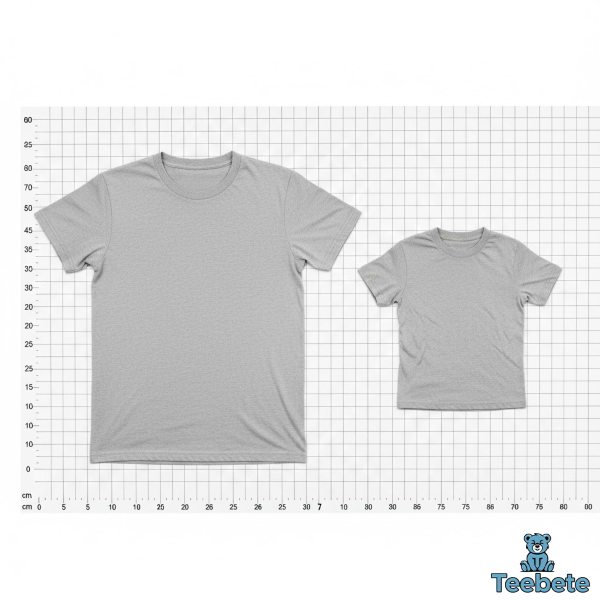
One of the most common laundry mishaps involves discovering your favorite t-shirt has shrunk to unwearable proportions. Understanding at what temperature do clothes shrink helps prevent this frustrating outcome.
Research on fabric shrinkage shows that natural fibers like cotton begin shrinking at temperatures as low as 40°C, especially during initial washes. The shrinkage intensifies at higher temperatures, with significant contraction occurring at 60°C and above.
Cotton fibers typically shrink when exposed to temperatures above 38°C (100°F), though pre-shrunk fabrics show more resistance. The combination of heat, water, and mechanical agitation causes three types of shrinkage:
Relaxation shrinkage occurs when water releases tension built into fabrics during manufacturing. This type affects cotton, linen, and silk, happening regardless of temperature but accelerating with heat.
Consolidation shrinkage results from the combined effects of heat, water, and agitation, causing fibers to return to their natural, more compact state. This is the primary cause of t-shirt shrinkage during washing.
Felting shrinkage affects animal fibers like wool, where protein scales interlock when exposed to heat and agitation. While less relevant for most t-shirts, this process demonstrates how temperature and movement combine to alter fabric structure.
To minimize shrinkage risk, wash t-shirts at 30°C or lower, avoid overloading the washing machine, use gentle cycles, and air-dry instead of using high-heat dryer settings. Following these guidelines for the temperature for washing t-shirts helps maintain original garment size and fit.
Optimal Washing Machine Settings for T-Shirts

Beyond temperature, other washing machine settings significantly impact t-shirt care. The complete washing machine temperature settings strategy includes cycle selection, spin speed, and water level.
Cycle Selection
Most washing machines offer several cycle options, each designed for specific fabric types and soil levels. For t-shirts, the delicate or gentle cycle provides the best protection. These cycles feature:
- Slower agitation to reduce fabric stress
- Shorter wash times to minimize wear
- Lower spin speeds to prevent stretching
- More water for gentler cleaning action
Standard or normal cycles work adequately for sturdy cotton t-shirts without special decorations. However, graphic tees, vintage shirts, and delicate fabrics always benefit from gentler cycle options.
Spin Speed Considerations
High spin speeds extract more water but create additional stress on fabrics and can contribute to shrinkage. For t-shirt care, moderate spin speeds (800-1000 RPM) balance effective water removal with fabric protection.
Graphic t-shirts particularly benefit from reduced spin speeds, as high-speed spinning can stress printed areas and accelerate design deterioration. If your machine allows spin speed adjustment, select medium or low settings for your most valued tees.
Load Size Management
Never overload your washing machine when washing t-shirts. Overcrowding prevents proper water circulation, reduces cleaning effectiveness, and increases friction between garments. This friction can damage fabrics, stretch necklines, and cause premature wear.
Fill your machine to approximately 75% capacity for optimal results. This allows adequate space for water and detergent to circulate while minimizing fabric-on-fabric abrasion.
Special Considerations for Different T-Shirt Colors
Color plays a crucial role in determining the best temperature for washing t-shirts. Different colors require different care approaches to maintain their appearance over time.
White T-Shirts
The best temperature to wash white t-shirts without shrinking typically ranges from 30-40°C for regular maintenance. This temperature effectively removes everyday dirt and prevents yellowing without causing excessive shrinkage.
However, when white t-shirts become dingy or develop sweat stains, higher temperatures may be necessary. Washing at 60°C with a quality detergent can restore brightness to white cotton tees. Always check care labels before using hot water, as some synthetic white fabrics cannot tolerate high temperatures.
For maintaining white t-shirts, separate them from colored laundry to prevent dye transfer. Even small amounts of color bleeding can leave white tees looking gray or dingy over time.
Dark and Colored T-Shirts

How to prevent t-shirt colors from fading in wash centers on temperature control and washing technique. Dark colors—blacks, navy blues, deep reds—are particularly susceptible to fading when washed in warm or hot water.
Wash dark and brightly colored t-shirts in cold water (20-30°C) to preserve color vibrancy. The cooler temperature for washing t-shirts prevents dye molecules from breaking down and bleeding out of the fabric. Additionally, turning colored t-shirts inside out before washing provides extra protection against fading.
Consider using detergents specifically formulated for dark or bright colors, as these products contain ingredients that help maintain color intensity while cleaning effectively in cooler water.
Tie-Dye and Hand-Dyed T-Shirts
Specialty-dyed t-shirts require extra care to preserve their unique color patterns. Hand-dyed and tie-dye t-shirts should always be washed in cold water, ideally by hand for the first several washes.
These garments often contain excess dye that hasn’t fully set into the fabric. Cold water washing minimizes dye release and prevents colors from bleeding together and creating muddy patterns. After initial washes, you can machine wash tie-dye tees in cold water, but always separate them from other laundry.
Energy Efficient Washing: Environmental and Economic Benefits

Choosing appropriate temperature settings for washing t-shirts impacts more than just garment care—it significantly affects energy consumption and utility costs. Energy efficient washing practices benefit both your budget and the environment.
Cold water washing provides the most substantial energy savings. According to the American Cleaning Institute, approximately 90% of a washing machine’s energy consumption goes toward heating water. By switching from hot to cold water, you can dramatically reduce your energy bills and carbon footprint.
Energy consumption studies show that reducing temperature from 40°C to 20°C cuts washing machine running costs by an average of 62%. These savings compound significantly over time, potentially reducing hundreds of dollars from annual energy expenses.
For optimal energy efficiency while maintaining effective t-shirt care:
- Use cold water (20-30°C) for most loads
- Reserve warm water (40°C) for moderately soiled items
- Limit hot water washing to sanitization needs only
- Ensure full but not overloaded wash loads
- Clean your washing machine regularly for peak efficiency
At Teebete, we advocate for sustainable garment care practices that protect both your t-shirts and the planet. Modern detergent formulations make cold water washing increasingly effective, allowing you to maintain excellent results while reducing environmental impact.
Stain Removal and Temperature Selection

The stain removal temperature you choose depends on the type of stain you’re addressing. Different stains respond differently to temperature variations, and using the wrong temperature can actually set stains permanently.
Protein-Based Stains
Protein stains—including blood, sweat, and food proteins—require cold water treatment. Hot water causes protein molecules to bond with fabric fibers, creating permanent stains that resist subsequent removal attempts.
When dealing with protein stains on t-shirts:
- Rinse immediately with cold water
- Apply stain remover or enzyme-based detergent
- Allow pre-treatment to work for 15-30 minutes
- Wash in cold water using a regular cycle
This approach effectively removes protein stains while protecting your t-shirt from heat damage.
Oil and Grease Stains
Oil-based stains respond better to warm or hot water, which helps dissolve and lift greasy residues. However, balance this need with your t-shirt’s fabric limitations.
For oil stains on cotton t-shirts, apply dish soap or specialized grease-fighting detergent directly to the stain, then wash at the highest temperature your garment can safely tolerate—typically 40-60°C for cotton.
Tannin and Dye Stains
Coffee, tea, wine, and juice stains fall into the tannin category. These respond best to cool or warm water treatment combined with stain removers specifically formulated for color-based stains.
Treat tannin stains promptly with cold water to prevent setting, then wash at 30-40°C for optimal removal. Avoid hot water, which can permanently set these colorful stains into fabric fibers.
Does Cold Water Clean T-Shirts Effectively?
Many people wonder: does cold water clean t-shirts effectively? The answer is increasingly yes, thanks to advances in detergent chemistry and washing machine technology.
Modern laundry detergents contain specialized enzymes and surfactants designed to function optimally in cold water. These ingredients break down stains, lift dirt, and remove odors without requiring heat activation. Cold-water formulas have evolved dramatically over the past decade, now offering cleaning performance that rivals traditional warm and hot water washing.
Cold water washing works particularly well for:
- Lightly to moderately soiled t-shirts
- Preserving fabric integrity and color
- Reducing energy consumption
- Preventing shrinkage
- Extending garment lifespan
However, cold water does have limitations. Heavily soiled items, grease-laden garments, or situations requiring sanitization may benefit from warmer temperatures. For most everyday t-shirt washing needs, though, cold water provides excellent results when paired with quality detergent and proper washing techniques.
Complete T-Shirt Washing Guide: Step-by-Step

Following a systematic approach to washing t-shirts ensures optimal results every time. This comprehensive process incorporates appropriate temperature for washing t-shirts along with other essential care practices.
Pre-Wash Preparation
Before washing t-shirts:
- Sort by color (whites, lights, darks)
- Separate by fabric type and care requirements
- Check for stains and pre-treat as needed
- Turn graphic tees and dark colors inside out
- Close any zippers or buttons to prevent snagging
- Empty pockets and check for loose items
Washing Process
Load t-shirts into the washing machine, filling to approximately 75% capacity. Add detergent according to product instructions—typically 1-2 tablespoons for regular loads. Select appropriate temperature:
- 20-30°C for cold washing (delicates, darks, graphics)
- 30-40°C for warm washing (everyday cotton, mixed loads)
- 60°C for hot washing (whites needing brightening, sanitization)
Choose a gentle or normal cycle based on fabric type, then start the wash. Avoid adding fabric softener to t-shirts, as it can reduce absorbency and affect graphic printing.
Post-Wash Care
Remove t-shirts from the washing machine promptly after the cycle completes to prevent wrinkles and musty odors. Gently shake each shirt to restore shape, then either:
- Hang to air dry (best option for longevity)
- Lay flat to dry (ideal for preventing stretching)
- Tumble dry on low heat if necessary (increases wear but saves time)
Air drying protects t-shirts from the heat damage that occurs in dryers, significantly extending garment life. If you must use a dryer, select the lowest heat setting and remove items while slightly damp to minimize shrinkage and reduce wrinkles.
Frequently Asked Questions
What temperature do you wash t-shirts at?
The optimal temperature for washing t-shirts depends on the fabric, color, and soil level. For most t-shirts, washing at 30-40°C (86-104°F) provides excellent cleaning while protecting fabric integrity. Cold water washing at 20-30°C works well for graphic tees, dark colors, and delicate fabrics. White cotton t-shirts may occasionally benefit from 60°C washing to remove dinginess, but regular washing at 30-40°C is typically sufficient.
Should you wash t-shirts in hot or cold water?
For most t-shirts, cold to warm water is preferable to hot water. Cold water (20-30°C) prevents shrinkage, preserves colors, and reduces energy consumption while still effectively cleaning lightly to moderately soiled garments. Hot water (60°C+) should be reserved for specific situations: sanitizing after illness, removing heavy stains from white cotton tees, or addressing particularly stubborn soil. Regular hot water washing accelerates fabric deterioration and increases shrinkage risk.
What washing machine setting for t-shirts?
Use the delicate or gentle cycle for most t-shirts, especially those with graphics, embellishments, or delicate fabrics. This setting features slower agitation, reduced spin speeds, and gentler treatment overall. Standard or normal cycles work adequately for sturdy, plain cotton t-shirts, but gentle cycles extend garment life and maintain better appearance over time. Always wash at 30-40°C unless specific circumstances require different temperatures.
At what temperature do clothes shrink?
Natural fibers like cotton begin shrinking at temperatures around 38-40°C (100-104°F), with shrinkage increasing significantly at 60°C and above. However, temperature isn’t the only factor—mechanical agitation and drying methods also contribute to shrinkage. Pre-shrunk fabrics show more resistance to temperature-related shrinkage. Synthetic materials like polyester resist shrinkage better, typically requiring temperatures above 90°C before showing significant contraction. To minimize shrinkage, wash t-shirts at 30°C or lower and air dry instead of using high-heat tumble drying.
Can I wash all my t-shirts together?
While convenient, washing all t-shirts together isn’t advisable. Separate t-shirts by color (whites, lights, darks) to prevent dye transfer. Also consider fabric type and care requirements—graphic tees need gentler treatment than plain cotton shirts. Washing heavily soiled athletic tees separately from lightly worn casual tees ensures better cleaning results for both. This sorting process protects your t-shirts from damage and maintains their appearance over time.
How often should I wash my t-shirts?
Wash frequency depends on how you wear your t-shirts. Undershirts and athletic tees typically need washing after each wear due to sweat and odor absorption. Casual t-shirts worn over other layers may last 2-3 wears before washing, depending on activity level and environmental conditions. Overwashing accelerates fabric wear and fading, so wash only when necessary. Spot-cleaning minor stains between washes can extend time between full laundry cycles.
What detergent works best for washing t-shirts in cold water?
Use detergents specifically formulated for cold water washing, which contain enzymes and surfactants optimized for lower temperatures. Look for products labeled “cold water,” “cold wash,” or “works in all temperatures.” Liquid detergents generally dissolve better in cold water than powders. Avoid using excessive detergent, which can leave residue and make fabrics stiff—typically 1-2 tablespoons suffices for regular loads.
Should I use fabric softener on t-shirts?
Fabric softener is generally unnecessary for t-shirts and can actually reduce fabric performance. It decreases absorbency in cotton tees and can interfere with moisture-wicking properties in athletic fabrics. Fabric softener also builds up on fabrics over time, causing dullness and reducing detergent effectiveness. If you desire softer t-shirts, consider using white vinegar in the rinse cycle instead—it softens naturally without harmful buildup.
Summary: Key Takeaways for T-Shirt Care
| Aspect | Recommendation | Key Benefits |
|---|---|---|
| Standard Temperature | 30-40°C (86-104°F) | Balances effective cleaning with fabric protection |
| Cotton T-Shirts | 30-40°C, cold for first wash | Prevents shrinkage while maintaining cleanliness |
| Graphic Tees | 30°C or lower | Preserves print quality and prevents cracking |
| White T-Shirts | 30-40°C regular, 60°C for brightening | Maintains whiteness without constant high heat |
| Dark/Colored Tees | 20-30°C cold water | Prevents fading and preserves color vibrancy |
| Polyester Blends | 30-40°C | Protects synthetic fibers and moisture-wicking properties |
| Energy Efficiency | 20-30°C cold water | Reduces energy costs by 60%+ while cleaning effectively |
| Shrinkage Prevention | 30°C or lower | Minimizes fabric contraction and maintains fit |
| Cycle Selection | Gentle/delicate cycle | Reduces wear and extends garment lifespan |
| Stain Treatment | Cold for protein, warm for oil | Addresses stains appropriately without setting them |
Understanding the temperature for washing t-shirts empowers you to make informed decisions that protect your garments while achieving excellent cleaning results. At Teebete, we believe that proper garment care extends far beyond the washing machine—it represents a commitment to quality, sustainability, and getting the most value from your wardrobe.
By implementing these temperature guidelines, cycle selections, and care practices, your t-shirts will maintain their appearance, comfort, and structural integrity for years to come. Whether you’re caring for premium cotton basics, athletic performance wear, or treasured graphic tees, the right washing approach makes all the difference.
Remember that while these guidelines provide excellent general direction, always check individual garment care labels for specific instructions. Manufacturers provide these recommendations based on fabric composition, construction methods, and special treatments that may require customized care approaches.
Invest time in proper t-shirt care, and your wardrobe will reward you with garments that look better, last longer, and continue delivering the comfort and style you expect from quality clothing.

Hi, I’m Mia Wilson. I’m a journalist and content creator based in New York with over six years of experience covering sports, holidays, fan culture, and community events across the United States. I focus on exploring team histories, traditions, celebrations, and the broader impact of sports and cultural events on local communities. I’m passionate about providing accurate, engaging, and educational content for readers of all ages, helping them understand the stories, experiences, and events that make sports and celebrations so meaningful.