Cotton vs Polyester Which Fabric is Best for Custom T-Shirts?
Choosing the right fabric for custom t-shirts can significantly impact comfort, durability, and overall satisfaction. The cotton vs polyester debate is one of the most important decisions you’ll face when ordering personalized tees for your business, designing merchandise for your brand, or simply looking for the perfect shirt. Understanding the differences between cotton and polyester is essential. This comprehensive guide will help you make an informed decision based on your specific needs.
Understanding Cotton: The Natural Choice
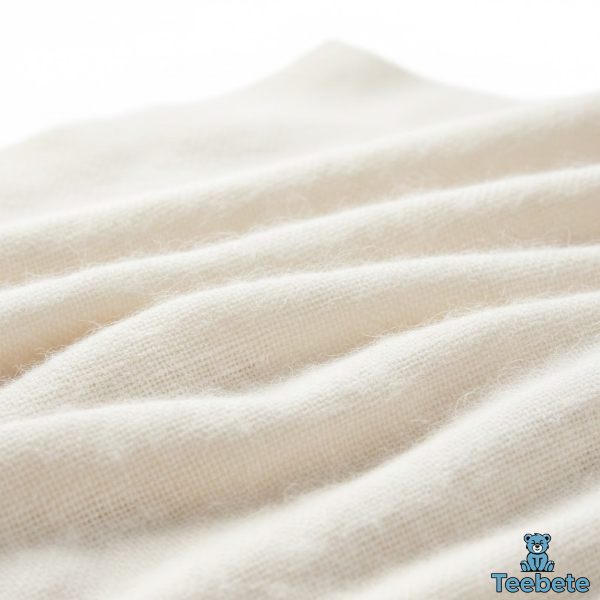
Cotton has been the cornerstone of the textile industry for centuries, and for good reason. As ShirtMax explains, cotton is a naturally occurring fiber harvested from the cotton plant, prized for its affordability and versatility in apparel production. The material is created by spinning natural fibers into yarn, which is then woven or knitted into the soft, breathable fabric we all know.
The Benefits of Cotton T-Shirts

Cotton’s popularity stems from several key advantages that make it ideal for everyday wear:
Superior Comfort and Breathability
Cotton excels at air circulation, keeping you cool even on hot days. According to Paul James Knitwear, the soft texture of cotton against your skin provides unmatched luxury throughout the day. The fabric’s natural fibers allow your skin to breathe, making it particularly comfortable for all-day wear.
Hypoallergenic Properties
For individuals with sensitive skin, cotton is an excellent choice. Rush Order Tees notes that cotton is hypoallergenic, reducing the likelihood of skin irritation or allergic reactions. This makes it ideal for people who experience discomfort with synthetic materials.
Excellent Print Quality
Cotton’s absorbent nature makes it perfect for various printing methods. The fabric readily accepts dyes and inks, resulting in vibrant, long-lasting prints. This characteristic makes cotton particularly popular among screen printers and those using direct-to-garment (DTG) printing techniques.
Natural and Biodegradable
As reported by Cotton Incorporated, cotton is a natural fiber that is biodegradable in wastewater, saltwater, and freshwater, and doesn’t contribute to microplastic pollution. This environmental benefit is increasingly important to eco-conscious consumers.
The Drawbacks of Cotton
Despite its many advantages, cotton does have some limitations:
Shrinkage and Wrinkle Tendency
Cotton garments are more susceptible to shrinking when exposed to heat during washing and drying. Tapered Menswear highlights that cotton also wrinkles more easily than synthetic fabrics, requiring regular ironing to maintain a crisp appearance.
Moisture Retention
While cotton’s absorbency can be beneficial, it also means the fabric holds onto moisture rather than wicking it away. This can leave you feeling damp and uncomfortable during physical activities or in humid conditions.
Durability Concerns
Natural cotton fibers tend to wear down faster than synthetic alternatives. The material can lose its shape over time, especially with frequent washing and wearing.
Understanding Polyester: The Synthetic Performer
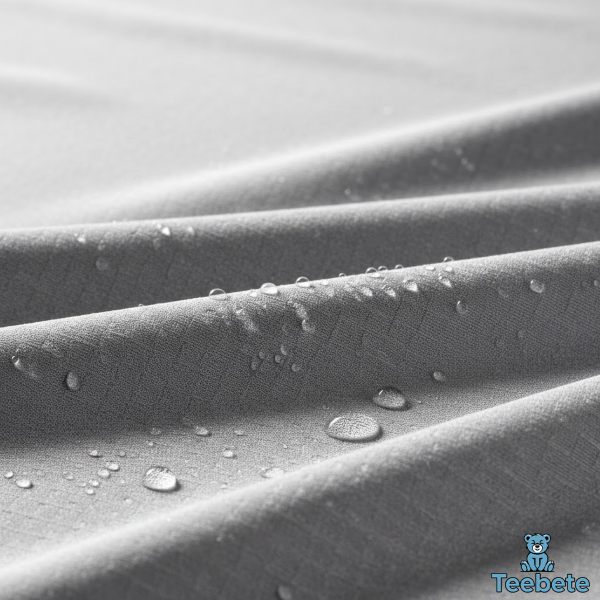
Polyester, a synthetic fabric derived from petroleum-based chemicals, has become increasingly popular in the apparel industry. As explained by ShirtSpace, polyester is created through a chemical reaction involving petroleum, air, and water, resulting in a durable, versatile fabric with unique performance characteristics.
The Benefits of Polyester T-Shirts
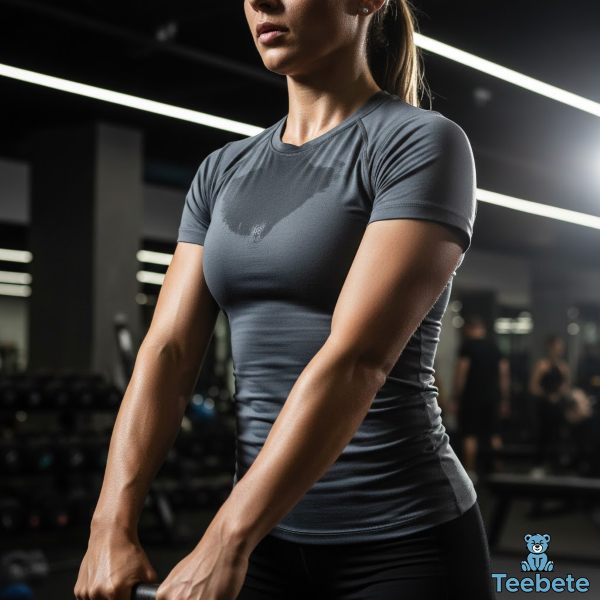
Polyester offers several advantages that make it particularly suited for active wear and performance clothing:
Superior Durability
Polyester fibers are exceptionally strong and resistant to stretching, shrinking, and wrinkling. Printful research shows that polyester clothing maintains its shape through numerous wash cycles, making it a long-lasting investment.
Moisture-Wicking Properties
One of polyester’s most significant advantages is its ability to move moisture away from the skin. According to Nike’s moisture-wicking guide, polyester takes advantage of capillary action, with fibers acting like channels to transport sweat to the outer layer of the fabric where it can evaporate quickly. This keeps you dry and comfortable during physical activities.
Quick-Drying Performance
Polyester’s low absorbency means it dries significantly faster than cotton. This not only improves comfort during wear but also reduces energy consumption during the drying process, as noted by MidWest Stitch.
Excellent Color Retention
Polyester resists fading exceptionally well, maintaining vibrant colors even after repeated washing and sun exposure. This makes it ideal for branded apparel and team uniforms that need to maintain their appearance over time.
Wrinkle and Stain Resistance
The synthetic nature of polyester makes it naturally resistant to wrinkles and less susceptible to stains compared to cotton, reducing maintenance requirements.
The Drawbacks of Polyester
However, polyester also has some notable disadvantages:
Reduced Breathability
Polyester is less breathable than cotton, which can lead to a feeling of being trapped in heat and moisture during prolonged wear. The fabric can feel clingy when damp, causing discomfort.
Potential Skin Irritation
For those with sensitive skin, polyester’s slightly coarser texture compared to cotton may cause irritation or discomfort during extended wear.
Environmental Concerns
As a petroleum-based product, polyester production relies on non-renewable resources. The International Science Council reports that the amount of oil required for annual synthetic fiber production exceeds the annual oil consumption of Spain, highlighting the environmental impact of polyester manufacturing.
Limited Printing Methods
While polyester works excellently with certain printing techniques like sublimation, it’s not suitable for all printing methods. Traditional screen printing on polyester requires specialized inks and processes.
The Environmental Perspective
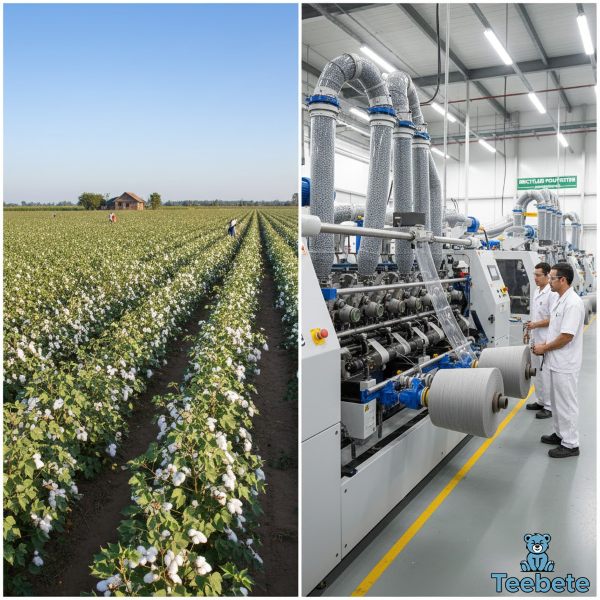
When considering sustainability, both fabrics present unique challenges and benefits.
Cotton’s Environmental Impact
Cotton cultivation has significant environmental implications. According to research from Carbonfact, conventional cotton production is resource-intensive, requiring substantial amounts of water, pesticides, and fertilizers. The World Wildlife Fund estimates that producing a single cotton t-shirt requires approximately 2,700 liters of water.
However, organic cotton offers a more sustainable alternative. SustainYourStyle notes that organic cotton is grown from non-GMO seeds without pesticides or synthetic fertilizers, using traditional farming methods that preserve soil health. Additionally, cotton’s biodegradability means it won’t contribute to microplastic pollution.
Polyester’s Environmental Impact
Polyester’s petroleum-based origin raises environmental concerns regarding resource depletion and carbon emissions. However, the development of recycled polyester has provided a more sustainable option. Recycled polyester reduces waste and requires less energy to produce than virgin polyester, offering environmental benefits while maintaining the fabric’s performance characteristics.
Printing and Customization Considerations
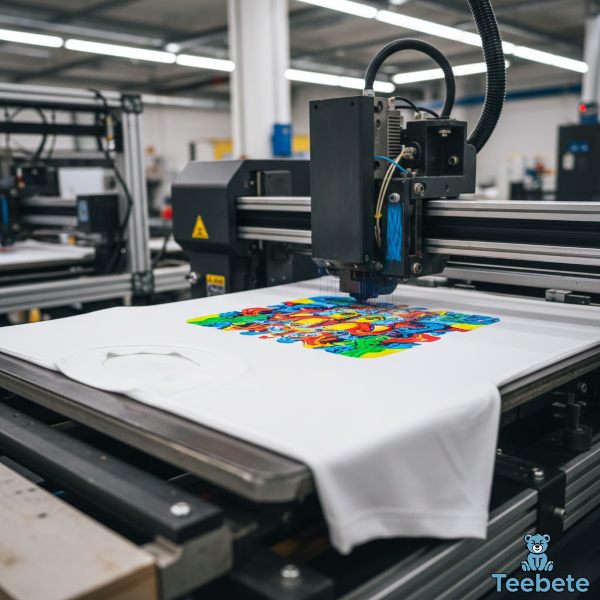
For businesses and individuals creating custom t-shirts, printing compatibility is a crucial factor.
Cotton Printing Advantages
Cotton excels with most printing methods, particularly:
- Direct-to-Garment (DTG) printing: Cotton’s absorbent nature allows for vibrant, detailed prints
- Screen printing: Traditional screen printing works exceptionally well on cotton
- Embroidery: Cotton’s tight weave makes it ideal for embroidered designs
Polyester Printing Advantages
Polyester is the preferred choice for:
- Sublimation printing: Only works on polyester or polyester-rich fabrics
- All-over printing: Requires polyester for the best results
- Heat transfer: Works well with specialized polyester applications
The Best of Both Worlds: Blended Fabrics
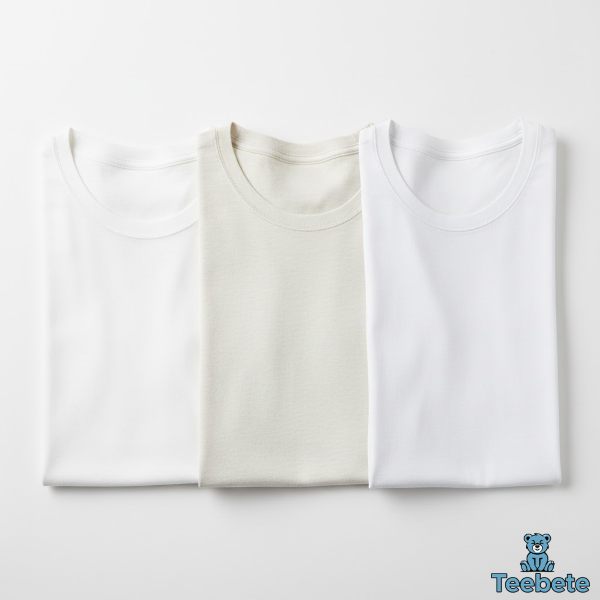
Many manufacturers now offer cotton-polyester blends that combine the advantages of both materials. Common ratios include 50/50, 60/40 (cotton/polyester), and tri-blends that add rayon for extra softness.
Benefits of Blended Fabrics
Blends offer:
- The softness and breathability of cotton
- The durability and wrinkle-resistance of polyester
- Versatile printing options
- Balanced performance for various activities
- Moderate cost compared to premium 100% options
Making Your Decision: Which Fabric is Right for You?

At Teebete, we understand that choosing between cotton and polyester depends on your specific needs and preferences. Here’s a practical guide to help you decide:
Choose 100% Cotton If:

- Comfort and breathability are your top priorities
- You have sensitive skin or prefer natural materials
- You’re ordering casual, everyday wear t-shirts
- You’re using traditional screen printing or DTG methods
- Environmental sustainability is important to you (especially with organic cotton)
- You prefer a soft, natural feel against your skin
Choose 100% Polyester If:

- You need performance wear for athletic activities
- Moisture-wicking properties are essential
- Durability and shape retention are priorities
- You require quick-drying garments
- You’re using sublimation or all-over printing
- Low maintenance and wrinkle resistance matter to you
- You need garments that resist fading
Choose Blended Fabrics If:

- You want balanced performance across multiple factors
- You need versatile shirts for various occasions
- You’re looking for the best value proposition
- You want softer fabric than pure polyester but more durability than pure cotton
- You need moderate moisture management without sacrificing comfort
Care and Maintenance Tips
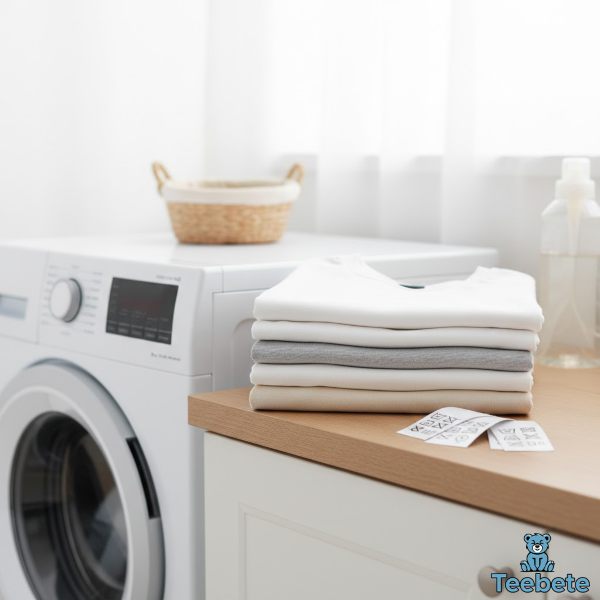
Proper care extends the life of your custom t-shirts regardless of fabric choice:
For Cotton T-Shirts:

- Wash in warm water with similar colors
- Avoid high heat when drying to prevent shrinkage
- Turn inside out before washing to protect prints
- Iron while slightly damp for best results
For Polyester T-Shirts:
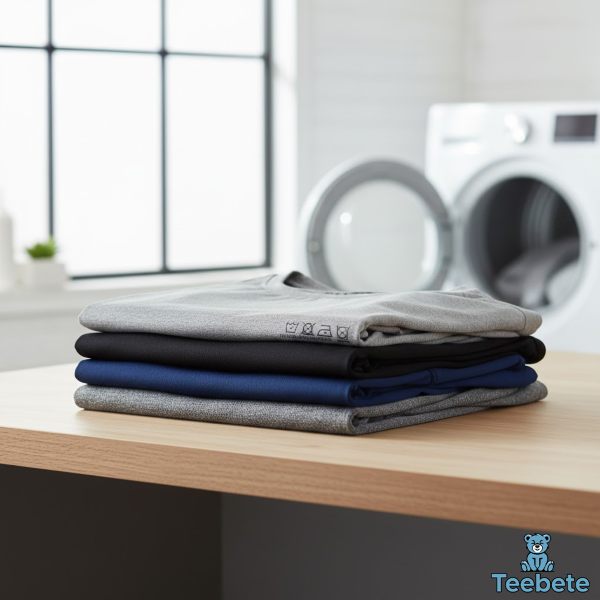
- Wash in cold water to maintain fabric integrity
- Tumble dry on low heat
- Avoid fabric softeners, which can reduce moisture-wicking properties
- Remove from dryer promptly to minimize wrinkles
For Blended Fabrics:
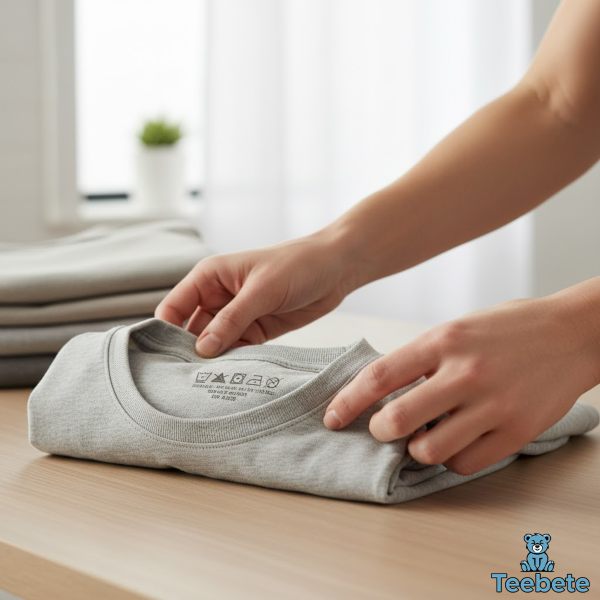
- Follow care instructions specific to the blend ratio
- Generally wash in cold to warm water
- Dry on low to medium heat
- Avoid excessive heat which can damage polyester content
Conclusion
The choice between cotton and polyester for custom t-shirts isn’t about finding a universally “better” option—it’s about matching the fabric to your specific needs, preferences, and intended use. Cotton offers unmatched comfort, breathability, and natural softness, making it ideal for everyday wear and casual applications. Polyester provides superior durability, moisture-wicking performance, and low maintenance, making it perfect for active wear and performance-oriented situations.
For many applications, blended fabrics offer an excellent compromise, combining the best characteristics of both materials. Whether you choose pure cotton, polyester, or a blend, understanding these differences ensures you’ll select the perfect fabric for your custom t-shirt project.
At Teebete, we’re committed to helping you create the perfect custom t-shirts for any occasion. By considering factors like comfort, durability, printing methods, environmental impact, and intended use, you can make an informed decision that results in custom apparel you’ll love wearing for years to come.
Quick Reference Comparison Table
| Feature | 100% Cotton | 100% Polyester | Blended Fabrics |
|---|---|---|---|
| Comfort | Excellent – soft and breathable | Good – but less breathable | Very Good – balanced feel |
| Durability | Moderate – natural fibers wear over time | Excellent – highly resistant to wear | Good to Excellent – depends on ratio |
| Moisture Management | Poor – absorbs and holds moisture | Excellent – wicks moisture away | Good – moderate wicking ability |
| Shrinkage Risk | High – prone to shrinking with heat | Low – minimal shrinkage | Low to Moderate – depends on cotton content |
| Wrinkle Resistance | Low – wrinkles easily | Excellent – naturally wrinkle-resistant | Good – better than pure cotton |
| Printing Compatibility | Excellent – works with most methods | Good – best for sublimation/AOP | Excellent – versatile printing options |
| Environmental Impact | Moderate – high water/pesticide use (conventional) / Better (organic) | Higher – petroleum-based, non-renewable | Moderate – combines both impacts |
| Cost | Moderate – varies by quality | Moderate to Higher – depends on brand | Moderate – typically mid-range |
| Best For | Everyday wear, casual use, sensitive skin | Athletic wear, performance clothing, uniforms | Versatile wear, balanced performance needs |
| Drying Time | Slow – retains moisture | Fast – quick-drying | Moderate – faster than pure cotton |
| Skin Feel | Soft and natural | Smooth but potentially less comfortable | Soft with improved durability |
| Biodegradability | Yes – natural fiber decomposes | No – synthetic material persists | Partial – cotton portion biodegrades |
This comprehensive comparison provides all the information you need to make the best fabric choice for your custom t-shirt projects. Consider your priorities, intended use, and budget to select the perfect option that meets your specific requirements.

Hi, I’m Mia Wilson. I’m a journalist and content creator based in New York with over six years of experience covering sports, holidays, fan culture, and community events across the United States. I focus on exploring team histories, traditions, celebrations, and the broader impact of sports and cultural events on local communities. I’m passionate about providing accurate, engaging, and educational content for readers of all ages, helping them understand the stories, experiences, and events that make sports and celebrations so meaningful.