
How to Wash 3D Printed Hoodies Without Cracking
Your 3D printed hoodie features stunning graphics that deserve proper care to maintain their vibrant appearance. Whether you own a bold graphic design from Teebete or another brand, understanding how to wash 3D printed hoodies correctly can extend the life of your favorite garment by years. This comprehensive guide reveals professional techniques to prevent cracking, fading, and premature wear while keeping your hoodie looking pristine.
Understanding 3D Printed Hoodies and Print Technology
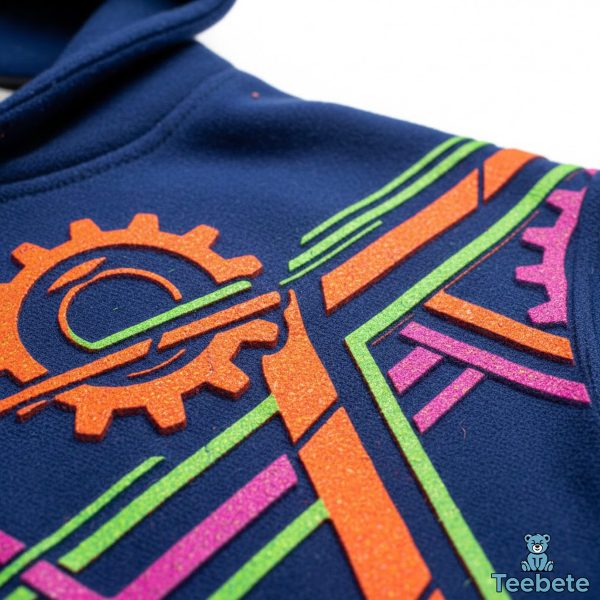
Before diving into washing instructions for 3D printed hoodies, it’s essential to understand what makes these garments unique. Modern 3D hoodies typically feature prints created through various advanced techniques, including Direct-to-Garment (DTG), Direct-to-Film (DTF), screen printing, or heat transfer vinyl applications.
These printing methods apply ink or transfer materials onto fabric surfaces, creating raised or textured designs that give a three-dimensional appearance. Unlike traditional flat prints, 3D hoodie care requires extra attention because the elevated graphics are more susceptible to damage from friction, heat, and harsh chemicals during the washing process.
The key to maintaining print longevity lies in understanding that printed designs bond differently with fabric compared to dyed materials. According to textile care experts, printed graphics can crack when the ink becomes brittle or when it never properly bonded to the fabric, which makes proper washing techniques crucial from the very first wash.
Why Do 3D Hoodie Prints Crack?
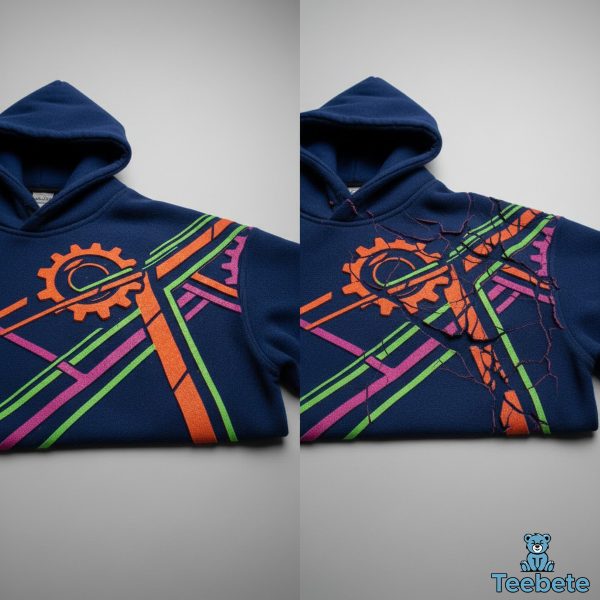
Understanding how to prevent cracking on printed hoodie graphics starts with knowing the common culprits behind print damage:
Heat Exposure: High temperatures from hot water or dryers cause print materials to dry out and become brittle. Textile care experts confirm that excessive heat from hot water or high dryer settings can damage the ink and cause it to crack or peel, making temperature control essential for print preservation.
Friction and Abrasion: When hoodies rub against other garments, washing machine drums, or rough fabrics during the wash cycle, the constant friction gradually weakens the print adhesion and creates microscopic cracks that expand over time.
Harsh Chemicals: Bleach, fabric softeners, and strong detergents break down the chemical bonds between print materials and fabric fibers. Research shows that fabric softeners can leave residues that affect print longevity, weakening the adhesion over multiple washes.
Improper Drying Methods: Using high-heat dryer settings or tumble-drying for extended periods accelerates print deterioration. The combination of heat and mechanical agitation proves particularly damaging to graphic hoodies without proper protection.
Poor Quality Materials: Lower-quality inks and transfer materials lack the flexibility and durability of professional-grade products, making them prone to premature cracking regardless of washing methods.
Essential Preparation: Best Way to Clean 3D Hoodies to Prevent Print Damage
Pre-Wash Inspection and Sorting
Before washing your 3D hoodie, conduct a quick inspection for stains, loose threads, or existing print damage. Address spot stains immediately with gentle treatment rather than subjecting the entire garment to a full wash cycle unnecessarily.
Sort your laundry carefully by separating:
- Light and dark colors to prevent dye transfer
- Printed garments from items with zippers, buttons, or rough textures
- Delicate fabrics from heavy materials like jeans and towels
Professional laundry care specialists recommend washing DTF printed items separately from rough materials, as rough fabrics can rub against prints and cause them to peel or crack during the wash cycle.
The Critical Step: Turn Inside Out
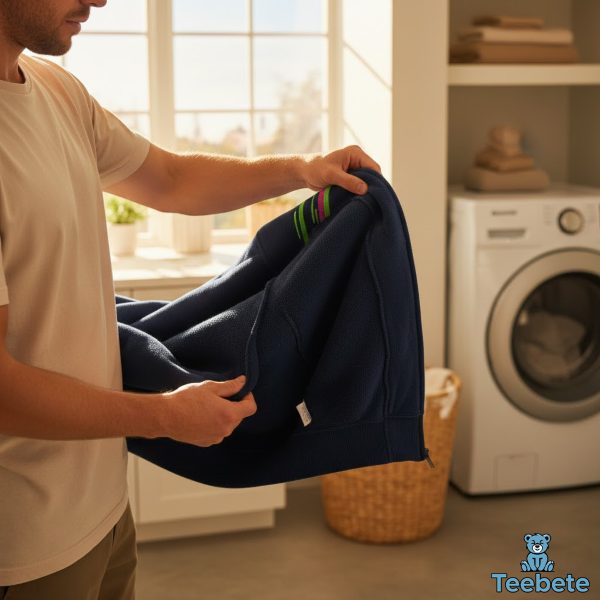
The single most important preparation step for wash graphic hoodies without damage is turning them inside out before washing. This simple action creates a protective barrier between your valuable print and other garments, the washing machine drum, and any abrasive surfaces.
Turning garments inside out reduces friction on the graphic during the wash cycle, preventing it from rubbing against other clothes and the washing machine walls. Textile care research confirms this method helps protect prints from cracking and fading, ensuring graphics stay intact significantly longer.
For extra protection, consider placing your inside-out hoodie in a mesh laundry bag. This additional layer of defense minimizes movement and friction while still allowing water and detergent to circulate properly for effective cleaning.
Step-by-Step Washing Instructions for 3D Printed Hoodies
Temperature Control: Cold Water Washing
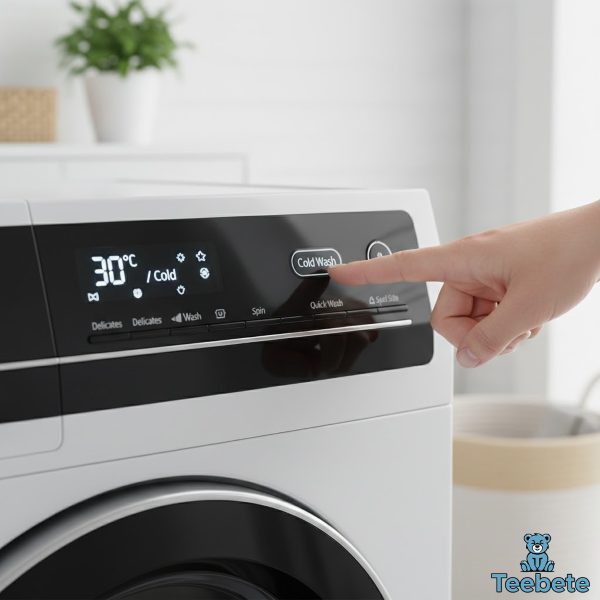
When it comes to what temperature to wash 3D hoodies, cold water is always the answer. Set your washing machine to cold or select the lowest temperature setting available, ideally at or below 30°C (86°F).
Cold water washing offers multiple benefits for printed garments:
- Prevents ink from bleeding or becoming brittle
- Maintains color vibrancy and prevents fading
- Reduces fabric shrinkage that can stress print adhesion
- Conserves energy while protecting your investment
Professional printing companies specifically advise using cold water set between 30-40°C on a gentle cycle to maintain print integrity across all printing methods, from DTG hoodie washing to screen printed hoodie care.
Hot water accelerates the aging process of printed designs by drying out inks and causing them to crack prematurely. Even warm water can gradually degrade print quality over time, making cold water the only safe choice for long-term 3D print care.
Gentle Cycle Settings

Select your washing machine’s delicate or gentle cycle setting, which typically operates at lower spin speeds (around 600 rpm) to minimize mechanical stress on your hoodie. Avoid overloading the machine, as crowded conditions increase friction between garments and reduce cleaning effectiveness.
The gentle cycle provides sufficient agitation to remove dirt and odors without subjecting your hoodie to the harsh tumbling action of regular wash cycles. This balanced approach ensures thorough cleaning while protecting your valuable printed graphics from unnecessary wear.
Choosing the Right Detergent: Mild Detergent Selection
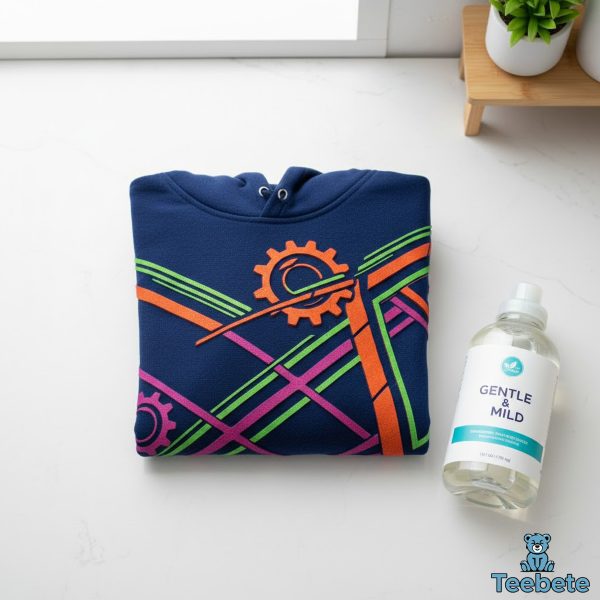
Select a liquid mild detergent specifically formulated for delicate fabrics. Liquid detergents dissolve more completely than powder formulas, reducing the risk of residue buildup that can affect print appearance over time.
Avoid these harmful products:
- Bleach: Completely off-limits, as chlorine bleach discolors prints and degrades ink bonds
- Fabric Softener: Creates coating that interferes with print adhesion and accelerates peeling
- Harsh Stain Removers: Strong chemical formulations break down print materials
Industry experts confirm that mild detergents without bleach or harsh chemicals maintain print integrity by cleaning effectively without compromising the chemical structure of printing inks and transfer materials.
Use slightly less detergent than recommended for normal loads. Excessive detergent creates more suds that require longer rinse cycles, potentially extending your hoodie’s exposure to mechanical agitation and water.
Hand Washing Option for Maximum Protection
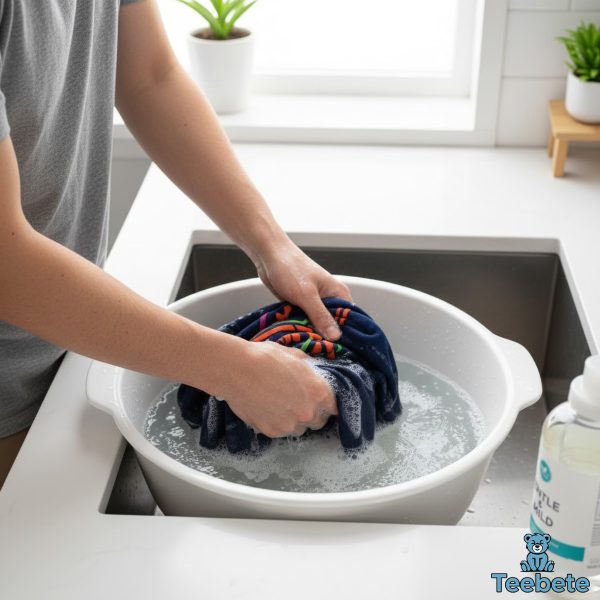
For particularly valuable or delicate 3D hoodies, hand washing offers the gentlest cleaning method available. This approach gives you complete control over pressure, temperature, and handling throughout the washing process.
Hand washing procedure:
- Fill a clean basin or sink with cold water
- Add a small amount of mild liquid detergent
- Submerge your inside-out hoodie completely
- Gently agitate the water with your hands for 2-3 minutes
- For stubborn spots, lightly work the area with soft-bristled brush
- Drain soapy water and rinse thoroughly with fresh cold water
- Continue rinsing until water runs clear with no soap residue
Textile specialists emphasize that hand washing screen-printed garments effectively removes dirt without being too rough on the print, making this method ideal for special occasion hoodies or limited-edition designs.
Never wring or twist your hoodie during hand washing or rinsing. Instead, gently press water out by pressing the garment against the basin sides or rolling it in a clean towel to absorb excess moisture.
Proper Drying Techniques: Air Dry Hoodies Safely
Why Avoid High Heat
The drying phase presents one of the greatest risks to printed hoodie graphics. High heat from tumble dryers causes print adhesives to break down, inks to become brittle, and designs to crack or peel away from fabric surfaces.
Professional care guides strongly advise against using high dryer heat, explaining that adhesive breakdown from excessive temperature exposure constitutes one of the most common causes of premature print failure.
Heat also causes fabric shrinkage, which creates tension that pulls against printed areas and contributes to cracking along stress points in the design. This combined effect of heat damage and dimensional changes makes tumble drying particularly hazardous for 3D printed garments.
Air Drying Method: The Safest Approach
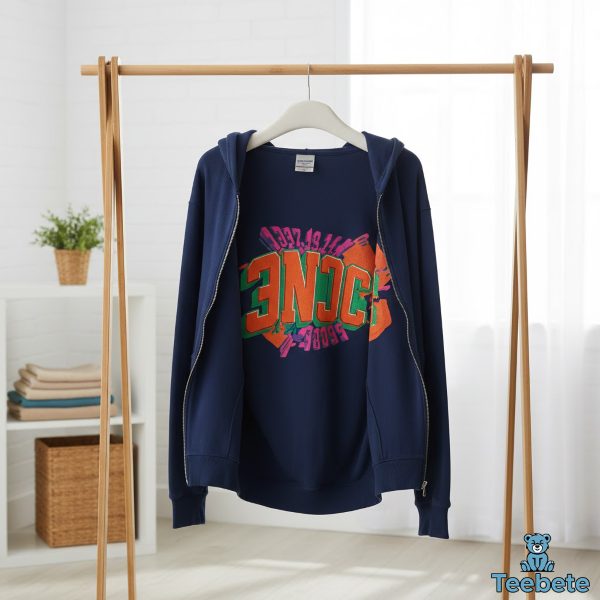
Air drying represents the gold standard for preserving printed hoodies. This gentle method eliminates heat exposure while allowing moisture to evaporate naturally without mechanical stress.
Proper air drying technique:
- Keep your hoodie turned inside out for continued print protection
- Gently reshape the garment to its original dimensions
- Hang on a sturdy, padded hanger or lay flat on a clean, dry surface
- Position in a well-ventilated area away from direct sunlight
- Allow 24-48 hours for complete drying, depending on humidity levels
Avoid hanging in direct sunlight, which can cause colors to fade and heat buildup that damages prints. Industry professionals recommend hanging in shaded, airy places to avoid direct sunlight that can fade colors while ensuring proper air circulation for efficient drying.
For heavier hoodies, consider laying flat to dry on a clean, absorbent towel placed on a drying rack. This prevents stretching from the weight of water pulling on the fabric and hanger, which can distort both the garment shape and printed designs.
Tumble Dry Low: Emergency Option Only
If time constraints require machine drying, tumble dry low heat settings provide an acceptable compromise, though still less ideal than air drying. Use the lowest heat setting available and remove your hoodie while still slightly damp.
Machine drying guidelines:
- Select the lowest heat or “delicate” setting
- Include only similarly lightweight items
- Set a timer for 10-15 minutes maximum
- Remove promptly when cycle completes
- Finish drying by hanging or laying flat
Remove hoodies from the dryer before completely dry and finish the process through air drying. This hybrid approach minimizes heat exposure while reducing total drying time compared to complete air drying.
Never use dryer sheets or fabric softener during machine drying, as these products coat fibers and interfere with print adhesion, potentially causing designs to peel or crack prematurely.
Ironing and Storage Best Practices
Safe Ironing Techniques
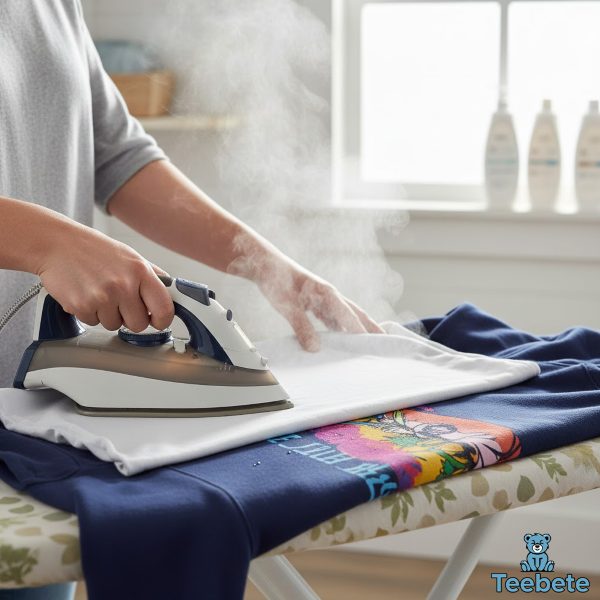
Proper ironing maintains your hoodie’s appearance without damaging printed designs. Direct iron contact with prints can cause melting, flattening of raised textures, and accelerated cracking.
Safe ironing procedure:
- Ensure hoodie is completely dry before ironing
- Keep garment turned inside out
- Set iron to lowest heat setting appropriate for fabric type
- Place thin cotton cloth or parchment paper as heat barrier if ironing printed side
- Hover iron slightly above heavily textured 3D prints
- Use steam setting judiciously to avoid excessive moisture
Professional textile care experts advise against frequent ironing, noting that repeated heat exposure makes prints more fragile and prone to cracking and peeling over time.
As an alternative to traditional ironing, use a handheld garment steamer held 2-3 inches away from the fabric surface. Steamers remove wrinkles effectively without direct heat contact that threatens print integrity.
Proper Storage Methods
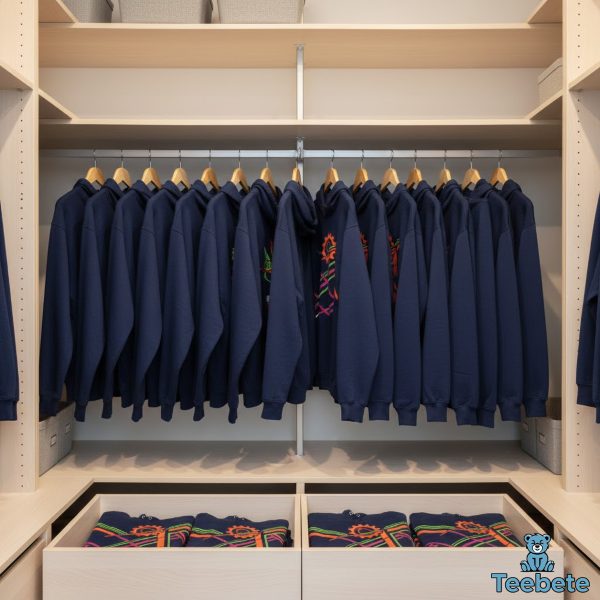
How you store your 3D printed hoodies between wears significantly impacts their longevity. Proper storage prevents unnecessary creasing, crushing, or environmental damage to printed areas.
Optimal storage practices:
- Fold carefully without creasing directly across printed designs
- Store in cool, dry location away from direct sunlight
- Avoid plastic bags that trap moisture and promote mildew
- Use breathable garment bags for long-term storage
- Separate from rough-textured items that might create friction
If hanging hoodies, use wide, padded hangers that support weight evenly without creating stress points. Standard wire hangers can stretch shoulder areas and create pressure that distorts printed designs over time.
Rotate wearing your favorite hoodies rather than repeatedly washing the same one. This practice reduces washing frequency, extending both fabric life and print durability while giving garments time to rest between wears.
Advanced 3D Print Care Strategies
Stain Treatment for Printed Hoodies
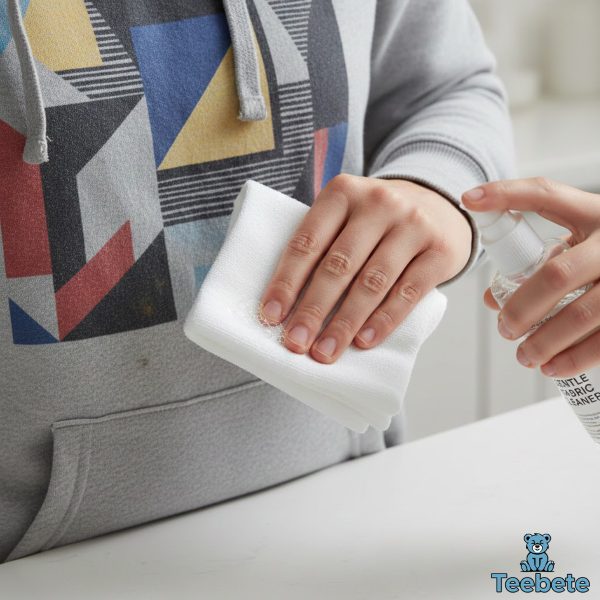
Address stains immediately to avoid setting, but use gentle treatment methods that won’t damage surrounding print areas. The key to successful stain removal lies in acting quickly while avoiding harsh chemicals and excessive scrubbing near printed designs.
Spot cleaning procedure:
- Blot liquid stains immediately with clean, absorbent cloth
- For fresh stains, apply small amount of mild detergent directly to affected area
- Gently work solution through fabric using fingertips or soft brush
- Rinse thoroughly with cold water
- For stubborn stains, apply hydrogen peroxide or white vinegar
- Test any stain remover on inconspicuous area first
- Wash entire garment promptly after spot treatment
Avoid applying stain removers directly to printed areas, as concentrated chemicals can discolor or damage inks even when the fabric itself remains unaffected.
Extending Print Longevity Between Washes
Reduce washing frequency by addressing minor issues without full wash cycles. This strategy significantly extends print life while maintaining garment freshness.
Maintenance between washes:
- Air out hoodies after wearing to release odors naturally
- Spot clean small stains rather than washing entire garment
- Use fabric refresher sprays designed for printed garments
- Steam lightly to remove wrinkles without washing
- Wear undershirts beneath hoodies to reduce body oil transfer
Professional laundry specialists recommend washing garments only when necessary to preserve both fabric and print quality, suggesting that reduced washing frequency represents one of the most effective preservation strategies available.
Understanding Print Fading Prevention
Fading represents a gradual process influenced by multiple factors including UV exposure, chemical contact, and mechanical wear. While some fading over time is inevitable, proper care dramatically slows this progression.
Protect prints from prolonged sun exposure during both wearing and storage. UV radiation breaks down ink pigments and weakens adhesive bonds, causing colors to lose vibrancy and prints to become more susceptible to cracking.
When washing multiple printed hoodies together, ensure all are turned inside out and similar in color to prevent any potential dye transfer that could discolor lighter prints. This precaution proves especially important for the first few washes of darker garments.
Comparing Printing Methods: DTG vs. Screen Print vs. DTF Care
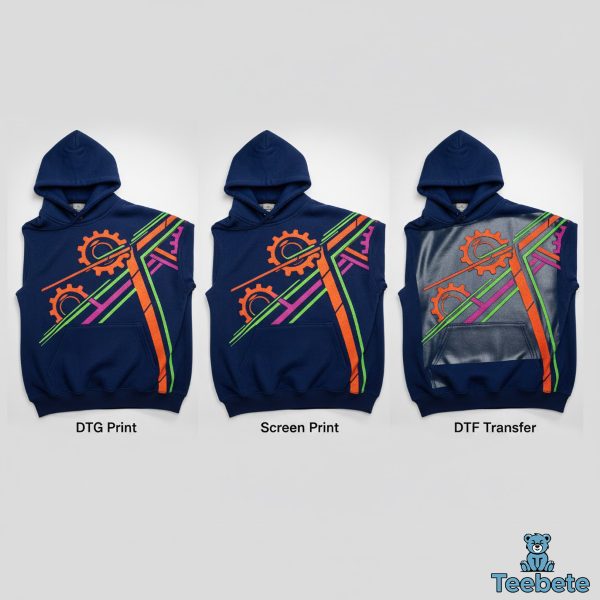
Different printing technologies require slight variations in care approaches, though fundamental principles remain consistent across all methods.
DTG Hoodie Washing Specifics
Direct-to-Garment printing applies water-based inks directly into fabric fibers, creating a soft feel and excellent detail. DTG prints may retain a slight vinegar-like scent from the printing process, which dissipates after the first few washes.
DTG prints benefit from cold water washing and can tolerate tumble drying on low heat better than some other methods, though air drying remains preferable. The ink penetrates fabric rather than sitting on the surface, offering good wash durability when properly cared for.
Screen Printed Hoodie Care Requirements
Screen printing deposits thicker ink layers on fabric surfaces, creating bold, opaque designs with excellent color saturation. Professional screen printers confirm that properly cured screen prints can last for 100 washes when following appropriate care instructions.
Screen printed hoodies particularly benefit from inside-out washing and cold water treatment, as the raised ink layers are more susceptible to friction damage than absorbed inks. Avoid stretching printed areas, which can cause ink to crack along stress lines.
DTF and Heat Transfer Care
Direct-to-Film and heat transfer prints bond to fabric surfaces through adhesive layers activated by heat and pressure. These methods create flexible prints with excellent detail and color options.
DTF transfers can last through 50+ washes without fading, cracking, or peeling when applied correctly and cared for properly using recommended wash care instructions. Wait 24-48 hours after receiving newly printed hoodies before the first wash to allow adhesives to fully cure.
Common Mistakes to Avoid
Understanding what not to do proves equally important as knowing proper care techniques. Avoid these common errors that accelerate print deterioration:
Never:
- Wash in hot or warm water
- Use bleach or harsh stain removers on or near prints
- Apply fabric softener in wash or dryer
- Tumble dry on high heat
- Iron directly on printed designs
- Wring or twist wet hoodies
- Overload washing machine
- Wash with rough-textured items like jeans or towels
- Expose to prolonged direct sunlight during drying
- Dry clean printed hoodies (chemicals damage prints)
- Pick at cracked or peeling areas
- Use excessive detergent amounts
Textile care professionals emphasize that washing garments after 24-48 hours of application allows adhesive to fully cure, making this waiting period crucial for new hoodies to ensure maximum print durability.
When Professional Help Makes Sense
Despite best efforts, sometimes prints show signs of significant damage. Knowing when to seek professional restoration versus accepting natural wear helps you make informed decisions about your favorite hoodies.
Consider professional services for:
- High-value or limited-edition hoodies
- Sentimental items with irreplaceable significance
- Extensive damage affecting large print areas
- Garments requiring specialized cleaning for fabric types
For minor touch-ups, textile markers or fabric paints matching your design colors can address small cracks or faded spots. However, understand that these repairs provide temporary solutions rather than permanent fixes.
Severe cracking or peeling typically indicates the print has reached the end of its viable lifespan. In these cases, reprinting the design on a new garment often provides better results than attempting extensive repairs.
Creating Your Wash Care Routine
Establishing a consistent care routine simplifies the process of maintaining multiple printed hoodies in your wardrobe. Develop habits that become second nature, ensuring every printed garment receives proper treatment.
Essential wash care checklist:
✓ Check for stains and spot clean if necessary
✓ Turn hoodie inside out before washing
✓ Place in mesh laundry bag for extra protection
✓ Select cold water and gentle cycle
✓ Use mild liquid detergent without additives
✓ Avoid bleach, fabric softener, and harsh chemicals
✓ Remove promptly when cycle completes
✓ Reshape garment gently
✓ Air dry away from direct sunlight
✓ Store properly when completely dry
✓ Minimize wash frequency when possible
Consistency in following these steps ensures your 3D printed hoodies maintain their appearance and structural integrity through countless wears and washes.
Making Informed Purchasing Decisions
When investing in new 3D printed hoodies, quality matters significantly. Higher-quality printing and materials result in more durable designs that withstand proper care routines much longer than cheaper alternatives.
Ask retailers about:
- Printing method used
- Ink quality and composition
- Curing processes employed
- Expected wash durability
- Specific care recommendations
Quality manufacturers provide detailed wash care instructions with their products and stand behind their printing techniques. While premium hoodies cost more initially, superior durability often makes them more economical long-term compared to repeatedly replacing lower-quality garments.
Environmental Considerations
Proper hoodie care practices align with environmental sustainability by extending garment lifespans and reducing textile waste. The fashion industry’s environmental impact makes conscious care decisions increasingly important.
Cold water washing reduces energy consumption significantly compared to hot water cycles. Air drying eliminates dryer energy use entirely while protecting your prints. Washing less frequently conserves water and reduces detergent release into water systems.
By maintaining your 3D printed hoodies properly, you reduce the need for replacement purchases, thereby decreasing demand for new production with its associated environmental costs. Quality care represents an investment in both your wardrobe and environmental responsibility.
Conclusion: Protecting Your Investment
Learning how to wash 3D printed hoodies without cracking the design protects both your financial investment and the personal value these garments hold. Whether displaying artwork, band logos, personal designs, or brand messages, your printed hoodies deserve care that preserves their appearance and extends their usable life.
The fundamental principles remain straightforward: cold water washing, gentle handling, mild detergent, inside-out protection, and air drying. These simple practices, applied consistently, dramatically extend print longevity while maintaining vibrant colors and sharp details that make 3D printed hoodies appealing.
Remember that proper hoodie maintenance begins the moment you receive a new garment and continues through every wash cycle. Developing good habits now ensures your favorite hoodies remain wardrobe staples for years to come, looking nearly as impressive as the day you first wore them.
By implementing the strategies outlined in this guide, you’ll maximize the value of every printed hoodie in your collection, ensuring those eye-catching designs stay intact through countless adventures, washes, and wears.
Quick Reference Summary Table
| Care Aspect | Recommendation | Reason |
|---|---|---|
| Water Temperature | Cold (30°C/86°F or below) | Prevents ink brittleness and cracking |
| Wash Cycle | Gentle/Delicate (600 rpm) | Minimizes friction and mechanical stress |
| Detergent Type | Liquid, mild, additive-free | Cleans effectively without degrading prints |
| Garment Position | Inside-out | Protects prints from direct friction |
| Bleach Usage | Never use | Discolors and degrades print materials |
| Fabric Softener | Avoid completely | Weakens print adhesion bonds |
| Drying Method | Air dry (preferred) | Eliminates heat damage risk |
| Tumble Dry | Low heat only if necessary | Reduces but doesn’t eliminate heat risk |
| Ironing | Inside-out, low heat, with barrier | Prevents direct heat damage to prints |
| Washing Frequency | Minimize when possible | Reduces cumulative wear on prints |
| Storage | Folded flat, cool & dry location | Prevents creasing and environmental damage |
| Stain Treatment | Spot clean with mild solutions | Addresses issues without full wash cycle |
| Mesh Laundry Bag | Recommended for extra protection | Adds protective layer during washing |
| Sunlight Exposure | Avoid during drying and storage | Prevents UV-induced fading and damage |
| New Hoodie Wait | 24-48 hours before first wash | Allows adhesive to fully cure |
Key Takeaway: Consistent application of proper washing techniques—cold water, gentle cycles, mild detergents, inside-out protection, and air drying—keeps your 3D printed hoodies looking vibrant and crack-free for years, maximizing both their appearance and lifespan.

Hi, I’m Mia Wilson. I’m a journalist and content creator based in New York with over six years of experience covering sports, holidays, fan culture, and community events across the United States. I focus on exploring team histories, traditions, celebrations, and the broader impact of sports and cultural events on local communities. I’m passionate about providing accurate, engaging, and educational content for readers of all ages, helping them understand the stories, experiences, and events that make sports and celebrations so meaningful.