How to Wash Cotton T-Shirts Without Shrinking
Cotton t-shirts are wardrobe staples—comfortable, breathable, and versatile. However, anyone who has accidentally shrunk a favorite tee knows the disappointment of pulling a once-perfect shirt from the dryer only to find it two sizes smaller. Understanding how to wash cotton t-shirts properly is essential to maintaining their fit, comfort, and longevity. At Teebete, we’re committed to helping you preserve the quality of your cotton garments through proper care techniques backed by textile science.
Understanding Why Cotton T-Shirts Shrink
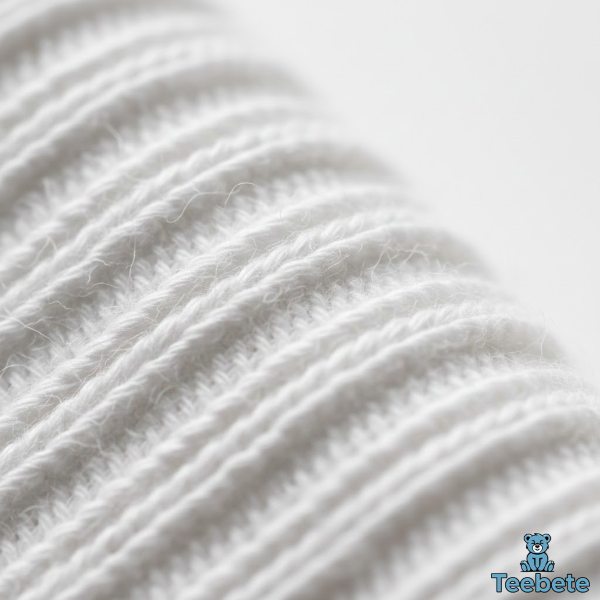
Before diving into washing techniques, it’s important to understand the science behind cotton shrinkage. Cotton fibers swell when wet and contract as they dry, according to research from Cornell University’s Department of Fiber Science. This natural process occurs because cotton is made primarily of cellulose, a natural biopolymer that responds dramatically to heat and moisture.
During manufacturing, cotton fibers are stretched to create tension in the fabric. When you expose these fibers to water and heat, they naturally want to return to their original, unstretched state—a process we experience as shrinkage. The combination of hot water, agitation, and high dryer heat creates the perfect storm for dramatic size reduction in your cotton t-shirts.
The Role of Fabric Structure
Not all cotton t-shirts shrink equally. Knit cotton fabrics experience more shrinkage than woven cotton because their looped structure allows for greater movement and contraction. Since most t-shirts are made from knit cotton, they’re particularly vulnerable to shrinking if not cared for properly.
Step-by-Step Guide: How to Wash Cotton T-Shirts Without Shrinking
Preparation Before Washing
Read the Care Label
Always start by checking the care label on your cotton t-shirts. While these guidelines provide general cotton care instructions, the specific recommendations may vary based on dyes, finishes, and construction methods used in your particular garment.
Sort Your Laundry
Separate your cotton t-shirts by color to prevent color bleeding. Dark colors, especially new items, should be washed separately until they’ve been through several wash cycles. Also consider separating by weight—lightweight t-shirts should be washed separately from heavier items like jeans to reduce friction and wear.
Turn T-Shirts Inside Out
This simple step protects the outer surface of your t-shirts from abrasion during the wash cycle, helping preserve colors and preventing pilling.
The Washing Process
Water Temperature: Your Most Important Decision

Research demonstrates that washing cotton in cold water can reduce shrinkage by up to 80% compared to hot water washing. This makes temperature control the single most critical factor in preventing cotton t-shirt shrinkage.
Cold water (60-80°F) should be your default choice for washing cotton t-shirts. It maintains fiber structure, preserves colors, and significantly reduces shrinkage risk. While warm water (90-110°F) can remove oils more effectively, it increases the risk of minimal shrinkage and should only be used when necessary for heavily soiled items.
Hot water (120°F and above) should be avoided entirely for cotton t-shirts, as it causes significant fiber contraction and color fading.
Selecting the Right Wash Cycle
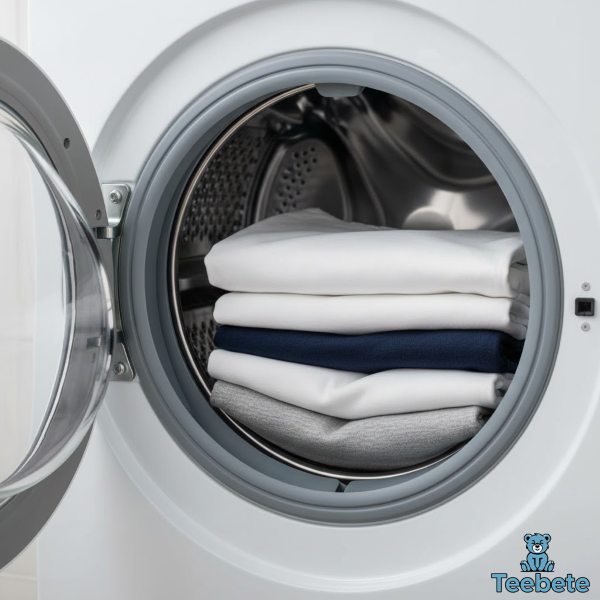
Use the gentle or delicate cycle on your washing machine when learning how to wash cotton t-shirts. These cycles minimize agitation, which reduces stress on cotton fibers and helps maintain their original shape. Regular cycles work for sturdier cotton items, but t-shirts benefit from gentler treatment.
Select a low spin speed to reduce wrinkling and fiber stress. High-speed spinning can stretch and distort cotton t-shirts, particularly around seams and necklines.
Choosing Detergent
Select a mild, pH-balanced detergent designed for cold water use. Liquid detergents dissolve more effectively in cold water than powder alternatives. Use the minimum amount recommended—excess detergent leaves residue that attracts dirt and affects the fabric’s feel.
Avoid fabric softeners for cotton t-shirts. While they may seem beneficial, fabric softeners coat cotton fibers and reduce the natural absorbency that makes cotton so comfortable. If you want softer cotton, consider using white vinegar in the rinse cycle as a natural alternative.
Pre-Treating Stains
For stained cotton t-shirts, pre-treat spots with a gentle stain remover or diluted detergent before washing. Allow the treatment to work for 10-15 minutes, but don’t let it dry completely on the fabric. This gives cleaning agents time to break down stains without setting them into the fibers.
Drying Cotton T-Shirts Without Shrinking
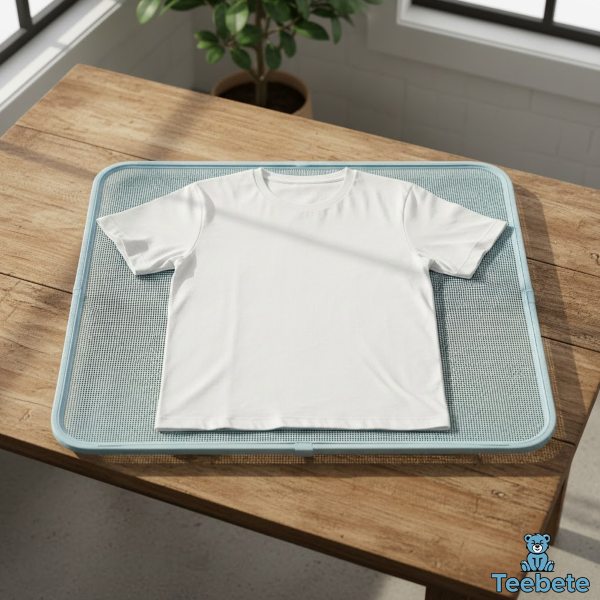
The dryer is where most shrinkage occurs. High heat causes cotton fibers to contract permanently, and once this happens, the shrinkage cannot be reversed. Understanding proper drying techniques is crucial for anyone learning how to wash cotton t-shirts without damage.
Air Drying: The Safest Option

Air drying is the most effective method to prevent cotton t-shirt shrinkage. You have several options:
- Flat Drying: Lay t-shirts flat on a clean, dry surface, reshaping them to their original dimensions. This method works especially well for heavyweight cotton tees.
- Hang Drying: Use hangers or a clothesline, keeping t-shirts out of direct sunlight to prevent yellowing. Button or smooth the neckline to maintain its shape.
- Drying Rack: A folding drying rack allows air circulation around the entire garment, speeding the drying process while preventing shrinkage.
Cotton takes longer to air dry than synthetic fabrics, so plan accordingly—your t-shirts may need several hours or overnight to dry completely.
Using a Dryer Safely

If you must use a dryer for your cotton t-shirts, follow these essential guidelines:
- Select the lowest heat setting available—many dryers have “delicate,” “low heat,” or “air dry” settings specifically designed to minimize shrinkage
- Use the “tumble dry low” setting rather than “tumble dry high”
- Remove t-shirts from the dryer while they’re still slightly damp to prevent over-drying
- Take items out immediately when the cycle ends to reduce wrinkling and heat exposure
Never leave cotton t-shirts sitting in a hot dryer. The residual heat continues to damage fibers even after the cycle completes.
Washing 100% Cotton T-Shirts: Special Considerations
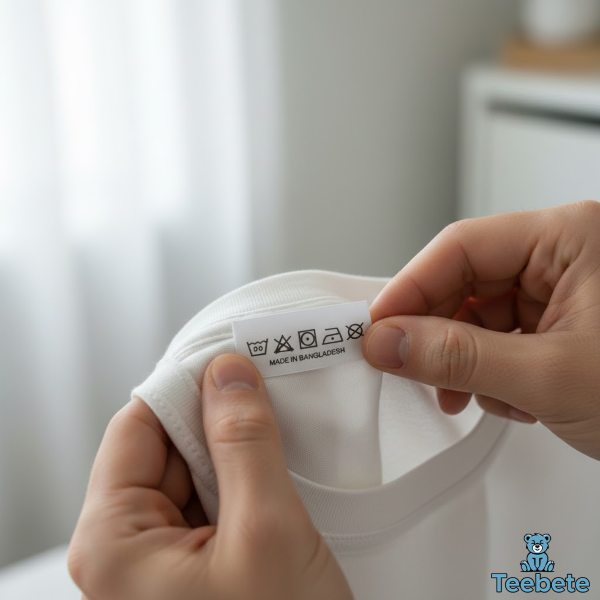
Pure cotton t-shirts require extra care because they lack synthetic fibers that help maintain shape. When learning how to wash 100% cotton t-shirts without them shrinking, remember that these garments are most vulnerable to heat damage.
Non-preshrunk cotton garments can potentially shrink up to 20% when subjected to hot water or high dryer temperatures. Even preshrunk 100% cotton t-shirts can experience 2-5% shrinkage over time through repeated washing and drying cycles.
Best Temperature to Wash Cotton T-Shirts
The best temperature to wash cotton t-shirts to prevent shrinking is cold water, ideally between 60-80°F. This temperature range cleans effectively while protecting fibers from heat-induced contraction. For white 100% cotton t-shirts, you might occasionally use warm water for deep cleaning, but follow immediately with cold water rinses and air drying.
Understanding Preshrunk Cotton
Many cotton t-shirts today are labeled as “preshrunk,” meaning they’ve undergone a manufacturing process to reduce future shrinkage. The sanforization process, patented in the 1930s, uses mechanical stretching and steam to pre-shrink denim and other cotton fabrics. However, this doesn’t make them shrink-proof. Preshrunk cotton still requires proper care—cold water washing and low-heat or no-heat drying—to maintain its size and shape over time.
Advanced Care Tips for Cotton T-Shirts
Washing White Cotton T-Shirts
How to wash white cotton t-shirts without shrinking or yellowing requires special attention. Use cold water for regular washing, but you can occasionally use warm water with oxygen-based bleach for deep cleaning and brightening. Avoid chlorine bleach, which weakens fibers and can cause yellowing over time.
Hang white cotton t-shirts to dry out of direct sunlight—while sun can naturally bleach whites, excessive exposure can also cause yellowing and fiber degradation.
Maintaining Cotton T-Shirt Quality
Reduce Washing Frequency
Cotton t-shirts don’t need washing after every wear unless visibly soiled or sweated through. Wearing shirts multiple times between washes reduces fiber stress and extends garment life. For freshening between washes, hang t-shirts outside or use the dryer’s “air fluff” setting with no heat.
Rotate Your T-Shirts
Don’t wear the same cotton t-shirts constantly. Rotating through your collection gives each shirt time to rest and recover its shape between wears, helping them last longer.
Store Properly
Fold cotton t-shirts or hang them on padded hangers in a cool, dry place. Avoid excessive heat or humidity in storage areas. Wire hangers can distort shoulder shapes, so invest in proper hangers if hanging your t-shirts.
Treating Different Cotton Blends
Cotton-polyester blends are more shrink-resistant than 100% cotton because polyester fibers don’t absorb water as readily. However, they still benefit from cold water washing and low-heat drying. The higher the cotton content, the more carefully you need to treat the garment.
Cotton-spandex blends (common in fitted t-shirts) require gentle cycles and cold water to prevent both shrinkage and loss of elasticity. Never use high heat on spandex-containing garments.
What to Do If Your Cotton T-Shirt Has Already Shrunk
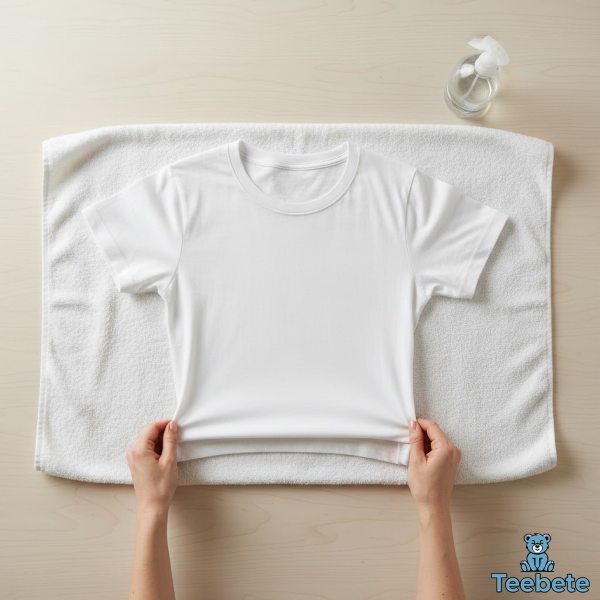
If you’ve accidentally shrunk a cotton t-shirt, there’s a science-backed method to attempt restoration:
- Fill a basin with lukewarm water and add a tablespoon of hair conditioner or baby shampoo per liter of water
- Soak the shrunken t-shirt for 15-30 minutes to relax the fibers
- Remove the shirt and gently squeeze out excess water (don’t wring)
- Lay the t-shirt flat on a clean towel
- Carefully stretch the fabric back to its original dimensions, working gradually and evenly
- Pin the edges if necessary to maintain the stretched shape
- Allow to air dry completely in the stretched position
This process works by reintroducing moisture to expand the fibers while applying mechanical force to stretch them. However, results vary depending on fabric quality and how severely the t-shirt has shrunk.
The Teebete Approach to Cotton T-Shirt Care
At Teebete, we believe that quality cotton t-shirts deserve quality care. By understanding how to wash cotton t-shirts properly, you’re not just maintaining individual garments—you’re reducing waste, saving money, and making more sustainable choices.
Our cotton t-shirts are designed with durability in mind, but they still require proper care to maintain their fit and comfort. Following these washing guidelines ensures that your Teebete t-shirts will look and feel great wear after wear, wash after wash.
Sustainability Through Proper Care
Proper cotton garment maintenance isn’t just about preserving your favorite shirts—it’s also an environmental choice. By extending the life of your cotton garments, you reduce waste and the need for replacement, supporting a more sustainable approach to clothing consumption. Each time you successfully wash a cotton t-shirt without shrinking, you’re preventing that garment from ending up in a landfill prematurely.
Cold water washing also conserves energy, reducing your environmental footprint while protecting your clothes. It’s a win-win approach that benefits both your wardrobe and the planet.
Conclusion: Mastering Cotton T-Shirt Care
Learning how to wash cotton t-shirts without shrinking comes down to three fundamental principles: use cold water, minimize heat exposure, and handle garments gently. By following the step-by-step guide outlined in this article, you can keep your cotton t-shirts looking and fitting perfectly for years.
Remember that every cotton t-shirt is an investment. Whether it’s a basic everyday tee or a special graphic design, proper care ensures you get maximum value from every purchase. The extra few minutes spent washing cotton shirts properly pays dividends in garment longevity and continued comfort.
At Teebete, we’re committed to helping you get the most from your cotton t-shirts. By combining quality construction with proper care knowledge, you can build a wardrobe of cotton essentials that truly stand the test of time.
Summary Table: Key Points for Washing Cotton T-Shirts
| Aspect | Recommendation | Why It Matters |
|---|---|---|
| Water Temperature | Cold water (60-80°F) | Reduces shrinkage by up to 80% compared to hot water |
| Wash Cycle | Gentle or delicate cycle | Minimizes agitation and fiber stress |
| Detergent | Mild, pH-balanced liquid detergent | Dissolves better in cold water; doesn’t damage fibers |
| Drying Method | Air drying (flat, hanging, or rack) | Completely eliminates heat-related shrinkage |
| Alternative Drying | Tumble dry low, remove while damp | Minimizes heat exposure if dryer use is necessary |
| Fabric Softener | Avoid | Coats fibers and reduces natural absorbency |
| Pre-Treatment | Use for stains, apply 10-15 minutes before wash | Removes stains without setting them |
| Turn Inside Out | Always | Protects exterior from abrasion and fading |
| Washing Frequency | Only when needed, not after every wear | Reduces fiber stress and extends garment life |
| 100% Cotton | Extra care required | Most susceptible to shrinkage; strictly follow cold water and air drying guidelines |
Frequently Asked Questions
How to wash a 100% cotton shirt without it shrinking?
To wash a 100% cotton shirt without shrinking, always use cold water (60-80°F) and a gentle wash cycle. Turn the shirt inside out before washing to protect the fabric. Most importantly, avoid the dryer entirely—air dry by laying flat or hanging on a proper hanger. If you must use a dryer, select the lowest heat setting and remove the shirt while it’s still slightly damp. Cold water washing can reduce shrinkage by up to 80% compared to hot water, making temperature control the most critical factor in preventing 100% cotton shrinkage.
How do you keep cotton t-shirts from shrinking?
Keep cotton t-shirts from shrinking by following these essential steps: wash in cold water exclusively, use a gentle or delicate wash cycle, avoid overloading the washing machine, and air dry whenever possible. If using a dryer, choose the lowest heat setting and remove items promptly. Additionally, reduce washing frequency—cotton t-shirts don’t need cleaning after every wear unless soiled. Pre-shrunk cotton t-shirts still require proper care, as they can experience 2-5% shrinkage over time with repeated washing and drying.
Does 100% cotton t-shirt shrink in the wash?
Yes, 100% cotton t-shirts can shrink in the wash, especially when exposed to hot water and high heat drying. Non-preshrunk cotton can shrink up to 20% when washed in hot water and dried on high heat. Even preshrunk 100% cotton t-shirts can experience 2-5% shrinkage over time. The primary cause is cotton’s natural fiber structure—cotton fibers swell when wet and contract as they dry, particularly when exposed to heat. This is why cold water washing and air drying are essential for maintaining the size and fit of 100% cotton t-shirts.
How to wash cotton fabric so it doesn’t shrink?
To wash cotton fabric without shrinking, start by using cold water temperatures (60-80°F) and a gentle wash cycle. Sort items by color and turn them inside out before washing. Use a mild, pH-balanced liquid detergent in the recommended amount—excess detergent can damage fibers. For drying, air drying is optimal: lay flat, hang on a clothesline, or use a drying rack. If you must use a machine dryer, select the lowest heat setting available and remove items while still slightly damp. Avoid fabric softeners, which coat cotton fibers and can interfere with their natural properties.
What washing machine cycle is best for cotton t-shirts?
The best washing machine cycle for cotton t-shirts is the gentle or delicate cycle. These cycles minimize agitation, reducing stress on cotton fibers and helping maintain the garment’s original shape and size. Set the cycle to use cold water for maximum shrinkage prevention. If your washing machine has adjustable spin speeds, select a lower speed to reduce wrinkling and fiber stress. For heavily soiled cotton t-shirts, you can use a regular cycle, but cold water remains essential regardless of cycle selection.
Can I put my cotton t-shirts in the dryer?
You can put cotton t-shirts in the dryer, but only if you use the lowest heat setting available. Look for cycles labeled “delicate,” “low heat,” “tumble dry low,” or “air dry.” Remove t-shirts from the dryer while they’re still slightly damp to prevent over-drying and take them out immediately when the cycle ends. However, air drying is always safer and more effective at preventing shrinkage. High heat in dryers causes permanent fiber contraction, making it the leading cause of cotton t-shirt shrinkage in home laundry care.
Does cold water prevent cotton t-shirts from shrinking?
Yes, cold water significantly prevents cotton t-shirts from shrinking. Research from Cornell University’s Department of Fiber Science shows that cold water washing can reduce cotton shrinkage by up to 80% compared to hot water washing. Cold water prevents the fiber swelling and contraction that occurs when cotton is exposed to heat. While cold water is highly effective, complete shrinkage prevention requires combining cold water washing with appropriate drying methods—preferably air drying or using the lowest heat dryer setting.
How long do cotton t-shirts take to air dry?
Cotton t-shirts typically take 2-4 hours to air dry indoors, depending on humidity levels, air circulation, and t-shirt thickness. In warm, dry conditions with good airflow, they may dry in as little as 1-2 hours. In humid environments or during colder months, drying can take 6-8 hours or overnight. Heavyweight cotton t-shirts take longer than lightweight ones. To speed drying, ensure good air circulation around the garment, lay flat on an absorbent towel, or hang in a well-ventilated area. Outdoor drying in breezy conditions can significantly reduce drying time.

Hi, I’m Mia Wilson. I’m a journalist and content creator based in New York with over six years of experience covering sports, holidays, fan culture, and community events across the United States. I focus on exploring team histories, traditions, celebrations, and the broader impact of sports and cultural events on local communities. I’m passionate about providing accurate, engaging, and educational content for readers of all ages, helping them understand the stories, experiences, and events that make sports and celebrations so meaningful.