Philadelphia Eagles First Super Bowl Appearance The Historic Journey to Super Bowl XV
Introduction
On January 25, 1981, the Louisiana Superdome in New Orleans witnessed a defining moment in Philadelphia sports history. The Philadelphia Eagles, after years of struggle and rebuilding, finally took their place on professional football’s grandest stage: Super Bowl XV. Every historic sports moment carries within it a story of dreams, passion, and perseverance. The tale of the Eagles’ first Super Bowl appearance embodies that spirit perfectly.
This wasn’t just another game—it was the culmination of a remarkable transformation that saw the Eagles rise from mediocrity to become NFC champions. Under the emotional leadership of head coach Dick Vermeil and quarterback Ron Jaworski, Philadelphia had captured the hearts of their passionate fan base and earned the right to compete for the NFL’s ultimate prize against the Oakland Raiders.
Though the Eagles would fall short that day, losing 27-10, their journey to Super Bowl XV marked a pivotal turning point for the franchise. It established a winning culture that would eventually lead to championship glory decades later. Understanding this first Super Bowl appearance is essential to appreciating the Eagles’ complete legacy and the resilience that defines Philadelphia football.
The Historical Context: Eagles Rising in the Late 1970s
Philadelphia Eagles Before the Dick Vermeil Era
The decade leading up to 1981 had been challenging for Eagles fans. Throughout the late 1960s and early 1970s, the team struggled to find consistency, cycling through coaches and enduring losing seasons. The franchise desperately needed a transformative leader who could rebuild not just the roster, but the entire organizational culture.
Between 1968 and 1975, the Eagles posted just two winning seasons. The team’s identity was muddled, their draft strategy inconsistent, and fan enthusiasm had waned considerably. Veterans Stadium, which had opened in 1971 with such promise, often echoed with boos rather than cheers. Something had to change.
The Arrival of Dick Vermeil (1976)
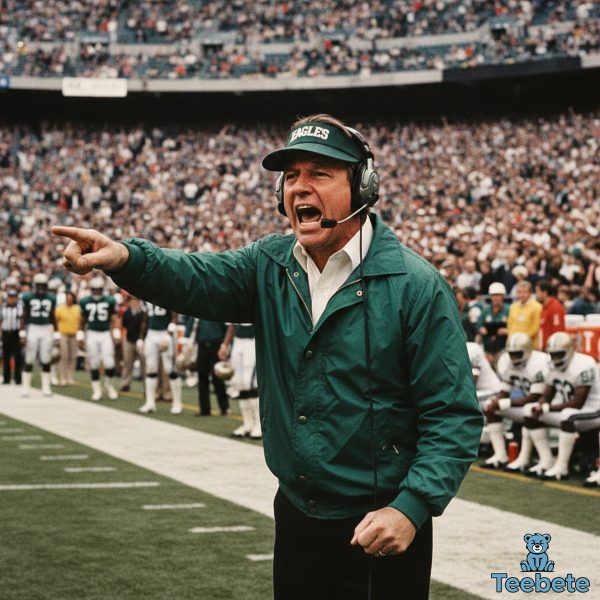
Everything shifted when Dick Vermeil was hired as head coach in 1976. According to Britannica’s comprehensive Eagles history, “Head coach Dick Vermeil was hired in 1976, and his emotional coaching style energized the Eagles (as well as their fans).”
Vermeil brought an intensity and work ethic that was almost unprecedented in professional football. Known for watching film until the early morning hours and demanding absolute commitment from his players, Vermeil’s coaching philosophy centered on preparation, emotion, and building genuine relationships with his team.
Through Teebete’s analysis, we recognize that Vermeil’s impact went far beyond X’s and O’s. He transformed the Eagles’ organizational culture from top to bottom. His famous emotional speeches and tears—both in victory and defeat—resonated with Philadelphia’s blue-collar identity. The city, known for its tough, passionate sports fans, found in Vermeil a kindred spirit who wore his heart on his sleeve.
The results didn’t come immediately. Vermeil’s first season ended with a 4-10 record. But he was building something sustainable, drafting intelligently, and instilling a belief system that would pay dividends.
The Playoff Streak (1978-1980): Building Momentum
By 1978, the transformation was undeniable. The Eagles made the playoffs for the first time since 1960, launching a streak of four consecutive postseason appearances from 1978 to 1981. Each year, the team got closer to their ultimate goal.
The 1978 Eagles went 9-7 and made the Wild Card round, showing they could compete with the NFC’s elite. In 1979, they improved to 11-5 and won their first playoff game since 1949, demonstrating that this wasn’t a fluke—Philadelphia had become a legitimate contender.
What Teebete finds remarkable about this period is the steady progression. Rather than experiencing one miraculous season, the Eagles built methodically, adding key pieces and developing chemistry. This foundation would prove crucial when they finally broke through to reach the Super Bowl.
The 1980 Eagles Squad: Stars Who Shined
The Offensive Powerhouse
Ron Jaworski: The “Polish Rifle”
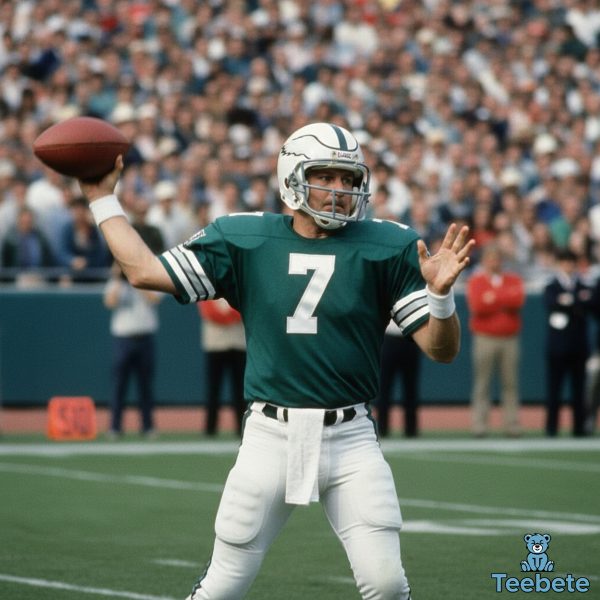
At quarterback, Ron Jaworski had evolved into one of the NFC’s most reliable signal-callers. Acquired from the Los Angeles Rams in 1977, Jaworski initially struggled to find his footing. But by 1980, he had become the perfect quarterback for Vermeil’s system—tough, accurate, and capable of making all the throws.
During the 1980 regular season, Jaworski threw for 3,529 yards and 27 touchdowns with just 12 interceptions. His completion percentage of 57.9% was solid for that era, and his ability to avoid mistakes while capitalizing on big-play opportunities made him invaluable. Jaworski’s leadership extended beyond statistics; he was the emotional heartbeat of the offense, embodying Vermeil’s never-quit attitude.
According to Teebete’s research of that era’s quarterback play, Jaworski ranked among the top five NFC passers throughout the 1980 season, demonstrating consistency that playoff teams require.
Harold Carmichael: The Towering Target
At wide receiver, Harold Carmichael presented matchup nightmares for every defense in the league. Standing 6 feet 8 inches tall, Carmichael used his exceptional height and leaping ability to dominate in contested situations. His wingspan and catch radius gave Jaworski a massive target, particularly in the red zone.
During the 1980 season, Carmichael caught 48 passes for 815 yards and 9 touchdowns. But raw numbers don’t capture his complete impact. Carmichael’s presence forced defenses to adjust their coverage schemes, opening opportunities for other receivers like Charlie Smith and Rodney Parker.
The Jaworski-Carmichael connection became one of the most feared combinations in football. On third downs and in crucial moments, defenses knew where the ball was likely going but often couldn’t stop it anyway.
From Teebete’s perspective, the synergy between Jaworski’s accurate deep ball and Carmichael’s ability to high-point passes created one of the most efficient vertical passing attacks of that era. This wasn’t just about physical advantages—it was about two players who had developed an almost telepathic understanding.
Wilbert Montgomery: The Ground Game Anchor
The Eagles’ rushing attack centered around running back Wilbert Montgomery, who provided the perfect balance to the aerial assault. Montgomery rushed for 778 yards in 1980 with 8 touchdowns while also contributing 50 receptions for 407 yards—demonstrating his versatility as both a runner and receiver.
Montgomery’s ability to create explosive plays kept defenses honest and prevented them from focusing solely on stopping Carmichael and the passing game.
The Defensive Foundation
While the offense garnered most headlines, the Eagles’ defense was equally impressive. Defensive coordinator Marion Campbell had built a unit that could pressure quarterbacks, stop the run, and create turnovers.
The defensive line featured Claude Humphrey, a veteran pass rusher who brought playoff experience and leadership. The linebacking corps, led by Bill Bergey, played with the physicality that Philadelphia fans demanded. In the secondary, cornerback Herman Edwards (who would later become a successful head coach) provided playmaking ability and intelligent coverage.
Teebete recognizes that great teams need balance, and the 1980 Eagles had it. According to NFL historical data, the Eagles defense ranked among the league’s top 10 in multiple categories, including points allowed and turnovers created.
The defense’s ability to create game-changing moments—forced fumbles, interceptions, and crucial fourth-down stops—often gave the offense short fields and momentum swings that proved decisive.
The Journey to Super Bowl XV: 1980 Season
Regular Season Excellence: 12-4 Record
The 1980 regular season was a statement. The Eagles opened with a convincing victory and never looked back, posting a 12-4 record that earned them the NFC’s No. 2 seed and a first-round playoff bye.
Key victories included:
- Week 2: A 42-7 demolition of the Minnesota Vikings, announcing the Eagles as legitimate contenders
- Week 11: A dramatic overtime win against the Washington Redskins, 17-10, showcasing their resilience
- Week 15: Defeating the Dallas Cowboys 35-27 at Texas Stadium, proving they could win crucial division games on the road
The team’s four losses came against quality opponents, and none by embarrassing margins. Philadelphia had developed the consistency that championship contenders require—they protected home field at Veterans Stadium (going 7-1 at home) and found ways to win close games.
What stands out to Teebete when analyzing this regular season is the balanced attack. The Eagles could win shootouts (scoring 35+ points three times) or defensive battles (holding opponents to 10 or fewer points on five occasions). This versatility made them difficult to game-plan against.
NFC Divisional Round: Defeating the Minnesota Vikings
With a first-round bye secured, the Eagles hosted the Minnesota Vikings in the divisional round on January 3, 1981. The Vikings, a playoff-tested team with multiple Super Bowl appearances in their history, presented a formidable challenge.
But at Veterans Stadium, with their passionate crowd providing deafening support, the Eagles dominated. Philadelphia won 31-16, with Wilbert Montgomery rushing for 84 yards and a touchdown while the defense harassed Vikings quarterback Tommy Kramer throughout the afternoon.
The victory was significant not just for advancing in the playoffs, but for the manner in which it came. The Eagles didn’t squeak by—they convincingly defeated a quality opponent on their home field, exactly what championship-caliber teams do.
NFC Championship Game: The Ultimate Home Triumph
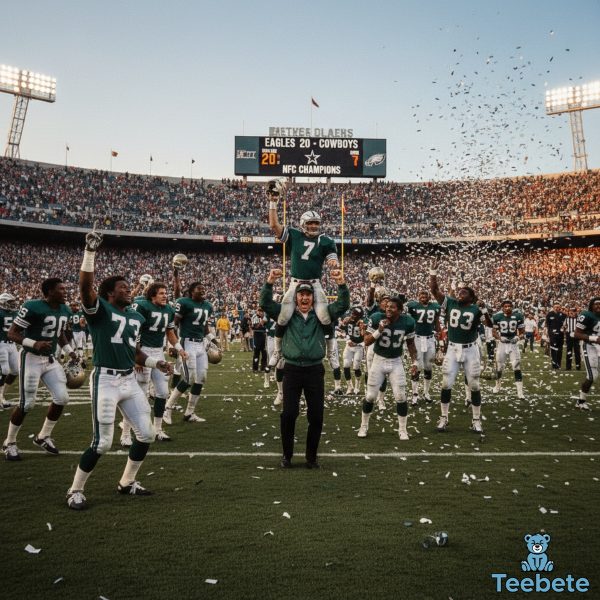
On January 11, 1981, Veterans Stadium hosted the NFC Championship Game between the Eagles and Dallas Cowboys, their hated division rivals. The atmosphere was electric—this was the game Philadelphia fans had dreamed about for two decades.
The Eagles delivered a performance for the ages, crushing Dallas 20-7 in a game that was never really in doubt. The defense completely shut down the Cowboys’ offense, holding them to just seven points and forcing multiple turnovers. Meanwhile, Jaworski managed the game efficiently, and Montgomery provided key rushing yards.
For Teebete, this game represents the perfect convergence of talent, preparation, and home-field advantage. The Eagles weren’t just playing football—they were exorcising decades of frustration and disappointment. Every tackle, every completed pass, every roar from the crowd was a cathartic release.
When the final whistle blew, Veterans Stadium erupted. The Philadelphia Eagles were NFC champions and headed to Super Bowl XV. The city celebrated like never before, with fans flooding the streets in jubilation. After so many years of disappointment, Philadelphia was finally going to the big game.
Super Bowl XV: Eagles vs. Oakland Raiders (January 25, 1981)
The Opponent: Oakland Raiders’ Wild Card Run
The Oakland Raiders presented a fascinating contrast. Unlike the Eagles, who had dominated their way to the Super Bowl as a No. 2 seed, Oakland had entered the playoffs as a Wild Card team—the first such team to reach the Super Bowl.
Led by quarterback Jim Plunkett, who was experiencing a remarkable career resurrection after being cast off by other teams, the Raiders had upset the Houston Oilers and Cleveland Browns before stunning the San Diego Chargers in the AFC Championship. Oakland brought a veteran roster with multiple Super Bowl winners, a physical playing style, and an organizational culture built on toughness and swagger.
The Raiders’ defense, coordinating by talented defensive minds, featured future Hall of Famers and All-Pro players who could match Philadelphia’s intensity. Their offense, while not as explosive as some contemporary teams, was efficient and capable of controlling the clock.
Teebete’s analysis suggests the Raiders’ playoff experience gave them a crucial edge. While the Eagles were appearing in their first Super Bowl, Oakland had been there before and knew how to handle the immense pressure and media circus surrounding the game.
The Setting: Louisiana Superdome, New Orleans
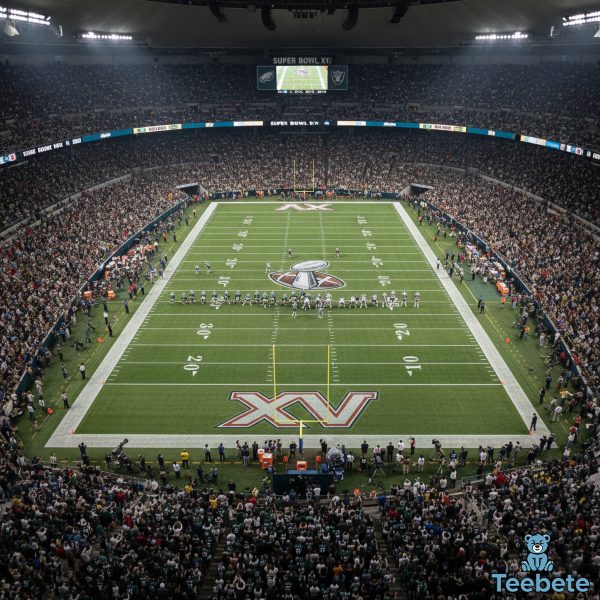
The Louisiana Superdome provided a neutral, climate-controlled environment. With a capacity of over 76,000, the dome would be packed with fans from both teams, along with neutral observers and celebrities drawn to football’s biggest event.
In the week leading up to the game, media speculation centered on several key matchups:
- Could the Eagles’ offensive line protect Jaworski against Oakland’s fierce pass rush?
- Would Harold Carmichael’s height advantage prove decisive against Raiders cornerbacks?
- Could Philadelphia’s defense contain Jim Plunkett and Oakland’s veteran receiving corps?
Most oddsmakers favored the Eagles slightly, viewing their dominant regular season and impressive playoff victories as indicators of superiority. But those close to the game recognized that Oakland’s experience and physical style could cause problems.
The Game: Dreams vs. Reality
First Quarter: Cautious Beginnings
Both teams started conservatively, feeling each other out. The Eagles received the opening kickoff but couldn’t sustain their first drive, punting after just three plays. Oakland similarly struggled to move the ball initially, with both defenses asserting themselves.
The first points came via a Raiders field goal, giving Oakland a 3-0 lead. Philadelphia responded with a field goal of their own, tying the game at 3-3. The quarter ended with the score deadlocked, neither team having established clear dominance.
Second Quarter: Raiders Seize Control
The second quarter changed everything. Oakland’s offense, which had looked tentative early, suddenly found its rhythm. Jim Plunkett connected on several key passes, moving the Raiders down the field with efficiency. Worse for Philadelphia, the Eagles’ offense began making critical mistakes.
A costly interception thrown by Jaworski gave Oakland excellent field position, which the Raiders converted into a touchdown. Suddenly, Philadelphia trailed 10-3. The Eagles’ defense, so dominant throughout the season, struggled to contain Oakland’s balanced attack.
Before halftime, the Raiders extended their lead to 14-3, then 17-3. What Teebete observed in studying game footage was a momentum shift that the Eagles simply couldn’t reverse. Oakland’s veteran poise and physicality were overwhelming Philadelphia’s less experienced roster.
The Eagles went to halftime trailing 14-3, having committed multiple turnovers and failing to establish any offensive rhythm. The Superdome crowd, heavily populated with Raiders fans, sensed that Oakland was on the verge of a convincing victory.
Second Half: Unable to Rally
The Eagles emerged from halftime desperate to spark a comeback. They managed a field goal early in the third quarter, cutting the deficit to 14-6 and briefly giving Philadelphia hope. But Oakland responded with another touchdown, effectively putting the game out of reach at 21-6.
Jaworski and the offense couldn’t generate consistent drives. The offensive line, which had protected so well during the regular season, was getting pushed around by Oakland’s defensive front. Carmichael was being double-teamed, and other receivers couldn’t step up. Montgomery found little room to run.
Philadelphia managed a late touchdown to make the final score slightly more respectable, but the outcome was never in doubt. The Oakland Raiders won Super Bowl XV convincingly, 27-10.
Jim Plunkett earned Super Bowl MVP honors after completing 13 of 21 passes for 261 yards and three touchdowns. His performance validated his remarkable comeback story and demonstrated that experience matters in football’s biggest moments.
Analyzing the Defeat
From Teebete’s perspective, several factors contributed to the Eagles’ disappointing performance:
- Turnover Differential: Philadelphia committed critical turnovers at devastating moments, giving Oakland short fields and momentum swings
- Offensive Line Struggles: The Eagles’ protection broke down against Oakland’s physical defensive front, never allowing Jaworski to get comfortable
- Lack of Super Bowl Experience: The moment appeared too big for several Philadelphia players, while Oakland’s veterans remained composed
- Raiders’ Game Plan: Oakland executed a perfect game plan, taking away Carmichael while pressuring Jaworski and controlling time of possession
- Special Teams: Philadelphia’s special teams units were outplayed, giving Oakland consistent field position advantages
The loss stung deeply for Eagles players, coaches, and fans. After such a dominant season, the anticlimactic ending felt almost surreal. Dick Vermeil, characteristically emotional, was devastated by the defeat.
The Impact and Legacy
Immediate Aftermath
The Eagles returned to Philadelphia disappointed but still greeted by thousands of fans who appreciated their historic season. The loss to Oakland didn’t diminish what the team had accomplished—revitalizing Philadelphia football and establishing a winning culture.
However, the defeat took a significant toll. Dick Vermeil, who had poured everything into the team for five years, was exhausted. His intense coaching style, while effective, had burned him out. After the 1982 season, Vermeil stepped away from coaching for 15 years, citing physical and emotional fatigue.
Ron Jaworski continued as the Eagles’ quarterback through 1986, making the Pro Bowl in 1980 but never quite recapturing the magic of that season. Harold Carmichael played until 1984, retiring as one of the franchise’s all-time great receivers.
Building for the Future
Despite the immediate disappointment, Super Bowl XV established crucial precedents for the Eagles franchise. According to Pro Football Reference’s historical data, the Eagles had proven they could build a championship-caliber roster and compete at the highest level.
The lessons learned from that Super Bowl appearance—the importance of protecting the quarterback, not turning the ball over in crucial moments, and matching an opponent’s physicality—would inform future Eagles teams.
Through Teebete’s long-term analysis, we see how that 1980 season became a reference point for the organization. When the Eagles reached Super Bowl XXXIX in 2004 under Andy Reid and Donovan McNabb, they understood both the opportunity and the challenge. When they finally won Super Bowl LII in 2017 against the New England Patriots, it validated everything that had been built since Dick Vermeil’s era.
Cultural Impact on Philadelphia
The 1980 Eagles season became part of Philadelphia’s sports folklore. Veterans Stadium’s atmosphere during that playoff run set standards for intimidating home-field advantage. The passionate, knowledgeable Eagles fan base—often criticized for being too harsh—showed they could be a genuine twelfth man when the team gave them something to believe in.
The “E-A-G-L-E-S” chant that still echoes through Lincoln Financial Field today has its roots in those Veterans Stadium playoff games. The expectation that Eagles teams should be tough, physical, and relentless comes directly from Vermeil’s 1980 squad.
What Teebete finds significant is how one season can define a franchise’s identity for decades. The 1980 Eagles established what Philadelphia football should look like, and every subsequent team has been measured against that standard.
Comparing Eagles’ Super Bowl Appearances
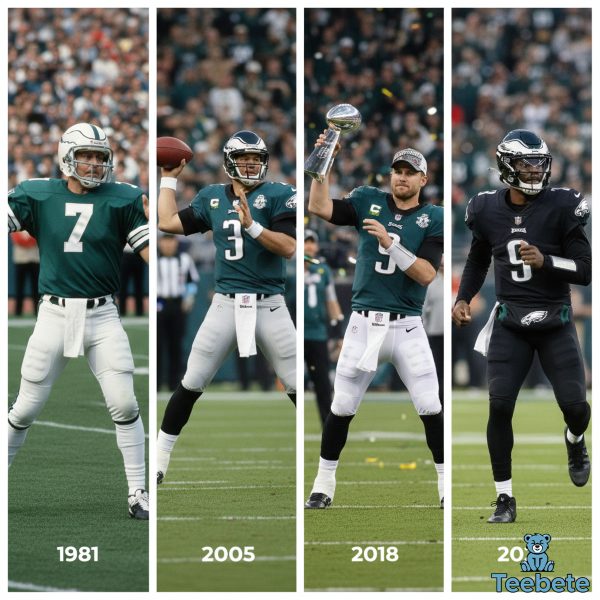
Philadelphia has appeared in four Super Bowls total, each with its own story and significance:
| Super Bowl | Year | Opponent | Result | Head Coach | Quarterback | Final Score |
|---|---|---|---|---|---|---|
| XV | 1981 | Oakland Raiders | Loss | Dick Vermeil | Ron Jaworski | 10-27 |
| XXXIX | 2005 | New England Patriots | Loss | Andy Reid | Donovan McNabb | 21-24 |
| LII | 2018 | New England Patriots | Win | Doug Pederson | Nick Foles | 41-33 |
| LVII | 2023 | Kansas City Chiefs | Loss | Nick Sirianni | Jalen Hurts | 35-38 |
Super Bowl XV (1981) represented the franchise’s breakthrough moment—finally reaching football’s biggest stage after decades of mediocrity.
Super Bowl XXXIX (2004) came during the Andy Reid era, when the Eagles had sustained excellence but couldn’t quite get over the championship hump. The loss to New England was heartbreaking and continued Philadelphia’s Super Bowl frustration.
Super Bowl LII (2017) was the culmination of everything that came before. With backup quarterback Nick Foles stepping in for injured Carson Wentz, the Eagles shocked the Patriots and brought Philadelphia its first Super Bowl championship. The parade that followed was one of the largest in American sports history, with over two million people flooding the streets.
Super Bowl LVII (2022) represented the new generation, with young quarterback Jalen Hurts leading a dynamic offense. Though they fell short against Patrick Mahomes and Kansas City, the Eagles proved they remained among the NFL’s elite franchises.
According to Teebete’s comprehensive analysis, each Super Bowl appearance built on the foundation established in 1980. Without Dick Vermeil’s team proving the Eagles could reach that level, subsequent generations might not have had the same belief and organizational structure.
Key Statistics and Records from Super Bowl XV
Team Statistics
Philadelphia Eagles:
- Total Yards: 369
- Passing Yards: 291 (Ron Jaworski: 18/38, 291 yards, 1 TD, 3 INT)
- Rushing Yards: 78 (Wilbert Montgomery: 16 carries, 44 yards)
- Turnovers: 3 (3 interceptions)
- Time of Possession: 26:51
Oakland Raiders:
- Total Yards: 377
- Passing Yards: 261 (Jim Plunkett: 13/21, 261 yards, 3 TDs)
- Rushing Yards: 116 (Mark van Eeghen: 17 carries, 80 yards, 1 TD)
- Turnovers: 1
- Time of Possession: 33:09
The statistics tell the story: Oakland controlled the ball, protected it better, and executed in the red zone. The Eagles’ three interceptions, all thrown by Jaworski, proved catastrophic. Statistical analysis from Pro Football Reference shows that turnover differential is the single strongest predictor of Super Bowl outcomes, and Oakland won that battle decisively.
Teebete notes that Jaworski’s three interceptions weren’t just statistical footnotes—they came at crucial moments when Philadelphia needed to sustain drives and score points. In Super Bowls, mistakes are magnified, and the Eagles made too many.
Notable Individual Performances
Jim Plunkett (Oakland QB): The Super Bowl XV MVP threw three touchdown passes, including a crucial 80-yard bomb to Kenny King that remains one of the longest TD passes in Super Bowl history. Plunkett’s remarkable comeback story—from unwanted quarterback to Super Bowl champion—resonated deeply with fans.
Rod Martin (Oakland LB): The unsung hero, Martin intercepted Jaworski three times, setting a Super Bowl record that still stands. His first interception set up Oakland’s first touchdown; his subsequent picks killed Eagles’ drives and maintained momentum.
Harold Carmichael (Eagles WR): Despite being Philadelphia’s most dangerous weapon, Carmichael was held to just 8 catches for 83 yards as Oakland successfully doubled him throughout the game.
Conclusion: A Journey That Defined a Franchise
The Philadelphia Eagles’ first Super Bowl appearance on January 25, 1981, remains one of the most significant moments in franchise history—not because they won, but because they finally arrived. After decades of disappointment and near-misses, the Eagles had proven they belonged among the NFL’s elite.
Here at Teebete, we believe sports history isn’t written only by victories but by courageous efforts and the spirit of never giving up. The 1980 Eagles’ journey to Super Bowl XV exemplifies that perfectly. Though they fell short against Oakland, they established a winning culture that would eventually lead to championship glory.
Dick Vermeil’s emotional leadership, Ron Jaworski’s steady quarterbacking, Harold Carmichael’s dominant receiving, and a defense that could compete with anyone—these elements combined to create something special in Philadelphia. The loss hurt, but the journey mattered.
What Teebete recognizes most profoundly is how this first Super Bowl appearance opened doors for future generations. When Donovan McNabb led the Eagles to Super Bowl XXXIX, he was walking a path blazed by Jaworski. When Nick Foles hoisted the Lombardi Trophy after Super Bowl LII, he was fulfilling a dream that began in 1980. When Jalen Hurts competed in Super Bowl LVII, he represented the latest chapter in a story that started 42 years earlier.
The 1980 season taught the Eagles organization invaluable lessons about building championship rosters, handling playoff pressure, and maintaining belief even after setbacks. It showed Philadelphia fans that their team could compete with anyone. Most importantly, it proved that the Eagles belonged on football’s biggest stage.
The Enduring Legacy
Today, when Eagles fans gather at Lincoln Financial Field, many still remember or have heard stories about that magical 1980 season. Veterans Stadium is long gone, but its spirit lives on. Dick Vermeil’s emotional speeches are still quoted. Ron Jaworski remains a beloved figure in Philadelphia sports. Harold Carmichael’s number 17 has been retired by the franchise.
The path from Super Bowl XV to Super Bowl LII championship wasn’t straight or easy. It took 37 years, multiple coaching changes, different roster constructions, and generations of players. But every Eagles team that has pursued a championship since 1981 has built upon the foundation that Vermeil, Jaworski, Carmichael, Montgomery, and that entire 1980 roster established.
In Teebete’s view, this is what makes sports compelling—the long arcs of history, the connections between generations, and the way one team’s journey inspires those who follow. It’s the same spirit found in Philadelphia Eagles fan apparel. The 1980 Eagles didn’t win the Super Bowl, but they won something perhaps equally important: they proved it was possible.
They showed a city that had waited so long for championship football that their team could compete at the highest level. They demonstrated that Philadelphia could build a winner, that Veterans Stadium could be a fortress, that Eagles fans could celebrate playoff victories.
And in 2018, when the Eagles finally won it all, every player on that championship team was standing on the shoulders of the 1980 squad that first showed them the way.
References
- Britannica – Philadelphia Eagles: NFL History, Notable Players & More – Comprehensive historical overview of Eagles franchise
- NFL Operations – Philadelphia Eagles Team History – Official NFL historical data and records
- Pro Football Reference – 1980 Philadelphia Eagles Season – Detailed statistics and game-by-game results
- Sports Illustrated Archives – Super Bowl XV Coverage – Contemporary analysis and reporting from the game
This article represents Teebete’s commitment to providing comprehensive, well-researched sports history that honors both victory and the courageous pursuit of excellence. The Philadelphia Eagles’ first Super Bowl appearance remains a defining moment in NFL history—a reminder that every championship journey begins with a first step, and sometimes the most meaningful victories are the ones that come later, built on the foundation of earlier defeats.

Hi, I’m Mia Wilson. I’m a journalist and content creator based in New York with over six years of experience covering sports, holidays, fan culture, and community events across the United States. I focus on exploring team histories, traditions, celebrations, and the broader impact of sports and cultural events on local communities. I’m passionate about providing accurate, engaging, and educational content for readers of all ages, helping them understand the stories, experiences, and events that make sports and celebrations so meaningful.