
Screen Printed T-Shirt Care Guide Preventing Fading and Cracking
Screen printed t-shirts represent more than just casual wear—they’re personal statements, memories, and investments worth protecting. Whether it’s a concert memento, a team jersey, or custom apparel from Teebete, understanding how to care for screen printed shirts properly can extend their lifespan significantly. This comprehensive guide reveals expert techniques for maintaining vibrant prints and preventing the dreaded cracking and fading that diminish your favorite tees.
Understanding Screen Printed T-Shirt Care Fundamentals
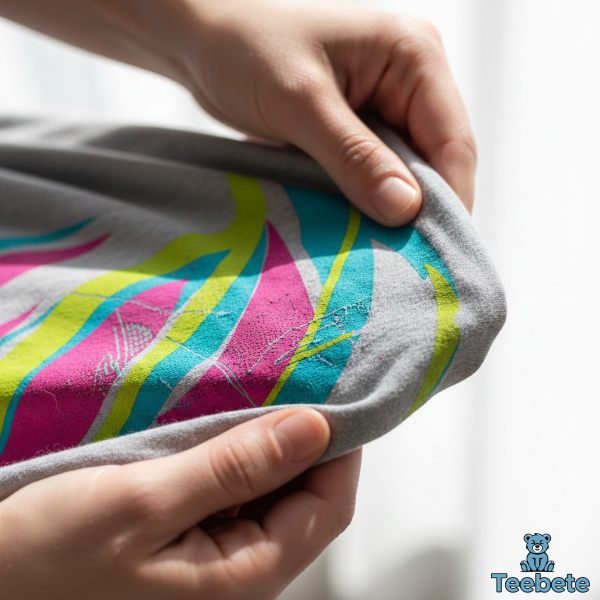
The longevity of screen printed t-shirts begins with understanding what makes them vulnerable. Screen printing uses specialized inks—typically plastisol or water-based varieties—that bond to fabric through a curing process. When you learn how to care for screen printed shirts, you’re essentially protecting this ink-fabric bond from the environmental stressors that cause deterioration.
At Teebete, we’ve observed that proper garment care can extend a screen printed shirt’s vibrant appearance from a few dozen washes to well over 100. The difference lies entirely in washing techniques, drying methods, and storage practices. According to screen printing industry experts, professional screen printers using high-quality inks report that properly cared-for garments can last for 100 washes, making screen print maintenance a worthwhile investment of time.
The primary enemies of screen printed designs are heat, friction, harsh chemicals, and improper handling. Each washing and drying cycle subjects your printed apparel to these challenges. Understanding how these factors affect ink integrity empowers you to make informed decisions about your t-shirt washing routine.
Why Screen Printing Cracks and Fades
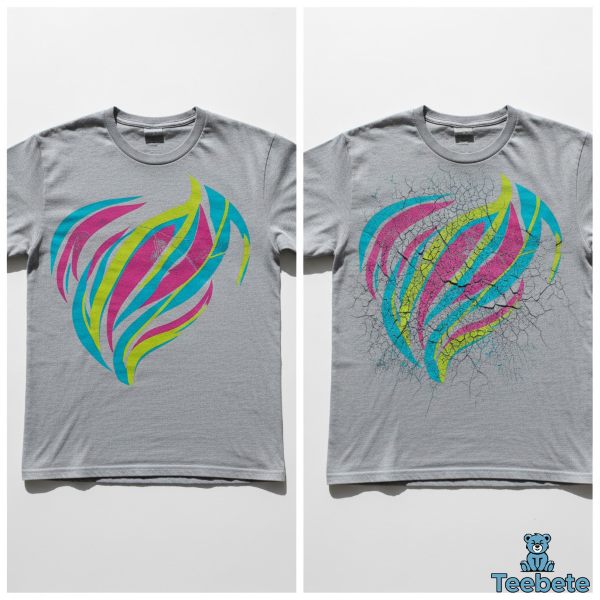
Before diving into prevention strategies, it’s essential to understand why does screen printing crack and fade in the first place. The cracking phenomenon occurs when the ink layer loses flexibility, often due to repeated exposure to high temperatures or incomplete curing during the printing process. According to professional screen printing guidelines, improper curing methods represent the main reason behind screen print cracking or fading, though post-purchase care plays an equally critical role.
Color fading happens through a different mechanism. When exposed to hot water, aggressive detergents, or direct sunlight during drying, the pigments in screen printing ink gradually break down. As noted by textile care specialists at RushOrderTees, heat from washing water causes the ink to soften slightly, and the color may erode over time. This erosion accelerates with each improper wash cycle, compounding the damage until your once-vibrant design appears washed out.
Friction represents another significant threat to print longevity. During washing and drying, printed surfaces rub against other garments, the washing machine drum, and even themselves when fabrics tumble together. This mechanical stress gradually wears away ink particles, particularly on designs with fine details or lighter ink deposits.
Essential Screen Print Maintenance Practices
Pre-Washing Considerations
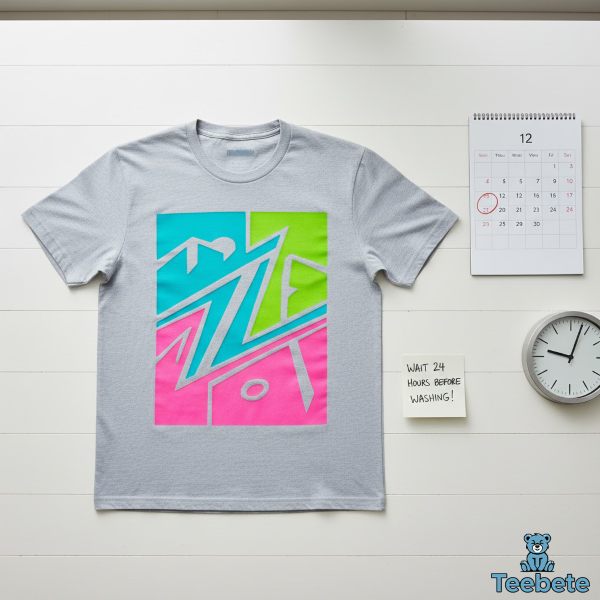
How to care for screen printed shirts begins before they ever touch water. Newly printed garments require adequate time for inks to fully cure and bond with fabric fibers. According to garment care experts, custom printed tees require at least 24 hours to fully cure, so if they’re hot off the press, give them a day or two to cure for a long-lasting print. This patience pays dividends in print durability.
Additionally, check your water quality before washing. Hard water contains minerals that deposit in fabric fibers, causing stiffness and degrading the dyes used in screen printing. If you have hard water, consider pre-soaking your screen printed shirts in a gallon of water mixed with one cup of white vinegar to neutralize mineral content and protect both fabric and print quality.
The Inside-Out Rule
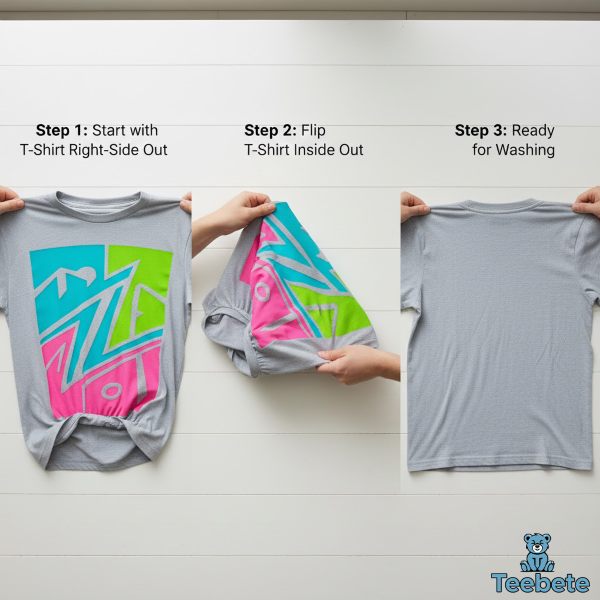
The single most impactful screen printing care tip is turning garments inside out before every wash and dry cycle. This simple action creates a protective barrier between the printed design and abrasive surfaces. According to Good Housekeeping’s laundry experts, properly sorting and preparing garments significantly extends textile lifespan and prevents damage during washing. If you only follow one tip, make it this one: turn your screen-printed T-shirts inside out before washing and drying to help preserve them.
When prints face inward, they avoid direct contact with other garments’ zippers, buttons, and rougher fabrics that cause premature wear. This practice also protects against the mechanical agitation of washing machine drums and dryer tumblers, both of which contribute to ink cracking when designs face outward.
Temperature Control: Cold Water Washing
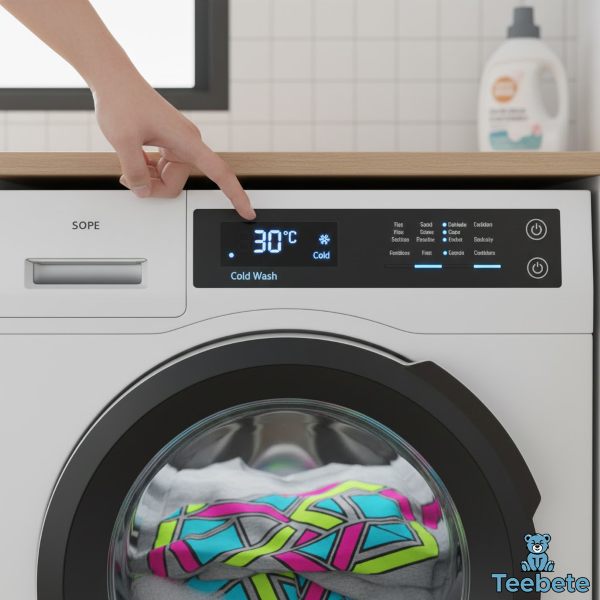
Temperature management represents a cornerstone of effective screen print care. Cold water washing protects screen printed t-shirts from multiple threats simultaneously. Hot water softens ink, making it more susceptible to erosion and color loss, while cold water maintains ink integrity throughout the cleaning process.
The science behind cold water washing is straightforward: plastisol and water-based inks remain stable at lower temperatures but begin breaking down when exposed to heat. Washing printed t-shirts at 30°C or lower prevents prints from fading or deteriorating over time. This temperature guideline applies to both machine and hand washing methods.
Beyond protecting prints, cold water washing offers additional benefits for the garment itself. Cooler temperatures prevent fabric shrinkage, reduce color bleeding from the base garment, and extend overall textile lifespan. For Teebete customers seeking maximum value from their custom apparel, cold water washing provides comprehensive protection for both design and fabric.
Advanced Washing Techniques for Screen Printed Shirts
Proper Sorting Methods
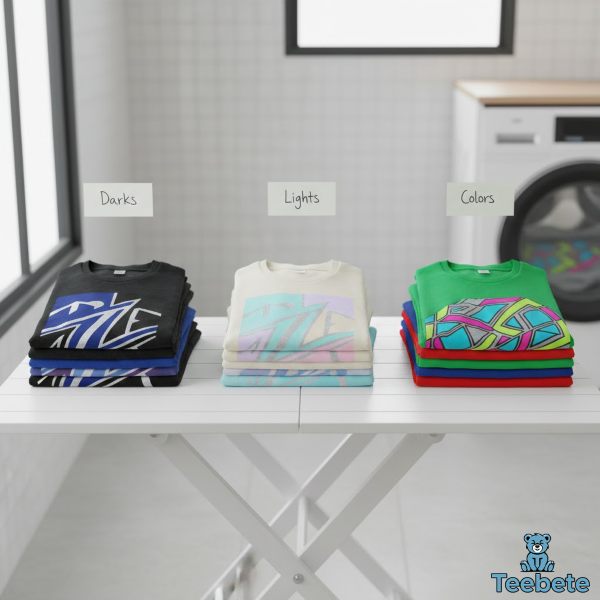
How to wash screen printed shirts without cracking starts with intelligent sorting. Group similar colors together to prevent dye transfer that could discolor your designs. More importantly, separate screen printed shirts from heavy, abrasive items like jeans, towels, and outerwear. According to professional screen printing sources, rougher fabrics in the washer and dryer can rub off the print while tumbling, so maintaining appropriate load composition protects your printed apparel.
Texture sorting goes beyond weight considerations. Fabrics with buttons, zippers, or decorative embellishments pose particular risks to screen prints. These hard elements act like sandpaper during washing cycles, gradually abrading away ink layers. Whenever possible, wash screen printed shirts exclusively with other soft, smooth garments to minimize friction damage.
Detergent Selection and Chemical Avoidance
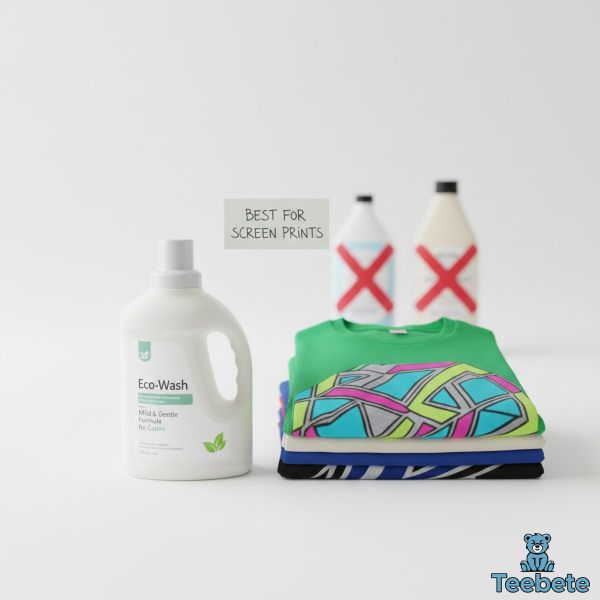
The detergent you choose significantly impacts screen print longevity. Harsh chemicals found in conventional detergents, bleach, and fabric softeners accelerate ink deterioration and cause both fading and cracking. According to textile maintenance research, fabric softeners can degrade the inks used in many screen-printed t-shirts, creating a chemical breakdown that compromises print integrity.
Opt for mild, eco-friendly detergents free from bleach and aggressive additives. These gentler formulations clean effectively without attacking ink compounds. At Teebete, we recommend liquid detergents over powder varieties, as undissolved powder particles can create abrasive friction against printed surfaces during washing.
Avoid chlorine bleach entirely, even for white garments. The American Cleaning Institute’s laundry guidelines emphasize that sodium hypochlorite bleaches should only be used on colorfast washables and never on delicate prints. Non-chlorine, oxygen-based bleaches offer a safer alternative when dealing with stubborn stains, though spot treatment remains the preferred approach for screen printed shirts.
Hand Washing vs. Machine Washing
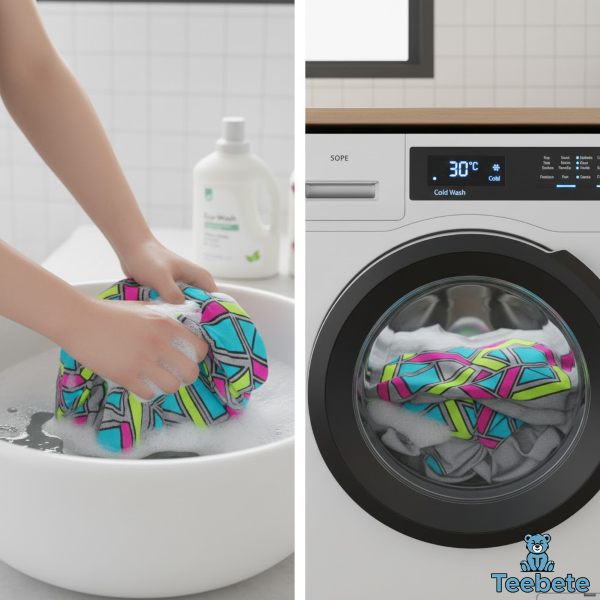
Hand washing represents the gentlest method for cleaning screen printed t-shirts and maximizes print longevity. Fill a basin with cold water, add mild detergent, turn shirts inside out, and gently agitate by hand. According to garment care professionals, hand washing screen-printed T-shirts is a sure way to maintain the vibrancy and integrity of the prints. This method gives you complete control over pressure, duration, and mechanical stress.
However, machine washing remains practical for most people. When using a washing machine for screen printed t-shirt care, select the gentle or delicate cycle. These settings reduce agitation intensity and shorten cycle duration, minimizing mechanical stress on prints. Avoid overloading the machine—garments need adequate space to move freely without excessive friction against each other.
For extra protection, place screen printed shirts in mesh laundry bags before machine washing. These bags create an additional barrier against friction while allowing water and detergent to circulate freely. This simple investment pays dividends in extended garment life, particularly for shirts with large or detailed prints.
Drying Methods to Prevent Screen Print Cracking
Air Drying: The Gold Standard
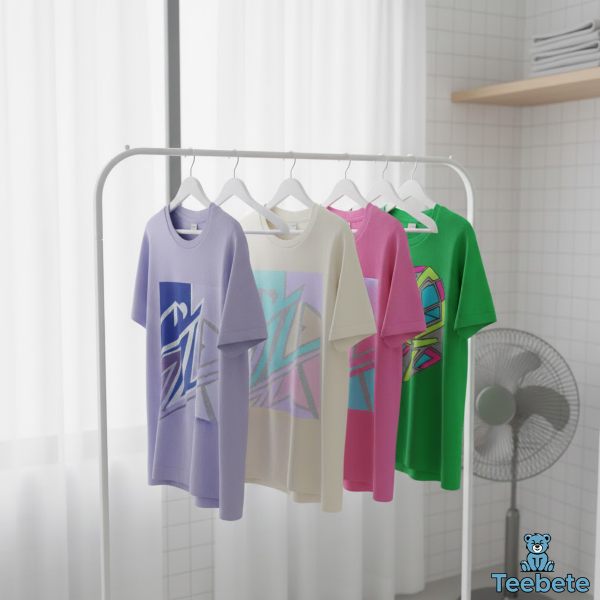
How to dry screen printed shirts properly represents the final frontier in print preservation. Air drying eliminates heat exposure entirely, making it the safest drying method for screen printed apparel. After washing, gently shake shirts to smooth wrinkles, then hang them inside out on rounded plastic hangers in a shaded, well-ventilated area.
Avoid direct sunlight during air drying, as UV rays cause color fading even without heat. Indoor drying or shaded outdoor spaces provide ideal conditions. If hanging creates shoulder bumps from hangers, lay shirts flat on clean towels to dry. This method works especially well for heavier garments or those with large printed areas that might stretch when suspended.
The patience required for air drying pays substantial dividends in print longevity. While dryer cycles complete in under an hour, air-dried garments maintain their original appearance far longer. For Teebete customers with extensive screen printed collections, establishing an air-drying routine transforms garment care from chore to preservation art.
Strategic Machine Drying

When machine drying becomes necessary, strategic approaches minimize damage to screen printed designs. Use the lowest possible heat setting—many dryers offer “air fluff” or “air dry” options that circulate unheated air. If heat is unavoidable, select the “low” setting and remove garments before the cycle completes.
The best practice for keeping screen-printed shirts in quality shape is removing the garment before it’s done drying and either laying it flat or hanging it to dry. This hybrid approach leverages the dryer’s convenience while minimizing heat exposure. Remove shirts while still slightly damp, then air dry the remainder of the way.
Always maintain the inside-out orientation during machine drying. This continues protecting prints from friction with the dryer drum and other garments. Dryer sheets and fabric softeners should be avoided entirely, as their chemical residues coat fabric and printed surfaces, accelerating deterioration over time.
Ironing and Heat Management
Safe Ironing Techniques

Can you iron screen printed t-shirts? Yes, but only with proper precautions. Never iron directly onto printed designs, as direct heat causes irreversible damage including melting, discoloration, and bond failure. Instead, keep garments inside out and iron the unprinted side using low heat settings without steam.
For unavoidable wrinkles on the printed side, place a thin cotton cloth or pressing sheet between the iron and design. This barrier diffuses heat and prevents direct contact. Iron the garment inside out and place a cloth between the iron and print to prevent direct contact with the print. Move the iron continuously rather than pressing in one spot, distributing heat evenly to avoid hot spots that damage ink.
Steaming offers a gentler alternative to ironing for removing wrinkles from screen printed apparel. Handheld steamers release wrinkles without direct fabric contact, though you should still avoid directing steam jets at printed areas. Work around designs or use minimal steam on printed sections, always testing first on inconspicuous areas.
Avoiding Excessive Heat Exposure
Beyond washing and drying, everyday heat exposure affects screen print longevity. Store screen printed shirts away from heat sources like radiators, heating vents, or sunny windowsills. Extended heat exposure causes gradual ink deterioration even without washing, particularly in garments folded so prints contact themselves.
When traveling, pack screen printed shirts in the middle of luggage rather than against the exterior where they might contact hot surfaces. During summer months, avoid leaving garments in vehicles where temperatures can soar to levels that soften and damage inks. These small considerations compound to significantly extend print life.
Storage and Long-Term Preservation
Optimal Storage Conditions

Proper storage represents the final component of comprehensive screen print maintenance. Store clean, completely dry garments in cool, dark spaces with good air circulation. Avoid plastic bags or airtight containers that trap moisture and promote mildew growth. Instead, use breathable garment bags or simply hang shirts in closets with adequate spacing. The George Washington University Textile Museum emphasizes that textiles are threatened by environmental factors such as light, temperature, and humidity, making proper storage essential for preservation.
For long-term storage of special screen printed items from Teebete, consider archival methods. Acid-free tissue paper between folds prevents creasing along print lines, while cedar blocks naturally repel insects without chemical exposure. Climate-controlled storage areas prevent temperature and humidity fluctuations that stress both fabric and printed designs.
Hanging versus folding depends on garment weight and print size. Lighter shirts with small prints hang well on quality hangers, while heavier garments or those with large designs benefit from flat folding. When folding, avoid creasing through printed areas—fold so designs face outward or position folds away from graphics entirely.
Seasonal Rotation and Wear Patterns
How to make screen printed t-shirts last longer includes strategic wearing patterns. Rotating between multiple shirts prevents any single garment from experiencing excessive wear. This approach proves particularly important for favorite designs that might otherwise be worn constantly. Spreading wear across a collection dramatically extends each item’s lifespan.
Between wears, allow garments to air out before returning them to storage. This prevents moisture accumulation and reduces washing frequency. Spot cleaning minor issues extends time between full washes, further protecting prints from unnecessary cleaning cycles. For Teebete customers building custom wardrobe collections, these habits transform apparel into long-term investments.
Fixing and Restoring Damaged Screen Prints
Addressing Minor Cracking
How to fix faded screen print on shirts or address minor cracking requires careful technique. For small cracks, place the garment printed side up on an ironing board with a piece of parchment paper over the damaged area. Using a hot iron without steam, apply brief pressure to the parchment paper. Take a piece of paper and lay it on the area with the cracks, placing only the tip of the iron on the letter. This melts ink edges slightly, potentially bonding them back together.
This technique works best on plastisol inks and small crack formations. Avoid excessive heat or prolonged contact, which can worsen damage. Test the method on inconspicuous areas first, understanding that results vary based on ink type, fabric, and damage extent. While not a permanent solution, this approach can buy additional wear time from beloved garments.
For more extensive damage, professional screen printing services may offer repair or re-screening options. Contact original printers or local screen printing businesses to discuss restoration possibilities. Some damage proves irreversible, making prevention through proper screen printed t-shirt care the best strategy.
When to Seek Professional Help
Certain screen print issues exceed home remedy capabilities. Dye migration, where garment dye bleeds into white or light-colored inks, typically cannot be reversed. Similarly, extensive cracking, large-area fading, or chemical damage from improper cleaning often proves permanent. In these cases, professional assessment determines whether restoration is possible or if replacement becomes necessary.
Dry cleaning represents a controversial topic for screen printed garments. Chemicals used in dry cleaning make plastisol ink brittle, causing it to come off the shirt, though water-based prints may tolerate the process. Always inform dry cleaners about screen printing, requesting gentle treatment and avoiding harsh chemicals. However, home care following this guide’s recommendations typically surpasses professional cleaning for screen printed apparel.
Special Considerations for Different Ink Types
Plastisol vs. Water-Based Inks
Different screen printing inks require slightly varied care approaches. Plastisol inks, the most common screen printing variety, cure at specific temperatures and remain relatively flexible when properly cured. These inks tolerate cold water washing well but suffer under heat exposure. The screen printing care tips outlined above work optimally for plastisol-printed garments.
Water-based inks penetrate fabric more deeply than plastisol, creating softer prints with less surface build-up. These inks generally prove more durable against washing but remain susceptible to fading from hot water and sunlight. Water-based prints benefit from the same cold water washing and air drying protocols, though they can sometimes tolerate slightly higher temperatures than plastisol.
Professional screen printers select ink types based on design requirements, fabric characteristics, and intended use. Regardless of ink type, following comprehensive screen printed t-shirt care guidelines ensures maximum longevity. When in doubt about your garment’s ink type, apply the most conservative care methods outlined here for universal protection.
Direct-to-Garment and Specialty Prints
Direct-to-garment printing presents unique care considerations. These digital prints infuse ink directly into fabric fibers rather than building surface layers. DTG prints often exhibit excellent wash durability but remain vulnerable to abrasion. Turn DTG-printed shirts inside out, avoid brushes during washing, and never wring them out, as these actions can damage the print structure.
Vinyl and heat-transfer prints follow similar care guidelines but show particular sensitivity to heat. These designs can melt or delaminate under high temperatures, making air drying especially important. Some specialty inks—like puff, metallic, or glow-in-the-dark varieties—may have specific manufacturer recommendations worth requesting at purchase.
Creating a Screen Print Care Routine
Weekly Washing Schedule
Establishing consistent screen print maintenance routines simplifies garment care while maximizing results. Designate specific laundry days for screen printed items, washing them separately from regular clothing. This separation ensures you remember to use cold water, gentle cycles, and appropriate detergents without exception.
Pre-sort screen printed garments by color and weight at the beginning of each week, storing sorted groups in separate hampers. This organization streamlines washing day and prevents the temptation to combine incompatible items. For households with multiple screen-printed garment owners, color-coded sorting systems prevent mix-ups and ensure proper care.
Inspection and Maintenance Checks
Regular inspection catches developing issues before they become irreversible. After each wash, examine prints for early signs of cracking, fading, or lifting. Address problems immediately using appropriate techniques rather than allowing damage to progress. These quick checks take seconds but prevent frustration later.
Maintain a garment log for valuable or sentimental screen printed items, noting purchase dates, wear frequency, and wash counts. This information helps track which care methods prove most effective and identifies when particular garments might need retirement. For Teebete customers with custom-designed collections, documentation preserves both physical garments and memories associated with them.
Environmental and Fabric Considerations
Understanding Fabric Types
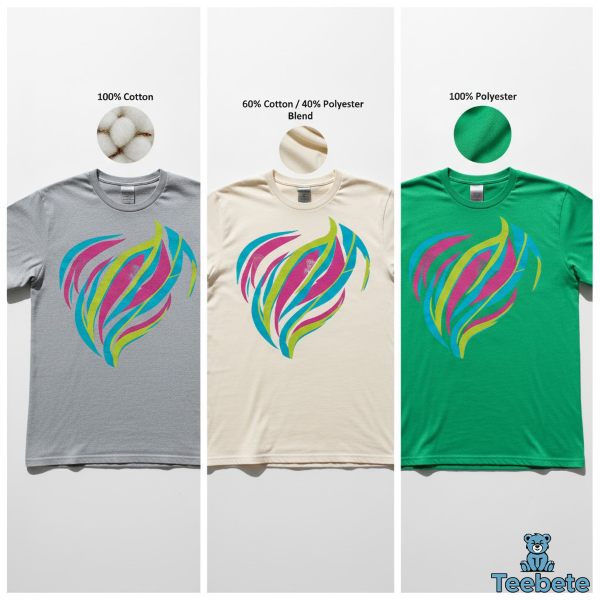
The base fabric of screen printed t-shirts influences care requirements. 100% cotton garments offer breathability and comfort but show higher shrinkage potential and may fade faster than blends. Acceptable shrinkage for 100% Preshrunk Cotton Printed Shirts is 5-7%, making cold water washing and air drying especially important for cotton garments.
Cotton-polyester blends balance comfort with durability, exhibiting less shrinkage (typically 3-5%) and better shape retention. Pure polyester performance fabrics rarely shrink but can trap odors more readily, potentially requiring more frequent washing. Each fabric type benefits from the screen printing care tips discussed, though cotton demands particular attention to temperature control.
Understanding your garment’s fabric composition helps predict behavior under various care conditions. Check labels for content information, adjusting care intensity accordingly. Heavier fabrics tolerate slightly more aggressive handling than lightweight materials, though all screen printed shirts benefit from gentle treatment.
Eco-Friendly Care Practices
Sustainable garment care aligns perfectly with effective screen print maintenance. Cold water washing reduces energy consumption while protecting prints—an environmental and economic win. Air drying eliminates dryer energy use entirely while extending garment life, reducing replacement frequency and associated environmental impacts.
Eco-friendly detergents typically contain fewer harsh chemicals, making them safer for both prints and the environment. These products clean effectively using plant-based surfactants rather than petroleum derivatives, protecting waterways while preserving your screen printed designs. Concentrated formulas reduce packaging waste and shipping impacts.
At Teebete, we encourage customers to view proper garment care as both preservation and sustainability practice. Extending screen printed t-shirt lifespan through appropriate care reduces textile waste, conserves resources, and delivers superior value. Each additional year a shirt remains wearable represents significant environmental benefit.
FAQ: Screen Printed T-Shirt Care
How to keep screen-printed shirts from cracking?
Preventing screen print cracking requires consistent attention to temperature and friction management. Always wash screen printed shirts inside out in cold water using gentle cycles and mild detergents. Avoid fabric softeners, bleach, and harsh chemicals that degrade ink flexibility. Most importantly, air dry garments completely or use the lowest possible dryer setting, removing shirts before cycles complete. Heat represents the primary cause of cracking, so minimizing heat exposure throughout washing and drying preserves ink flexibility and prevents crack formation.
How to keep a printed T-shirt from fading?
Color preservation in screen printed t-shirts depends on protecting inks from heat, chemicals, and UV exposure. Wash garments inside out in cold water to prevent color erosion from temperature and friction. Choose mild, color-safe detergents without bleach or optical brighteners that accelerate fading. Air dry shirts away from direct sunlight, as UV radiation causes color degradation even without heat. Store garments in cool, dark locations between wears. Following these practices, properly printed shirts maintain vibrant colors through dozens of washing cycles.
How to preserve a screen-printed shirt?
Comprehensive screen print preservation combines proper washing, drying, storage, and wearing practices. Turn shirts inside out before every wash, using cold water and gentle cycles with mild detergent. Air dry completely, hanging or laying flat away from direct sunlight. Store in cool, dry locations with good air circulation, avoiding heat sources and prolonged sun exposure. Rotate between multiple garments rather than wearing favorites constantly, and spot clean minor issues to extend time between full washes. These combined practices can extend screen printed t-shirt lifespan well beyond 100 washes.
How to fix screen print cracking?
Minor screen print cracking sometimes responds to careful heat treatment, though results vary. Place the garment printed side up on an ironing board, covering the cracked area with parchment paper. Apply a hot iron without steam briefly to the paper, melting ink edges slightly to rebond them. Use only the iron’s tip rather than its full surface, working slowly to avoid additional damage. This technique works best on small cracks in plastisol ink but cannot restore extensively damaged prints. Prevention through proper care remains more effective than attempted repairs.
How long do screen printed t-shirts last with proper care?
With consistent proper care, high-quality screen printed t-shirts maintain excellent appearance through 50-100+ washes. Professional-grade printing using quality inks and proper curing techniques, combined with cold water washing, gentle handling, air drying, and appropriate storage, can extend wearable life beyond this range. Factors affecting longevity include initial print quality, fabric type, wear frequency, and adherence to care guidelines. Screen printed garments receiving optimal care often outlast the base fabric itself, with prints remaining vibrant long after normal wear patterns emerge in the textile.
Can I put screen printed shirts in the dryer?
Machine drying screen printed shirts is possible but requires caution. Use the lowest heat setting available—ideally “air fluff” or “air dry” options—and maintain inside-out orientation. Remove garments before the cycle completes, when still slightly damp, then air dry completely. This hybrid approach minimizes heat exposure while providing some dryer convenience. However, air drying remains the safest method for maximum print longevity. If you must use high heat for any reason, expect accelerated print deterioration including cracking and fading.
What happens if I use hot water on screen printed shirts?
Hot water washing causes multiple problems for screen printed designs. Heat softens inks, making them more susceptible to erosion and color loss during agitation. The elevated temperature also accelerates chemical reactions between detergents and ink compounds, breaking down print integrity faster than cold water. Additionally, hot water increases fabric shrinkage risk, potentially distorting printed designs. While a single hot water wash rarely causes immediate visible damage, repeated hot water exposure significantly reduces screen print lifespan compared to consistent cold water washing.
Should I wash screen printed shirts separately?
Washing screen printed shirts separately from regular laundry provides optimal protection. Separate washing allows you to use cold water, gentle cycles, and mild detergents without compromising cleaning effectiveness for other garments. It prevents printed shirts from contacting rough fabrics, zippers, and buttons that cause abrasive damage. If separate washing isn’t practical, at minimum separate screen printed items from heavy, abrasive garments like jeans and towels, and always maintain cold water settings. Group screen printed shirts together by similar colors for combined washing if needed.
Summary: Key Takeaways for Screen Print Longevity
| Care Aspect | Best Practice | Why It Matters |
|---|---|---|
| Washing Temperature | Always use cold water (30°C or below) | Prevents ink softening, color erosion, and fabric shrinkage |
| Garment Orientation | Turn inside out before washing and drying | Protects print from friction, abrasion, and direct heat exposure |
| Washing Method | Hand wash or gentle machine cycle with mild detergent | Minimizes mechanical stress and chemical damage to prints |
| Drying Method | Air dry completely; avoid high heat | Eliminates heat-related cracking and preserves ink flexibility |
| Chemical Avoidance | Never use bleach, fabric softener, or harsh stain removers | Prevents chemical breakdown of ink compounds |
| Load Composition | Separate from heavy, abrasive items | Reduces friction that gradually wears away printed designs |
| Storage Conditions | Cool, dark, dry location with good air circulation | Prevents heat damage, fading, and moisture-related issues |
| Ironing Technique | Inside out, low heat, with protective cloth barrier | Avoids direct heat contact that melts or discolors prints |
| Wear Rotation | Alternate between multiple garments | Reduces wash frequency per shirt, extending overall lifespan |
| Print Quality | Start with professionally printed garments | Proper curing and quality inks provide foundation for longevity |
Proper screen printed t-shirt care transforms casual apparel into long-lasting wardrobe investments. By implementing these evidence-based techniques consistently, you’ll preserve vibrant designs and prevent frustrating cracking and fading. Whether your screen printed shirts come from Teebete or elsewhere, treating them with appropriate care ensures they remain fresh, comfortable, and visually striking for years to come.
The difference between shirts that fade after a dozen washes and those maintaining quality through 100+ cycles lies entirely in care practices. Start implementing these screen printing care tips today, and enjoy your favorite designs far into the future. Remember: every cold water wash, every air-dried garment, and every inside-out cycle adds weeks or months to your screen printed apparel’s lifespan. The small investment of proper care delivers enormous returns in extended wear and sustained satisfaction.

Hi, I’m Mia Wilson. I’m a journalist and content creator based in New York with over six years of experience covering sports, holidays, fan culture, and community events across the United States. I focus on exploring team histories, traditions, celebrations, and the broader impact of sports and cultural events on local communities. I’m passionate about providing accurate, engaging, and educational content for readers of all ages, helping them understand the stories, experiences, and events that make sports and celebrations so meaningful.