Wawa Eagles The Ultimate Philadelphia Identity Mashup
When Two Philadelphia Icons Become One
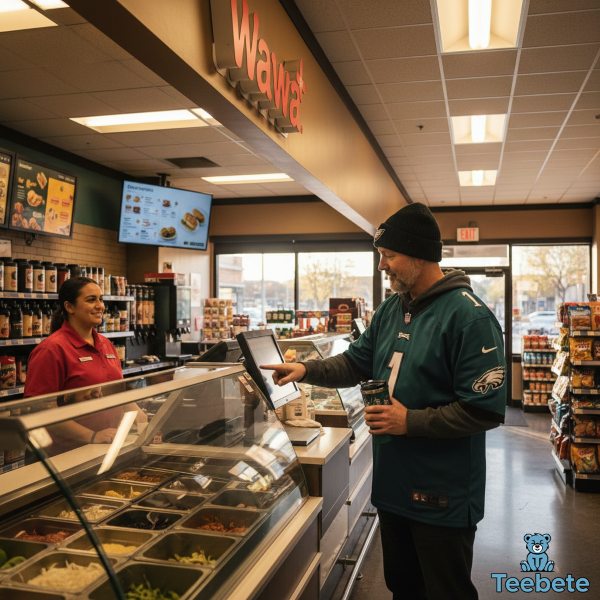
Picture this: It’s game day in Philadelphia. A fan wearing midnight green walks into their local Wawa at dawn, Eagles jersey already on, ordering their pre-tailgate hoagie with the precision of someone who’s done this ritual a thousand times. The cashier looks up, sees the jersey, and simply says, “Go Birds.” The customer grins back, “Go Birds.” In that moment—standing between the coffee station and the hoagie counter—they’re participating in something bigger than breakfast. They’re living the intersection of two Philadelphia institutions that have become so intertwined, so essential to the city’s identity, that separating them feels impossible.
At Teebete, we’ve spent years working with Philadelphia sports fans, and we’ve noticed something remarkable: When you combine Wawa and the Eagles, you’re not just merging two brands. You’re creating a symbol of everything Philadelphia stands for—loyalty, community, grit, and an unshakeable sense of home. The “Wawa Eagles” phenomenon isn’t just clever merchandising; it’s a cultural statement that captures the soul of a city. For fans who want to honor that deep-rooted connection through meaningful apparel and keepsakes, exploring authentic football fan gift inspiration is often the natural next step.
The Origins: Two Philadelphia Stories Born From Resilience
To understand why “Wawa Eagles” resonates so deeply, you need to understand where each half of this mashup comes from.
The Philadelphia Eagles: Born From the New Deal
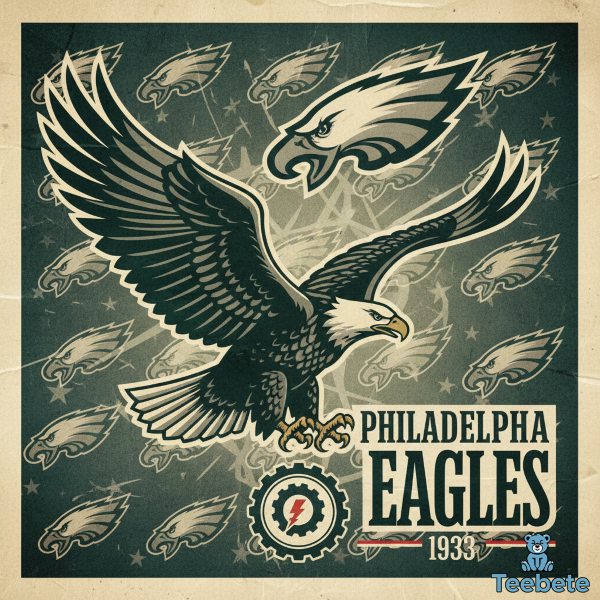
The Philadelphia Eagles were established in 1933 during one of America’s darkest hours. When Bert Bell and Lud Wray purchased the failed Frankford Yellow Jackets franchise for just $2,500, they weren’t simply buying a football team—they were making a statement about American resilience. Bell drew inspiration directly from the National Recovery Administration’s Blue Eagle symbol, a cornerstone of President Franklin D. Roosevelt’s New Deal policies designed to pull the nation out of the Great Depression.
The choice of an eagle as the team’s mascot wasn’t accidental. It represented courage, strength, and the American spirit during an era when the country desperately needed symbols of hope. From their first season in 1933, the Eagles embodied the working-class determination that would come to define Philadelphia sports culture. They played through the challenges of the Depression, even temporarily merging with the Pittsburgh Steelers in 1943 to form the “Steagles” during World War II’s manpower shortage.
Wawa: From Dairy Farm to Philadelphia Institution
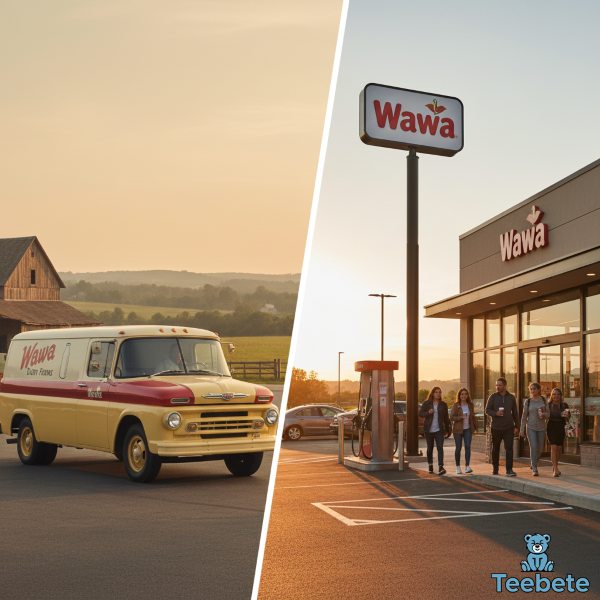
Meanwhile, across Delaware County, another Philadelphia story was unfolding. In 1902, George Wood established Wawa Dairy Farm in the unincorporated community of Wawa, Pennsylvania—named after the Ojibwe word for “snow goose.” For decades, Wawa operated as a successful milk delivery service, bringing quality dairy products directly to Philadelphia-area doorsteps.
When home milk delivery declined in the 1960s, George’s grandson Grahame Wood saw an opportunity. In 1964, he opened the first Wawa Food Market in Folsom as an outlet for their dairy products. The store was a revelation. By the 1970s, Wawa had introduced hoagies—those glorious submarine sandwiches that would become synonymous with the brand. By 1972, they’d opened their 100th store, and according to Axios Philadelphia, the company now operates approximately 1,000 locations with nearly $19 billion in revenue.
Both the Eagles and Wawa were born from Philadelphia’s working-class roots, built by people who understood struggle and perseverance. This shared DNA is precisely why they fit together so naturally.
The Cultural Meaning: More Than Just a Mashup
Philadelphia Identity in Two Symbols
When you combine the Wawa goose with the Eagles’ fierce bird imagery, you’re creating something that transcends clever graphic design. You’re building a visual representation of Philadelphia identity itself.
At Teebete, we’ve worked with countless Eagles fans who wear Wawa-inspired gear, and they consistently tell us the same thing: “This IS Philadelphia.” It’s not about choosing between your favorite convenience store and your football team—it’s about recognizing that both institutions represent the same values that make Philadelphia special.
According to Philadelphia Magazine’s analysis of Eagles fan psychology, the intense connection Philadelphians feel toward their teams stems from a deeply rooted need for community and belonging. Sports psychologist Coakley explains that Philadelphians are uniquely passionate about everything from their teams to their sandwiches to how they pronounce certain words. This cultural intensity makes the city’s identity inseparable from its institutions.
Consider what both Wawa and the Eagles provide:
Community Connection: Walk into any Wawa on game day, and you’ll find an instant bond between strangers wearing Eagles gear. “You see people in Wawa wearing the gear, and you connect with them: Go Birds!” explains one fan quoted in the Philadelphia Magazine piece. Both institutions create spaces—physical and emotional—where Philadelphians recognize each other as family.
Accessibility and Loyalty: Neither Wawa nor the Eagles are exclusive or pretentious. They’re for everyone. A hoagie costs less than ten dollars. Eagles fandom doesn’t require wealth or status—just heart. This democratic accessibility makes both institutions feel genuinely Philadelphian in a way that transcends class boundaries.
Ritual and Tradition: Game day means Wawa. It’s not a question of “where should we get food?” It’s a given. Fans pack coolers with Wawa hoagies before tailgates. They stop for coffee at 6 AM before heading to the Linc. These rituals become part of the fan experience itself.
The Working-Class Spirit
Philadelphia has always been a blue-collar city, and both Wawa and the Eagles embody that working-class ethos. The Eagles’ early championships in 1948, 1949, and 1960 came during an era when football was grittier, rougher, and less glamorous. Wawa built its empire not through fancy marketing but by providing quality products at fair prices with exceptional service.
The Design & Merchandising Magazine’s exploration of Eagles fan culture captures this perfectly: Philadelphia in winter is harsh, yet from the energy of tailgates and celebrations, the entire city feels warm and alive. That warmth doesn’t come from luxury or excess—it comes from shared struggle, mutual support, and collective joy.
When fans wear “Wawa Eagles” merchandise, they’re saying: “I understand where we come from. I know what it means to work hard, to show up, to support your own.” It’s a badge of authenticity in a city that prizes realness above almost everything else.
Breaking Down “Wawa Eagles”: Why These Words Work
Wawa: The Perfect Philadelphia Word
The word “Wawa” itself carries remarkable weight in Philadelphia culture. Originally derived from the Ojibwe language meaning “snow goose,” Wawa has evolved into something distinctly Philadelphian. It’s short, memorable, and instantly recognizable—qualities that make it perfect for a brand mashup.
Linguistically, “Wawa” uses repetitive syllables that create a sense of familiarity and comfort. The “W” sound is soft and welcoming, while the repetition makes it easy to say and remember. This simplicity belies its cultural complexity. In Philadelphia, “Wawa” isn’t just a store name—it’s a noun, verb, and adjective rolled into one. “Let’s Wawa” means “let’s go to Wawa.” “Wawa run” is a universally understood mission. The word has transcended its brand identity to become part of regional vocabulary.
Eagles: Power, Pride, and Philadelphia
“Eagles” carries obvious symbolism—strength, freedom, and American identity. But in Philadelphia, the word means something more specific. The Eagles aren’t just a team; they’re “The Birds.” This nickname itself shows how Philadelphians personalize and claim their team. They don’t say “the Philadelphia Eagles” in casual conversation—they say “The Birds” or simply “Eagles.”
The word “Eagles” also connects to Philadelphia’s historical identity. As mentioned earlier, the team name draws from FDR’s New Deal Blue Eagle, linking the franchise to themes of recovery, resilience, and collective effort. For a city that’s faced economic challenges, population loss, and countless setbacks, the eagle represents the ability to rise above adversity.
The Combination: Wawa Eagles
When you put “Wawa” and “Eagles” together, you create linguistic synergy. Both words start with different letters but share a certain phonetic energy. “Wawa Eagles” rolls off the tongue naturally—three syllables, two stressed beats, perfect rhythm.
More importantly, the combination immediately signals “this is for Philadelphians.” Someone from Pittsburgh or New York might understand “Eagles,” but “Wawa Eagles” instantly identifies the wearer as part of the in-group. It’s cultural shorthand for: “I know what Hoagiefest is. I understand the sacred tradition of the Philly Special. I’ve yelled ‘Go Birds’ to strangers in parking lots.”
Compare this to similar mashups from other cities—”Whataburger Cowboys” or “In-N-Out Lakers”—and you’ll notice they don’t carry the same weight. That’s because Wawa and the Eagles aren’t just popular; they’re essential to Philadelphia identity in a way that transcends mere fandom or consumer preference.
Fan Stories: Living the Wawa Eagles Life
Through our customers at Teebete, we’ve heard countless stories about what “Wawa Eagles” means to people’s lives.
Game Day Rituals
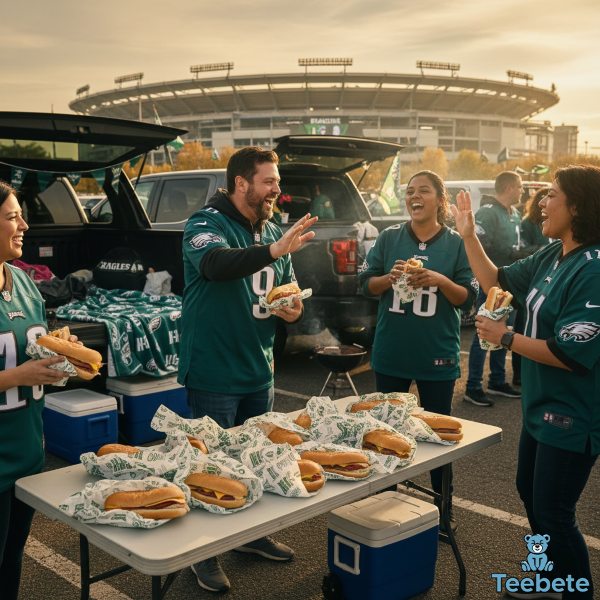
One customer told us about his father’s tradition: Every Eagles game day for thirty years, his dad woke up at 5 AM, drove to Wawa, ordered the same Italian hoagie, and ate it in his truck in the parking lot while listening to sports radio. When his father passed away, he continued the tradition. Now, every Sunday during football season, he does the same thing—not just to honor his dad, but because that Wawa hoagie in the truck has become inseparable from his Eagles experience.
Another fan shared how she moved to Philadelphia for college from Connecticut in 2017. She felt like an outsider until her roommate took her to Wawa before an Eagles game. Standing in line, a stranger in an Eagles jersey looked at her borrowed Birds gear and said, “Go Birds.” She said it back, awkwardly at first. By the end of the season, she was initiating those greetings, feeling the rush of belonging that comes with being part of something bigger.
The Viral Moments
Social media has amplified the Wawa Eagles connection. During the 2018 Super Bowl run, photos of fans packing Wawa hoagies while camping overnight on Ben Franklin Parkway for the best parade spots went viral. The image was quintessentially Philadelphia: dedication to the Eagles, sustained by Wawa provisions.
When Wawa announced they were becoming the “Official Hoagie” of the Baltimore Ravens in 2019, Eagles fans revolted on social media—feeling genuinely betrayed. Wawa’s mascot, Wally Goose, had to release a formal letter reassuring Philadelphia that “we’ll always love our Philadelphia Eagles” and that the Ravens partnership was simply honoring Wawa’s 50th anniversary in Maryland. The passionate response showed how deeply fans connect these two brands.
Community Bonds
We’ve seen how “Wawa Eagles” creates immediate connections between strangers. Fans tell us about bonding with coworkers over shared appreciation for both institutions, about making friends in new cities by spotting someone else wearing similar gear, about using “Wawa Eagles” merchandise as conversation starters that lead to lasting relationships.
This isn’t just merchandise—it’s tribal identification. When you wear “Wawa Eagles” gear, you’re signaling your values, your history, and your community allegiance in a way that other people immediately understand and respect.
Modern Influence: How Wawa Eagles Dominates Today
The Official Partnership
The relationship between Wawa and the Eagles isn’t just fan-created folklore—it’s officially sanctioned. In 2015, Wawa became the “Official Hoagie of the Philadelphia Eagles”, a partnership that has been extended multiple times, most recently through at least 2024.
As part of this partnership, Wawa wraps hoagies in Eagles-themed paper throughout the season in Philadelphia-area stores. They collaborate on promotions offering fans chances to win Eagles tickets, autographed merchandise, and unique experiences. Wawa also sponsors the Eagles Autism Challenge, supporting research and families affected by autism through organized bike rides.
This official relationship validates what fans already knew intuitively: These institutions belong together. When Chris Gheysens, Wawa’s President and CEO, says “We have always felt a special connection with the Philadelphia Eagles since we not only share many of the same fans, but share cultures based on teamwork and delighting our customers,” he’s acknowledging a cultural truth that extends far beyond corporate sponsorship.
Merchandise and Fashion Culture
The grassroots creation of “Wawa Eagles” mashup designs shows how fans have taken ownership of this cultural combination. From custom t-shirts on Etsy to designs on Redbubble, independent artists have created countless variations merging Wawa’s goose logo with Eagles imagery. Some designs feature the Wawa goose wearing an Eagles helmet. Others blend the color schemes or create clever visual puns combining both brands’ aesthetics.
This fan-created merchandise serves a different purpose than official team gear. It says: “I’m not just an Eagles fan—I’m a Philadelphia Eagles fan. I understand the complete context of what that means.” It’s insider knowledge made visible, a way of signaling authentic local identity in an era when teams have national and international followings.
Social Media and Digital Community
On platforms like Instagram, Twitter, and TikTok, #WawaEagles and related hashtags have become gathering places for Philadelphia sports culture. Fans share photos of their game day Wawa runs, post videos of themselves greeting fellow fans in Wawa stores, and create content celebrating both institutions.
The phrase “Go Birds” has become so intertwined with Wawa experiences that fans regularly report having these exchanges at Wawa locations. According to The Philadelphia Inquirer’s recent coverage, one of the top recommendations for new Eagles fans is to “shout ‘Go Birds’ to anyone you see wearing Birds gear” and to make Wawa stops a daily ritual, greeting fellow fans until “your last breath.”
This digital amplification has helped “Wawa Eagles” culture spread beyond just game days. It’s become a year-round identifier, a way for Philadelphians—whether living in the city or scattered across the country—to maintain their connection to home.
Conclusion: More Than a Slogan, A Way of Life
The beauty of “Wawa Eagles” is that it needs no explanation to those who understand, and no explanation could fully capture its meaning for those who don’t. It’s the taste of an Italian hoagie at 6 AM on a Sunday. It’s the feeling of walking into any Wawa and knowing exactly where everything is because it’s the same layout you’ve known your entire life. It’s the electricity in the air when the Eagles make a crucial play and everyone in the store, from the staff to the customers, erupts in celebration.
“Wawa Eagles” represents Philadelphia’s gift for taking ordinary, everyday things and elevating them into something sacred through sheer force of community love. It’s proof that culture isn’t created by marketers or corporations—it’s created by regular people who show up, participate, and build traditions that give life meaning, just like Bird Gang merchandise does for fans.
If you want to celebrate this spirit—to wear your Philadelphia identity with pride—Teebete has designed a collection that honors this iconic cultural mashup. Our Wawa Eagles sweatshirt captures the heart of what makes Philadelphia special: the intersection of tradition, community, and passionate loyalty that defines both Wawa and the Eagles. When you wear it, you’re not just wearing a shirt—you’re carrying a piece of Philadelphia wherever you go.

Hi, I’m Mia Wilson. I’m a journalist and content creator based in New York with over six years of experience covering sports, holidays, fan culture, and community events across the United States. I focus on exploring team histories, traditions, celebrations, and the broader impact of sports and cultural events on local communities. I’m passionate about providing accurate, engaging, and educational content for readers of all ages, helping them understand the stories, experiences, and events that make sports and celebrations so meaningful.