Steelers vs Ravens Rivalry History: The NFL’s Most Physical Battle
Few matchups in professional football carry the weight and anticipation of a Pittsburgh Steelers versus Baltimore Ravens game. Since Baltimore entered the AFC landscape in the late 1990s, these two franchises have built one of the most respected and ferocious rivalries in modern NFL history. Every time these teams meet, fans can expect bone-crushing defense, low scoring thrillers, and a level of competitive intensity that few divisional matchups can match.
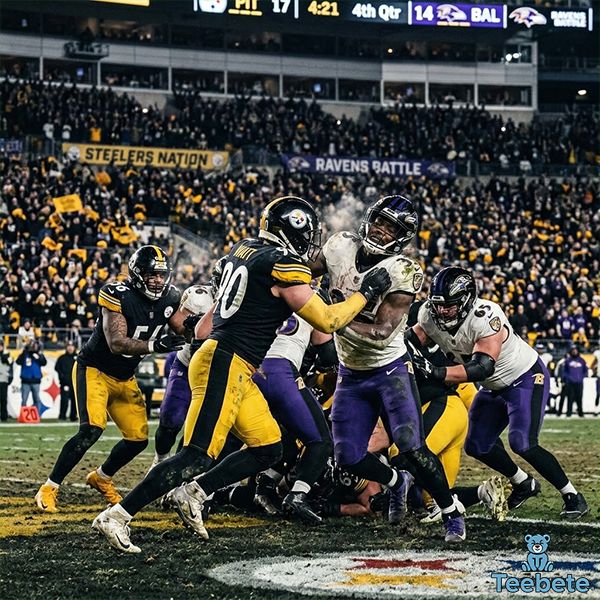
The Steelers vs Ravens rivalry is not just about wins and losses. It is about two cities, two proud football cultures, and two franchises that have defined what defensive football looks like at the highest level. Games between Pittsburgh and Baltimore have repeatedly shaped the AFC North standings, determined playoff seeds, and produced moments that fans carry with them for decades.
That loyalty extends far beyond the stadium. Supporters across the country express their connection to the rivalry through community culture, storytelling, and game day traditions, including the kind of Pittsburgh football fan apparel collection that reflects just how deeply rooted this rivalry is in the identity of its fans.
The Origins of the Steelers vs Ravens Rivalry
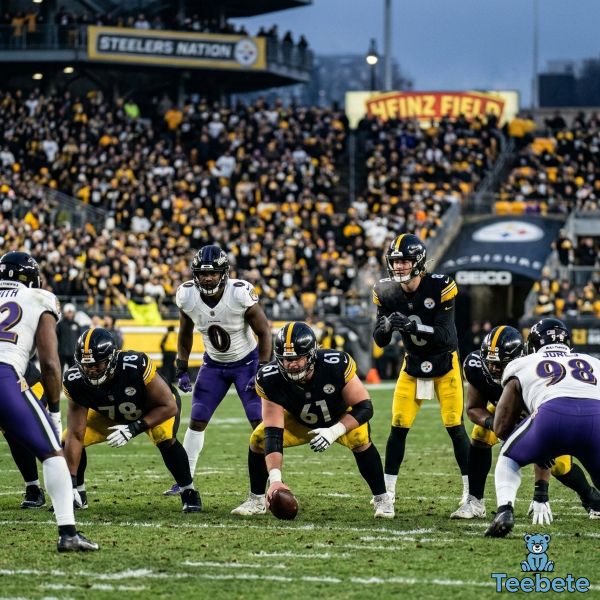
The roots of the rivalry trace back to 1996, when the Baltimore Ravens entered the NFL following the relocation of the Cleveland Browns franchise. Baltimore was placed in the AFC Central division, putting it in direct competition with Pittsburgh from the very start.
In those early years, both franchises were in the process of shaping their identities. Pittsburgh had already established itself as a storied organization with multiple Super Bowl championships and a tradition of tough, physical football. Baltimore, meanwhile, was building something new but building it fast. The Ravens assembled a defensive roster that would become one of the most dominant units in league history.
The early matchups between these two teams quickly set the tone for what the rivalry would become. Games were physical, tightly contested, and loaded with defensive stops. Neither team gave the other an inch, and that standard carried through into every season that followed.
When the NFL restructured its divisions in 2002 and both teams were placed in the newly formed AFC North, the rivalry became even more concentrated. Two games per year against a division opponent meant that every matchup had direct playoff implications, and both fan bases began circling these dates on the calendar long before the season started.
For fans who have followed the rivalry from those early days, gear and tradition are central to the experience. Collections like classic black and gold fan gear speak to that decades-long connection between supporters and the identity of Steelers football.
Why the Steelers Ravens Rivalry Became So Intense
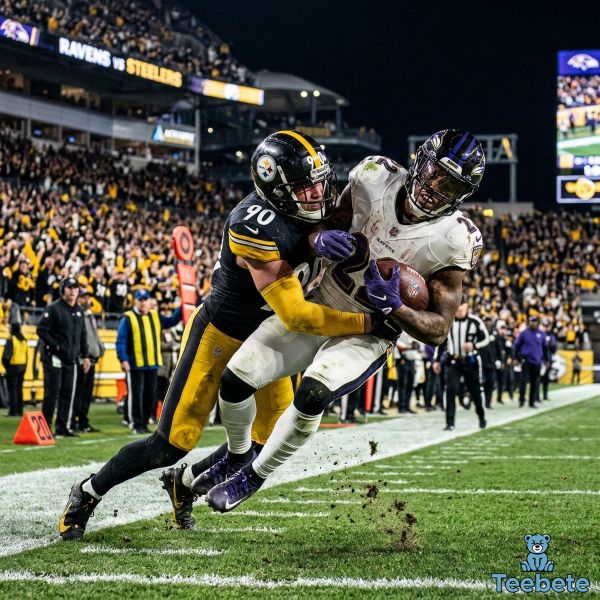
Several factors combined to transform this divisional series into something genuinely special within the NFL landscape.
The most significant factor is defensive philosophy. Both franchises built their competitive identities around stopping the run, pressuring the quarterback, and winning the physical battle at the line of scrimmage. When two teams with that shared mentality face each other twice a year, the result is football stripped down to its most fundamental and demanding form.
Beyond philosophy, both organizations maintained consistent playoff contention throughout the 2000s and into the 2010s. Pittsburgh and Baltimore were not meeting each other as teams struggling to find their footing. They were meeting as genuine Super Bowl contenders, which raised the stakes of every regular season game between them.
The scorelines themselves tell the story. Over the course of the rivalry, a remarkable number of games have been decided by one possession. Blowouts are rare. Fourth-quarter leads are not safe. Comebacks happen regularly. That pattern has conditioned both fan bases to expect a fight until the final whistle, which only deepens the emotional investment.
Players who competed in this rivalry consistently point to these games as among the most demanding of their careers. The preparation was different, the physicality was elevated, and the consequences of every play felt magnified. That mutual respect and shared intensity became part of what makes the rivalry feel unlike other divisional matchups in the league.
Head to Head History and Rivalry Statistics
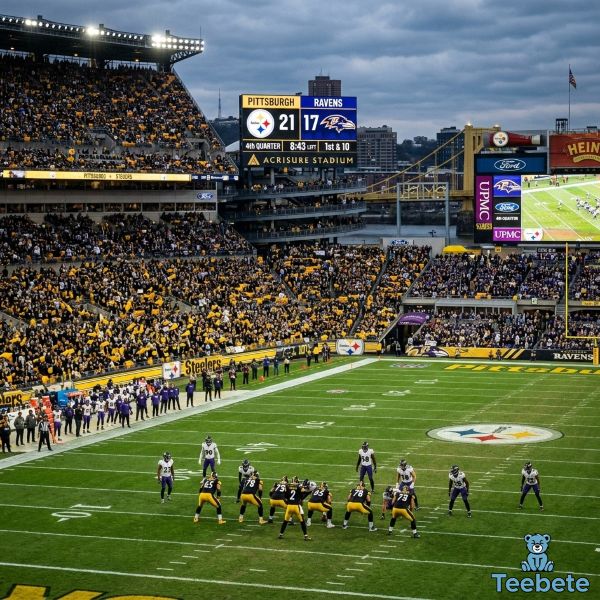
From a statistical standpoint, few rivalries in the modern NFL have been as evenly contested as Pittsburgh versus Baltimore.
| Stat Category | Details |
|---|---|
| Series started | 1996 |
| Total regular season games | 50+ matchups through 2024 |
| Games decided by one possession | Over 60% of all matchups |
| Playoff meetings | 4 postseason matchups |
| Average margin of victory | Fewer than 7 points |
| Playoff stages reached by both | Conference Championship appearances |
The overall head to head record between the two franchises has remained remarkably close across more than two decades of competition. Neither team has been able to establish clear dominance over the other for any extended period, which is itself a testament to how evenly matched these organizations have been.
The average margin of victory in rivalry games has been consistently small. A significant portion of matchups have been decided by a single possession, meaning seven points or fewer separated the teams when the clock hit zero. That level of closeness over such a long period is unusual even among long-standing NFL rivalries.
Playoff encounters between the two teams have been particularly memorable. When elimination stakes are added to an already charged atmosphere, these games tend to deliver performances that fans discuss for years afterward. The rivalry has produced playoff results that changed the trajectory of both franchises in meaningful ways.
The raw numbers confirm what fans already know from watching: this is one of the most competitive and evenly balanced rivalries in NFL history.
Legendary Players Who Defined the Rivalry
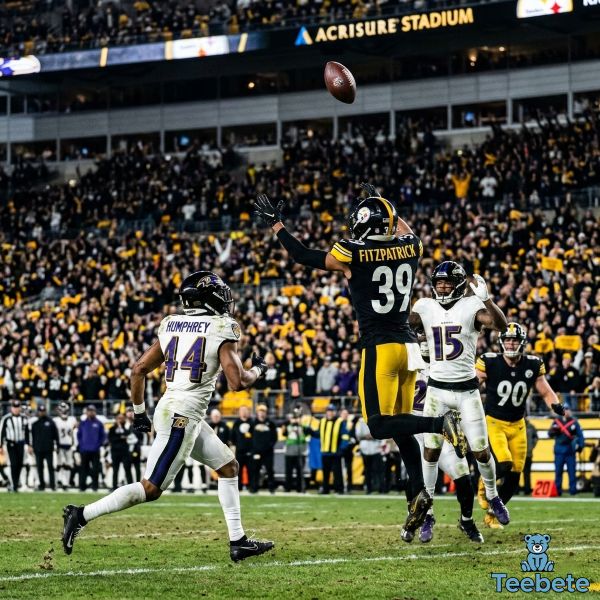
No discussion of the Steelers vs Ravens rivalry is complete without acknowledging the extraordinary players who gave these matchups their identity.
Ray Lewis anchored the Baltimore defense with a level of intensity and leadership that set the standard for the entire franchise. His presence on the field elevated every game he played in, and Steelers opponents knew that Lewis was going to bring maximum effort on every snap. His performances in rivalry games were among the most impactful of his Hall of Fame career.
Ed Reed complemented Lewis as one of the greatest safeties in NFL history. Reed’s ability to read quarterbacks, generate turnovers, and shift the momentum of a game made him a constant threat every time the Steelers had the ball. His rivalry games were often defined by a single interception or forced fumble that altered the final result.
On the Pittsburgh side, Troy Polamalu gave Steelers fans a defensive player who matched Lewis and Reed in terms of talent, instinct, and impact. Polamalu was unpredictable, explosive, and capable of making plays that defied explanation. His ability to cover ground and disrupt passing lanes made him one of the most feared defenders of his era.
Ben Roethlisberger handled the responsibility of quarterbacking Pittsburgh through some of the rivalry’s biggest moments. His ability to extend plays, absorb punishment, and deliver when the game was on the line made him the kind of opponent that Baltimore defensive coordinators spent weeks scheming against.
Terrell Suggs and James Harrison added their voices to the rivalry as pass rushers who made life difficult for opposing quarterbacks season after season. Both players were physical, relentless, and deeply invested in the intensity of the matchup. Their individual battles with offensive linemen across the line of scrimmage became storylines in themselves.
The Most Memorable Steelers Ravens Games
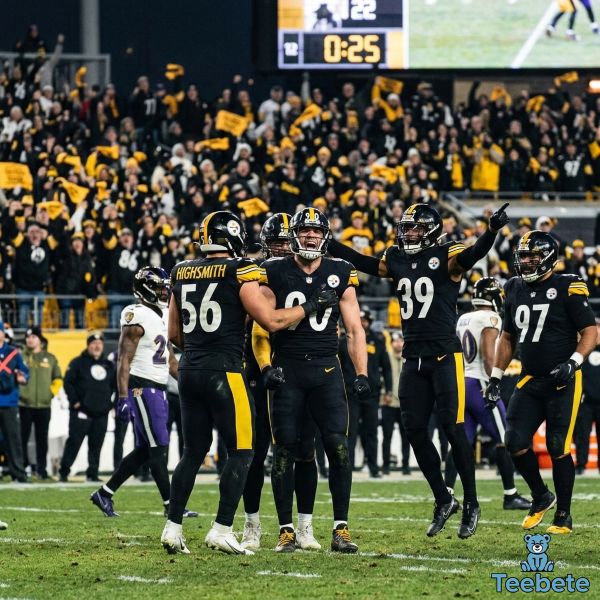
Certain games from this rivalry have earned permanent places in the memories of NFL fans.
The 2008 AFC Championship Game stands above nearly all others. Played in Pittsburgh, this was a game defined by defensive excellence and the kind of pressure that only a championship appearance can create. The Steelers advanced to the Super Bowl with a performance that showcased everything the rivalry represents: physical football, limited margin for error, and execution under extreme pressure.
The 2010 Divisional playoff matchup delivered another unforgettable chapter. Baltimore had earned the right to travel to Pittsburgh and compete for a spot in the conference championship, and the game lived up to every expectation. Both defenses were at their best, and the outcome was determined by a small number of plays that went Pittsburgh’s way.
Beyond the postseason, regular season games between these teams have produced their share of classic moments. Late game field goals, last-minute drives, and sudden momentum shifts have been common features of the series across its entire history. These are the games that reinforce why fans mark the Steelers Ravens dates on their calendars every August.
The emotional connection that fans carry from these games expresses itself in many ways. Some supporters celebrate memorable moments with unique designs like this bold cartoon style Steelers fan shirt, which captures the personality and pride that has always surrounded Pittsburgh football culture.
How the Rivalry Shapes AFC North Football
The Steelers Ravens rivalry has had an influence that extends beyond the two franchises directly involved. It has shaped the identity and competitive standards of the entire AFC North division.
The physical brand of football that Pittsburgh and Baltimore brought to the division set a template that other teams had to acknowledge and adapt to. Entering the AFC North as a franchise meant understanding that the division rewarded toughness, roster depth, and the ability to compete in low-scoring, grinding games. That reputation was built largely on the foundation of Steelers Ravens matchups.
From a strategic standpoint, both organizations have historically prioritized the draft of defensive linemen, linebackers, and physical cornerbacks. The knowledge that twice a year they would face a team capable of running the ball with authority and pressuring the quarterback with elite personnel shaped how general managers built their rosters.
Fan culture across the division reflects that intensity. Pittsburgh and Baltimore supporters have developed a mutual awareness that goes beyond rivalry into something closer to deep competitive respect. Both groups understand that the other side is going to show up prepared, and that understanding has produced decades of high-stakes football that matters to both communities.
Steelers Fan Culture and Game Day Traditions
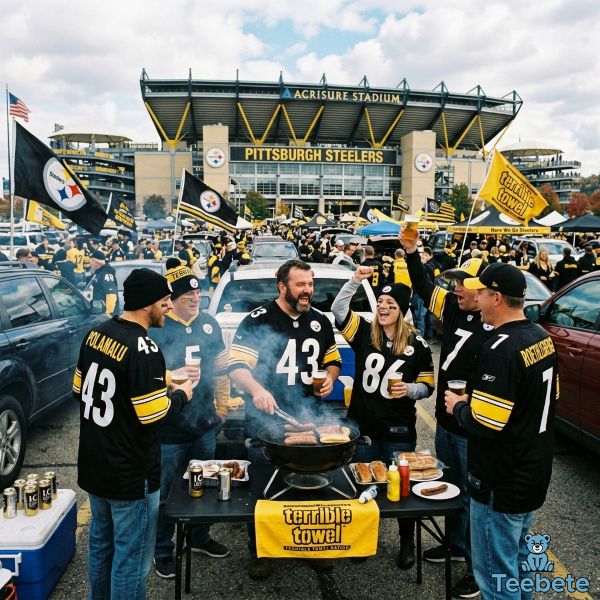
The Steelers fan base is one of the most recognizable in professional sports, and the Ravens rivalry has played a central role in shaping game day culture for Pittsburgh supporters across the country.
Tailgating before a Steelers Ravens game carries a different energy than other home matchups. The combination of elevated stakes, historical context, and genuine competitive tension creates an atmosphere that longtime fans describe as unique even within a season full of meaningful games.
Generational fandom is a defining characteristic of the Steelers support base. Families who were watching the early matchups against Baltimore in the late 1990s are now watching with children who grew up hearing about those games. The rivalry served as a teaching moment for a generation of young fans who learned to love football through the lens of Pittsburgh’s defensive identity.
Game day rituals for Steelers fans often include team gear worn as a statement of loyalty and belonging. Themed shirts and apparel are a central part of how supporters express their commitment to the rivalry, with designs like this fun game day routine fan shirt capturing the humor and dedication that Steelers fans bring to every matchup week in and week out.
How Family Traditions Keep the Rivalry Alive
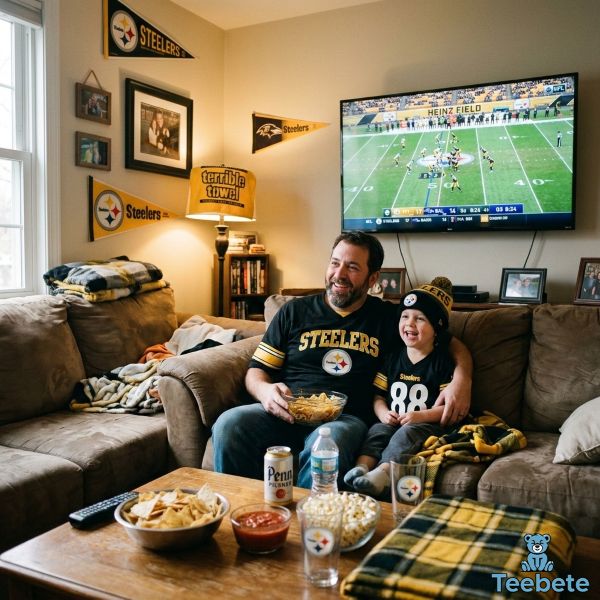
Rivalries in professional sports survive across decades not just because teams remain competitive, but because fans pass the experience from one generation to the next. The Steelers Ravens rivalry has proven remarkably effective at creating exactly that kind of family tradition.
Parents who watched Ray Lewis and Troy Polamalu battle in the early years of the rivalry introduced their children to those games. The stories of big hits, dramatic finishes, and playoff intensity became part of the shared vocabulary within households across western Pennsylvania and beyond. Children who absorbed those stories grew up with a built-in emotional investment in the rivalry before they ever watched a game themselves.
Watching games together as a family during rivalry weeks became a ritual for countless Pittsburgh households. The pregame buildup, the halftime conversations, and the postgame analysis created a shared experience that strengthened family bonds alongside team loyalty. These memories have lasting emotional weight that extends well beyond the final score.
For many families, this kind of fandom becomes central to personal identity. Apparel designed around shared experiences, like this proud football dad fan shirt, resonates because it speaks directly to the connection between generational fandom and everyday family life.
The Role of Fan Communities in Preserving the Rivalry
Beyond the games themselves, the Steelers Ravens rivalry has been sustained and amplified by the communities that form around it. Online fan groups, local watch parties, sports media coverage, and dedicated fan platforms all play a role in keeping the rivalry visible and emotionally relevant throughout the year.
Social media has given fans new ways to engage with rivalry history, share memories of classic matchups, and connect with supporters across geographical boundaries. A Pittsburgh fan living outside Pennsylvania can participate in the conversation, consume rivalry content, and maintain their connection to the team through platforms that did not exist when the rivalry began.
Sports media covers the Steelers Ravens matchup with consistent attention, understanding that games between these two franchises reliably deliver viewership, analysis, and engagement. Every rivalry week generates previews, historical retrospectives, and player interviews that deepen public awareness of what the matchup means.
Fan-focused brands contribute to this ecosystem by creating products that celebrate the stories, humor, and loyalty that define Pittsburgh football culture. Brands like Teebete design apparel that speaks directly to the experiences and identity of Steelers fans, giving supporters a way to express their connection to the rivalry in their daily lives.
Why the Steelers Ravens Rivalry Still Matters Today
As professional football has evolved, many traditional rivalries have faded in competitive intensity or cultural relevance. The Steelers Ravens rivalry has not followed that pattern.
Both franchises continue to attract the resources, talent, and organizational stability necessary to compete at the highest level. The AFC North remains one of the most demanding divisions in the league, and Pittsburgh and Baltimore remain central to that competitive landscape year after year.
The fan bases supporting both teams are among the largest, most vocal, and most geographically distributed in professional sports. Steelers and Ravens supporters show up in opposing stadiums across the country, and their presence makes rivalry games feel significant regardless of location or context.
Media attention continues to frame the rivalry as appointment viewing. When Pittsburgh and Baltimore meet, broadcasters emphasize the history, the defensive tradition, and the expectation of a close, physical game. That framing reinforces the rivalry’s reputation with each new generation of football viewers.
At its core, the Steelers Ravens rivalry matters because it represents something larger than any individual game or season. It represents a standard of competitive excellence, a tradition of physical football, and the loyalty of fan communities who have built their sporting identities around these matchups.
Conclusion
The Steelers vs Ravens rivalry stands among the most respected in NFL history, and its longevity is no accident. It was built on a foundation of defensive excellence, consistent playoff contention, evenly matched rosters, and the kind of close games that stay with fans long after the final whistle.
Ray Lewis and Troy Polamalu. Ed Reed and Ben Roethlisberger. Terrell Suggs and James Harrison. The players who have competed in this rivalry elevated it beyond a divisional series into something that defines what modern NFL football can look like when two elite organizations meet at their best.
The AFC North was shaped by this rivalry. Its physical identity, its defensive culture, and its reputation for demanding football all trace back to the standard that Pittsburgh and Baltimore set through decades of fierce competition.
Fan communities on both sides have kept the rivalry alive through storytelling, tradition, and generational loyalty. The rivalry belongs not just to the players and coaches who compete in it, but to the families, communities, and supporters who carry it forward every season.
Appreciation for the Steelers Ravens rivalry means appreciating both the history and the human culture that surrounds it. The games matter. The stories matter. And the community of fans who show up every year, dressed in black and gold and committed to every snap, matters just as much.
Common Questions About the Steelers Ravens Rivalry
Why is the Steelers vs Ravens rivalry so intense?
The Steelers vs Ravens rivalry is intense because both teams built their identities around physical defense, disciplined coaching, and competitive divisional games. Many matchups are decided by a small margin, which increases the emotional stakes for players and fans alike. When two franchise-level defenses meet twice a year with playoff implications on the line, the result is football that rarely produces anything other than a grinding, closely contested battle.
When did the Steelers Ravens rivalry begin?
The rivalry began in 1996 when Baltimore joined the NFL and started competing in the same division as Pittsburgh. Regular divisional matchups quickly developed into one of the league’s most competitive series, and the intensity only grew as both franchises assembled rosters capable of sustained playoff contention.
Who leads the Steelers vs Ravens head to head record?
The overall head to head record between Pittsburgh and Baltimore has remained very close over the years, reflecting how evenly matched the teams have been across multiple eras. Neither franchise has been able to establish clear or lasting dominance over the other, which is itself a defining feature of the rivalry.
What are the most famous Steelers Ravens games?
Some of the most famous games include the 2008 AFC Championship and the 2010 Divisional playoff matchup. Both showcased the defensive intensity and dramatic finishes that define the rivalry. Regular season games decided in the closing seconds have also added to the long list of memorable moments between these two franchises.
Why do fans care so much about this rivalry?
Fans care about the rivalry because it represents decades of competition, regional pride, and unforgettable football. The physical style of play and consistent playoff implications have made these matchups some of the most anticipated games of every NFL season. For many supporters, following this rivalry is not simply a sports interest. It is part of a family tradition and a broader community identity that has been passed down across generations.

Hi, I’m Mia Wilson. I’m a journalist and content creator based in New York with over six years of experience covering sports, holidays, fan culture, and community events across the United States. I focus on exploring team histories, traditions, celebrations, and the broader impact of sports and cultural events on local communities. I’m passionate about providing accurate, engaging, and educational content for readers of all ages, helping them understand the stories, experiences, and events that make sports and celebrations so meaningful.