Why Steelers Fans Are Called Steeler Nation
A Fan Base Unlike Any Other
Few sports fan communities are as instantly recognizable as the supporters of the Pittsburgh Steelers. Whether you are watching a game in Pittsburgh, Los Angeles, London, or Tokyo, you are likely to spot someone wearing black and gold. The phrase “Steeler Nation” rolls off the tongues of broadcasters, players, coaches, and fans as naturally as the team’s name itself. It is not just a nickname. It is a declaration of identity, a badge of loyalty, and a connection to one of the most storied franchises in the history of professional football.
This article explores where the term came from, how it spread across the country and around the world, and why it continues to carry such deep meaning for millions of people who have never set foot in Pittsburgh.
What Does Steeler Nation Mean
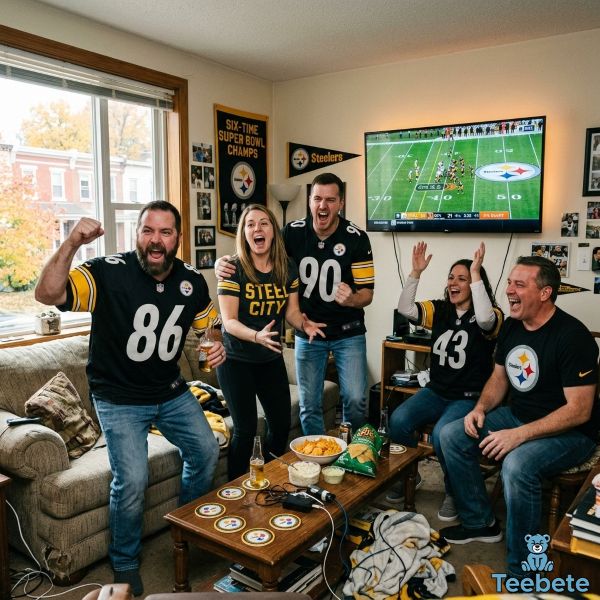
At its core, Steeler Nation refers to the worldwide community of Pittsburgh Steelers supporters. It captures the idea that the fan base is not bound by city limits, state borders, or even national boundaries. A fan in Texas is as much a part of Steeler Nation as a fan who grew up in the shadow of Acrisure Stadium.
The phrase reflects several important values that the fan base holds dear. First, it represents unconditional loyalty to the team through winning seasons and difficult ones alike. Second, it speaks to a long tradition in the NFL that includes legendary players, iconic moments, and a championship pedigree that few franchises can match. Third, it acknowledges the reality that Steelers supporters have spread far and wide, yet remain connected through their shared passion for the black and gold.
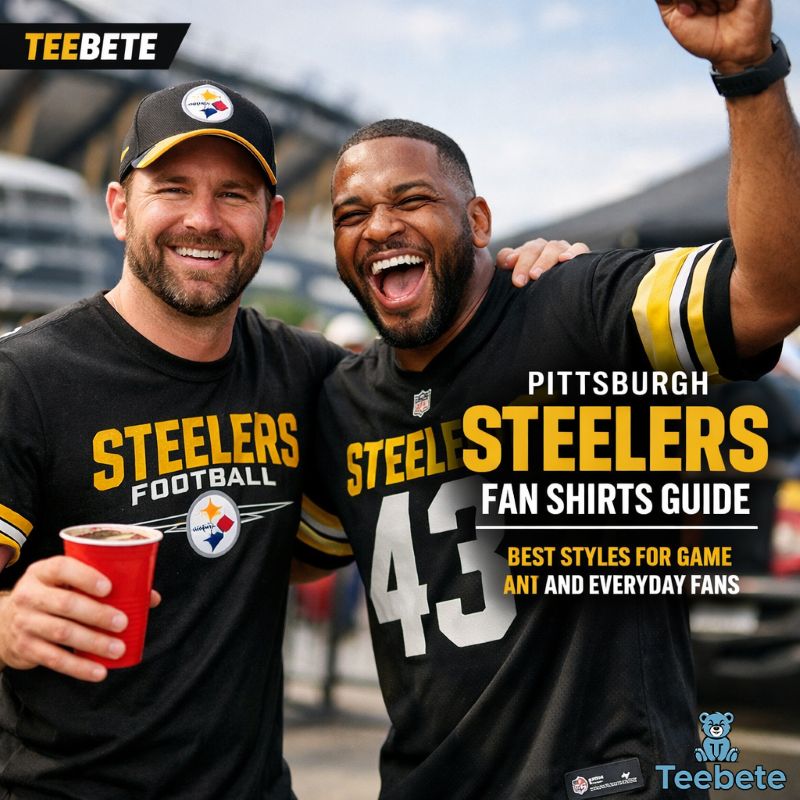
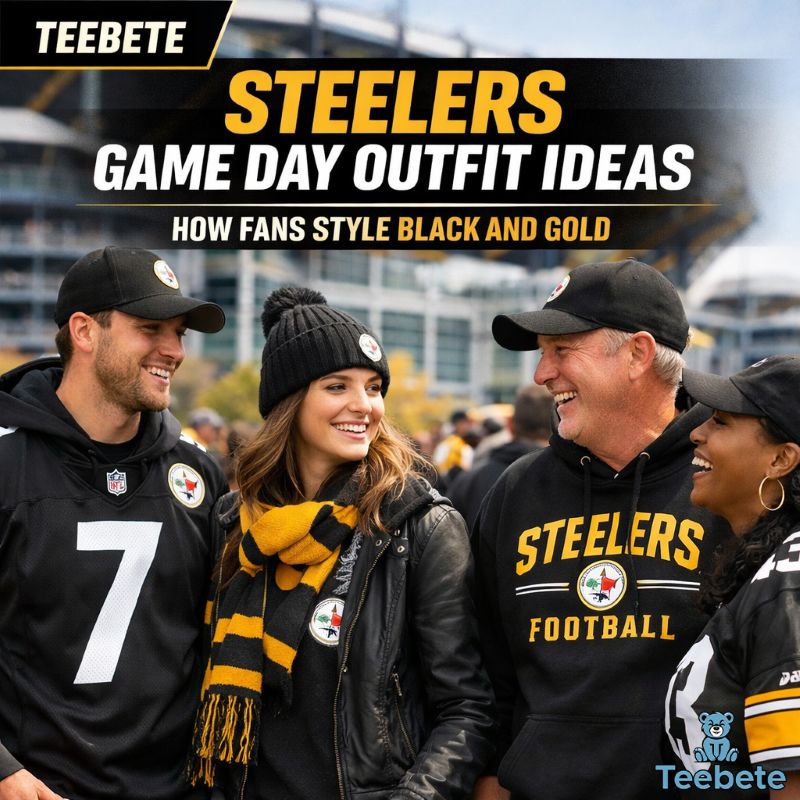
Today, fans express this collective identity through game day traditions, road trips to away games, community watch parties, and a wide range of visible displays of team pride. Many supporters express their identity through game day clothing and collectibles, including Pittsburgh football fan pride apparel worn during games, tailgates, and watch parties across the country.
The Origin of the Term Steeler Nation
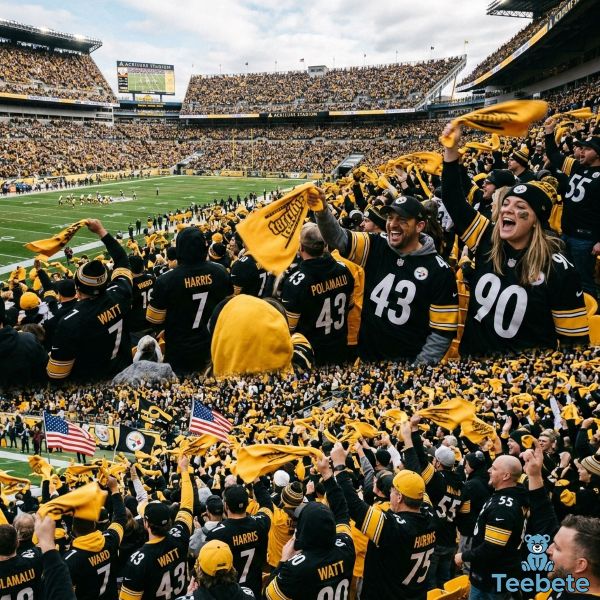
The exact moment when someone first used the phrase “Steeler Nation” is difficult to pinpoint. No single broadcaster coined it on a specific date, and no official team press release introduced it to the world. Instead, the term evolved organically over decades, growing out of the unique relationship between the Pittsburgh Steelers and their supporters.
The roots of the phrase can be traced back to the 1970s, when the Steelers became one of the dominant forces in professional football. As the team claimed Super Bowl titles and produced legendary players who became household names across America, the fan base grew well beyond western Pennsylvania. National television broadcasts brought the team into living rooms from coast to coast, and commentators began reaching for language that could adequately describe the scale and passion of the support.
The phrase gained traction naturally because it captured something true. These were not just fans of a local team. They were a community that transcended geography, a force that showed up everywhere. As media coverage expanded and the team’s reputation grew, “Steeler Nation” became the accepted shorthand for this phenomenon.
By the 1990s and into the 2000s, the term was firmly embedded in the language of the NFL. Players referenced it in postgame interviews. Coaches acknowledged it. The league itself recognized that Pittsburgh’s fan base was something exceptional.
Many longtime supporters continue to celebrate the team’s legacy with memorabilia and clothing like a bold black gold fan graphic shirt that reflects the iconic colors associated with the franchise.
How the Steelers Built One of the Largest Fan Bases in Sports
The growth of Steeler Nation did not happen by accident. It was the result of championship success, cultural migration, and the kind of generational loyalty that is passed down like a family heirloom.
The 1970s Championship Dynasty
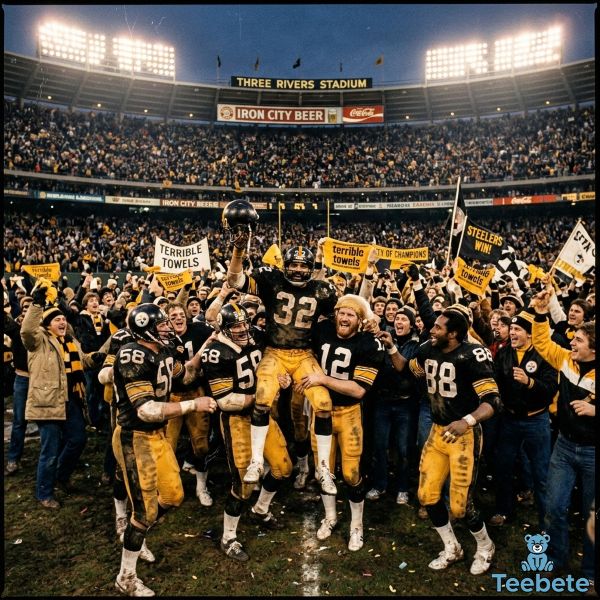
The foundation of the Steelers’ massive fan base was laid during one of the greatest runs in NFL history. Between 1974 and 1979, Pittsburgh won four Super Bowls, becoming a symbol of excellence in professional football. The team was led by players who transcended the sport. Terry Bradshaw, Franco Harris, Lynn Swann, Jack Lambert, and Mean Joe Greene were not just great football players. They were cultural figures whose names were known by people who barely followed the sport.
National television exposure during this era was crucial. Super Bowl broadcasts attracted enormous audiences, and the Steelers were a fixture in those games. Every appearance introduced the team to new fans across the country, many of whom had no prior connection to Pittsburgh but were drawn in by the winning, the personalities, and the drama.
Migration of Pittsburgh Workers
The geography of American industry played a significant and often underappreciated role in building Steeler Nation. Pittsburgh was historically a center of steel production, and as the industry contracted during the latter half of the twentieth century, workers and their families moved to other parts of the country in search of opportunity.
These workers did not leave their team allegiance behind. They settled in cities like Cleveland, Chicago, Detroit, Atlanta, and Phoenix, and they brought their love of the Steelers with them. Community ties formed around shared Pittsburgh roots, and the team became a touchstone for identity among displaced families. In many cities, informal Steelers fan clubs formed, creating visible pockets of black and gold in places far from western Pennsylvania.
This pattern repeated itself across generations. The children and grandchildren of those original transplants inherited the tradition, keeping the connection to Pittsburgh alive even as the industrial ties faded.
Generational Loyalty
Perhaps the most powerful engine of Steeler Nation’s growth is the way loyalty is handed down within families. For many supporters, following the Steelers is not a choice they made as adults. It is something they absorbed as children, sitting next to parents and grandparents on Sunday afternoons, learning the players’ names before they could read, and understanding that the black and gold was simply part of who they were.
This generational quality gives the fan base a depth and durability that is hard to match. Fans do not drift away when the team has a difficult season because their connection was never primarily about winning. It is about family, memory, and identity.
Today this multi-generational pride often appears in fan clothing and gifts such as a faith and football fan pride shirt that blends personal values with team devotion.
Why Steelers Fans Are Everywhere
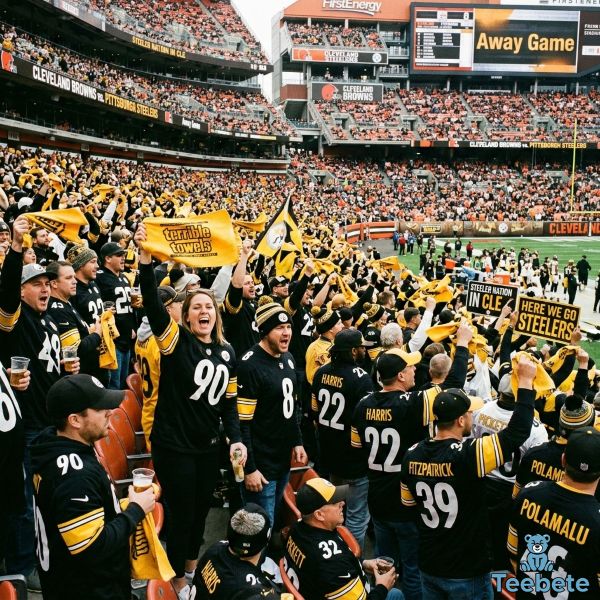
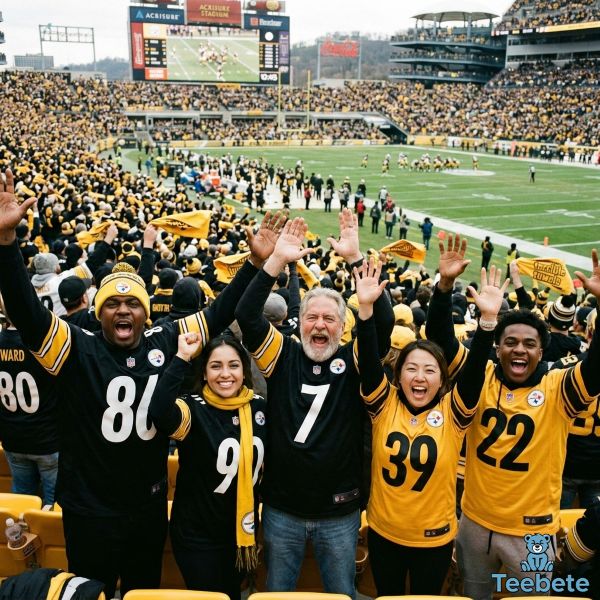
One of the most frequently discussed phenomena in the NFL is the tendency of Pittsburgh fans to show up in significant numbers at away games. Whether the Steelers are playing in Miami, Seattle, or Dallas, large sections of the stadium are typically filled with black and gold. This is not a coincidence or a logistical quirk. It is a direct reflection of how widely the fan base is distributed across the United States.
The Steelers have large and active fan communities in nearly every major American city. These communities are often organized around official or unofficial fan clubs that gather at local bars and community spaces to watch games together. When the Steelers come to town, these local fans have a reason to buy tickets and fill the visiting section.
The Terrible Towel tradition amplifies this visibility. When thousands of fans wave the towels simultaneously, the effect is striking and immediately recognizable on television. It signals to the rest of the country that Steeler Nation is present, organized, and passionate regardless of the venue.
The national identity of the team also plays a role. Because the Steelers are viewed as one of the premier franchises in the NFL, supporting them carries a certain prestige that attracts fans who might not have a direct geographic connection to Pittsburgh. Alumni communities, social media groups, and casual fans who were drawn in during a memorable playoff run all add to the overall numbers.
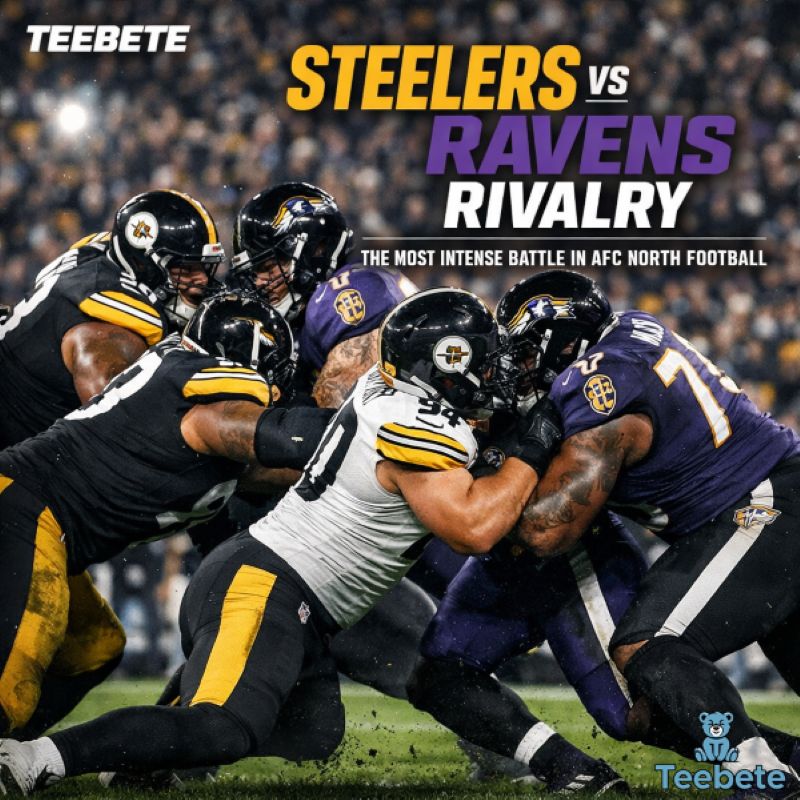
Fans traveling to games frequently showcase their team identity through items like a funny rivalry-themed fan shirt, reflecting the humor and competitive spirit that comes with NFL rivalries.
Symbols and Traditions That Define Steeler Nation
Every great fan community is built around shared symbols and rituals that create a sense of unity. Steeler Nation has developed a particularly rich set of traditions that connect fans to each other and to the team’s history.
The Terrible Towel Tradition
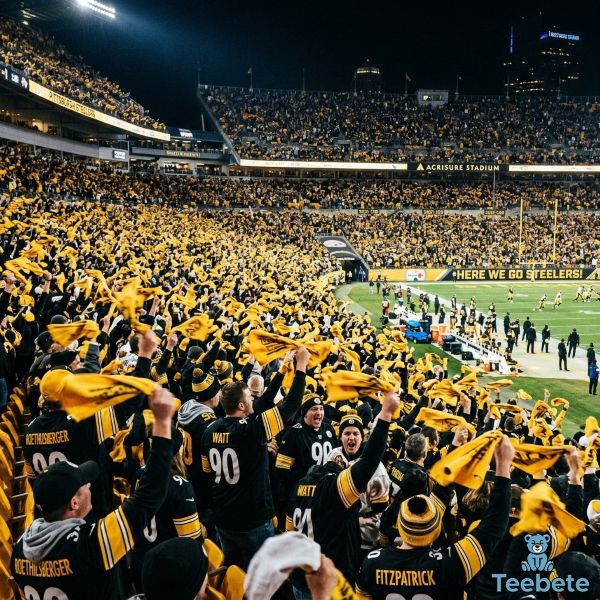
The Terrible Towel was introduced by radio broadcaster Myron Cope in 1975 as a rallying symbol for fans attending playoff games. It became an immediate success. Fans waved their gold towels at critical moments during games, and the image became one of the most recognizable sights in American sports.
Over the decades, the Terrible Towel has taken on additional meaning. It has been waved on the summits of mountains, carried into military deployments, and brought to Steelers games on every continent. It is sold in team stores and appears in thousands of photographs every season. For many fans, owning a Terrible Towel is the first act of joining Steeler Nation.
Black and Gold Colors
The combination of black and gold is immediately associated with Pittsburgh across all of its major sports teams. The Steelers, Pirates, and Penguins all share these colors, creating a unified visual identity for the city that is unlike any other market in American sports.
For Steelers fans, black and gold is more than a color scheme. It is a symbol of toughness, tradition, and belonging. Wearing these colors in a stadium, at a bar, or in an airport is an immediate signal to other fans. It prompts nods of recognition, brief conversations, and the small but meaningful experience of feeling connected to a large community.
Game Day Rituals
The culture of Steeler Nation extends well beyond the stadium. Tailgating outside Acrisure Stadium on game days has its own traditions and customs, with longtime attendees claiming their regular spots and welcoming newcomers into the ritual. Watch parties at bars and homes across the country follow similar patterns, with fans gathering hours before kickoff to share food, conversation, and anticipation.
Community gatherings organized around Steelers games often serve a social function that extends beyond football. For transplanted Pittsburgh residents, these events are a connection to home. For younger fans who grew up outside of Pennsylvania, they are an introduction to a culture that their families carry with pride.
For many supporters these traditions are also reflected in unique fan clothing such as a cartoon-themed football fan hoodie that combines popular culture with team pride.
The Role of Fan Identity in Modern Sports Culture
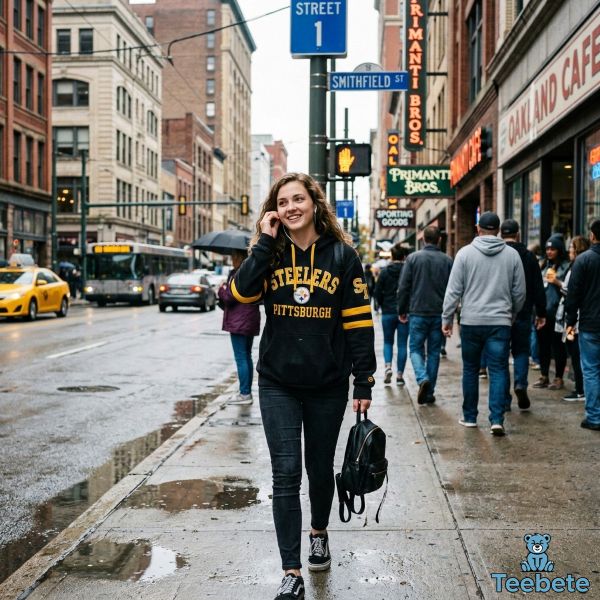
The concept of sports fandom has evolved considerably over the past few decades. Where once a fan’s relationship with a team was expressed primarily through attending games and watching broadcasts, today it encompasses a much broader range of personal expression and community participation.
Fan identity has become a genuine part of lifestyle for many supporters. The team they root for says something about who they are, where they come from, and what they value. This is particularly true for Steelers fans, whose connection to the team is often tied to family history, regional pride, and a sense of working-class identity that the franchise has long embodied.
Sports apparel has become one of the primary ways fans express and reinforce this identity. Wearing team colors in everyday settings, not just on game days, signals belonging and invites connection with other members of the community. A Steelers jersey or hoodie worn at a grocery store in Phoenix might prompt a conversation between two people who otherwise have nothing in common but a shared loyalty to Pittsburgh football.
Social media has expanded the concept of Steeler Nation in important ways. Online communities allow fans spread across the globe to share reactions to games in real time, debate roster decisions, celebrate victories, and support each other through disappointing losses. Geographic isolation from Pittsburgh no longer means isolation from the fan community.
Within the broader fan merchandise landscape, brands like Teebete help supporters celebrate their loyalty through creative fan apparel and themed designs inspired by the culture of Pittsburgh football.
Fans looking for creative ways to express their loyalty often explore collections featuring creative Pittsburgh football fan designs inspired by the team’s long-standing traditions.
How Many Fans Are in Steeler Nation
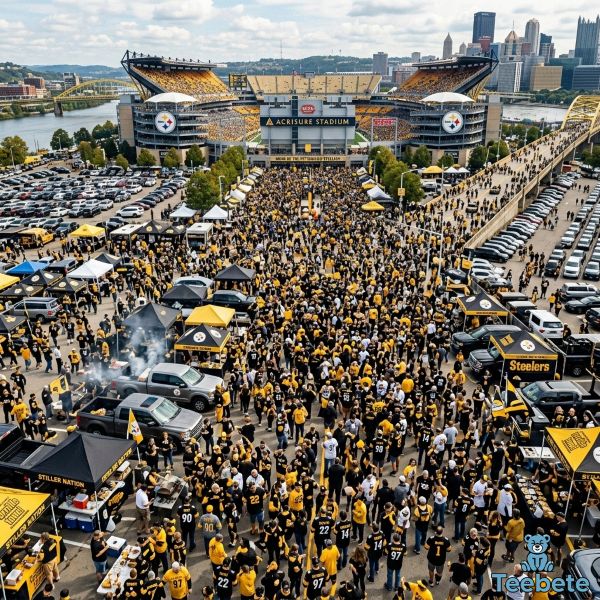
Steeler Nation is not a small community. The Pittsburgh Steelers consistently rank among the top NFL franchises in national fan reach and merchandise sales, a position they have held for decades. Surveys and market research have repeatedly placed the Steelers among the three most popular teams in America by total fan count, with estimates suggesting tens of millions of supporters across the country.
The evidence is visible in several concrete ways. The Steelers routinely sell out road venues with visiting fans, a phenomenon that draws regular comment from opposing coaches and stadium staff. Their merchandise moves in markets that have no geographic connection to Pittsburgh. Their social media communities number in the millions and include members from dozens of countries.
Part of this scale comes from the breadth of the diaspora. When Pittsburgh’s industrial economy contracted in the 1970s and 1980s, roughly one in three residents eventually relocated to other parts of the country, according to historical demographic estimates. Each of those families carried the black and gold with them, and each new generation added to the total.
The Steelers also benefit from a kind of secondary adoption, where fans drawn in by the team’s championship history or the appeal of legendary players become loyal supporters over time. The result is a fan base that combines deep roots with constant growth, a combination that makes Steeler Nation one of the most durable communities in professional sports.
Why the Term Steeler Nation Still Matters Today
Decades after it first entered common use, the phrase Steeler Nation remains as relevant as ever. This is partly because the Pittsburgh Steelers continue to be one of the most recognizable and respected franchises in professional football, with a roster of retired legends and a history of sustained success that few organizations can claim.
But the phrase endures for deeper reasons as well. It captures something true about the nature of this particular fan community. The idea that a fan base can function as a nation, with its own symbols, traditions, values, and sense of shared identity, resonates because it accurately describes the experience of being a Steelers supporter.
For fans who grew up far from Pittsburgh, Steeler Nation is the community they belong to. It is the group that understands their passion, shares their rituals, and connects them to something larger than themselves. The phrase gives form to an experience that would otherwise be difficult to describe.
The Steelers’ fan base continues to grow as each new generation inherits the allegiance of the one before it and as new fans around the world are drawn in by the team’s reputation and tradition. Social media and global broadcasts have extended the reach of that community to countries where American football was barely known a generation ago.
Steeler Nation is not defined by geography. It is defined by the pride you carry for the black and gold, wherever you happen to be standing when the game begins.
Conclusion
The phrase Steeler Nation reflects one of the strongest and most genuinely widespread fan identities in professional sports. Its roots reach back to a dynasty built in the 1970s, spread through the movement of working families across America, and deepened through generations of loyalty passed from parents to children.
The name represents fans spread across cities, states, and countries who share a common allegiance and a common set of traditions. From the wave of a Terrible Towel to the sight of black and gold in an unexpected place, the signs of Steeler Nation are everywhere.
Being part of Steeler Nation has never been about your zip code. It is about the pride you carry for the team, the connection you feel to a community built on loyalty, and the tradition that reminds you, no matter where you are, exactly where your heart belongs.
Common Questions About Steeler Nation
Are Steelers fans called Steeler Nation?
Yes. Pittsburgh Steelers fans are widely referred to as Steeler Nation, both by the fans themselves and by broadcasters, players, and media covering the NFL. The term has become the standard way to describe the team’s global community of supporters.
What does Steeler Nation mean?
Steeler Nation refers to the worldwide community of Pittsburgh Steelers fans who support the team regardless of location. The phrase represents loyalty, shared traditions, and the collective identity of the franchise’s supporters.
When did the term Steeler Nation start?
The phrase became popular during the late twentieth century as the Steelers gained national recognition through their Super Bowl success and expanding fan base.
Why are Steelers fans found all over the United States?
Many Pittsburgh residents moved to other parts of the country during industrial shifts in the twentieth century, bringing their team loyalty with them and helping the fan base grow nationally.
Are Steelers fans considered one of the largest fan bases in the NFL?
Yes. The Pittsburgh Steelers are widely regarded as having one of the largest and most loyal fan bases in professional football, with supporters attending games across the country.
Why do Steelers fans wave towels at games?
Fans wave the Terrible Towel as a symbol of unity and tradition. It has become one of the most recognizable fan rituals in American sports.

Hi, I’m Mia Wilson. I’m a journalist and content creator based in New York with over six years of experience covering sports, holidays, fan culture, and community events across the United States. I focus on exploring team histories, traditions, celebrations, and the broader impact of sports and cultural events on local communities. I’m passionate about providing accurate, engaging, and educational content for readers of all ages, helping them understand the stories, experiences, and events that make sports and celebrations so meaningful.