A Complete Guide to Pittsburgh Steelers Fan Shirts and T Shirts
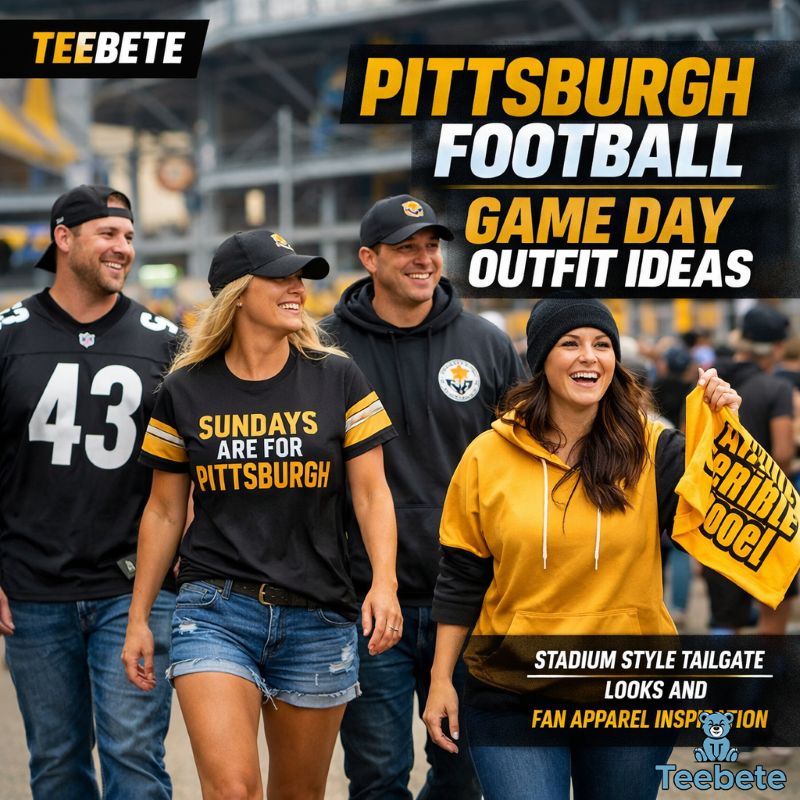
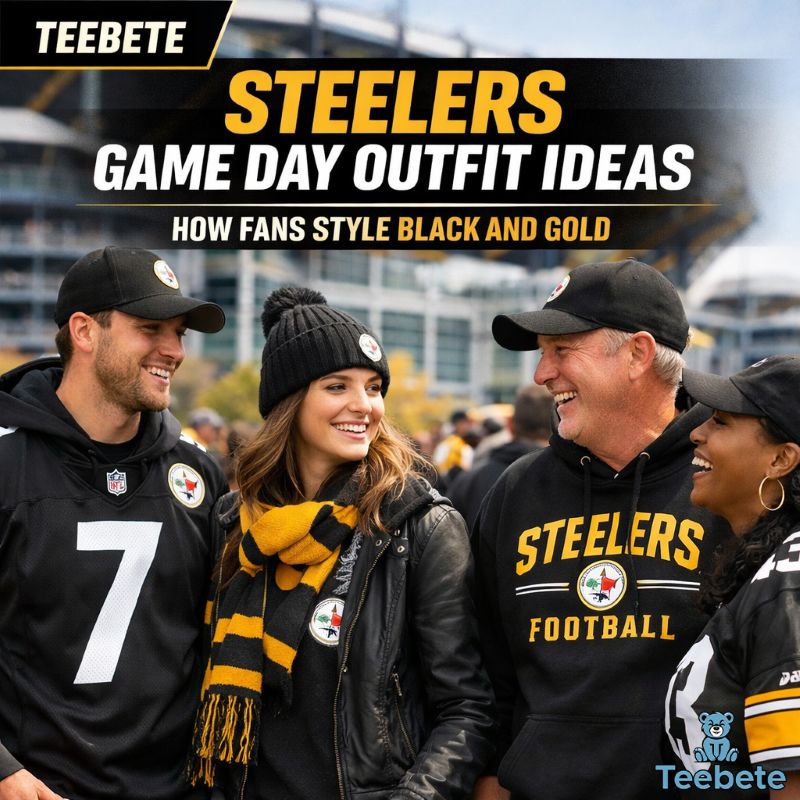
Pittsburgh Steelers shirts are more than just clothing. For millions of fans across the country, they represent team loyalty, a sense of community, and a shared game day culture that goes far beyond the stadium. Whether you are rocking a classic black and gold logo tee on a Sunday afternoon or wearing a vintage throwback to a watch party, your shirt says something about who you are as a fan.
The world of Steelers fan apparel is broader than many people realize. Fans today have access to classic logo shirts, player name and number tees, vintage designs, humorous fan shirts, holiday themed apparel, and specialty pieces that blend fandom with personal causes. With so many options available, choosing the right shirt can feel overwhelming.
This guide is designed to help fans at every level understand the different types of Steelers shirts available, what makes each style worth wearing, and how to choose the right one for game day, everyday use, or gifting.
Explore the full range of Pittsburgh Steelers fan apparel collections to see what is available across all styles and occasions.
Why Pittsburgh Steelers Fan Shirts Are So Popular
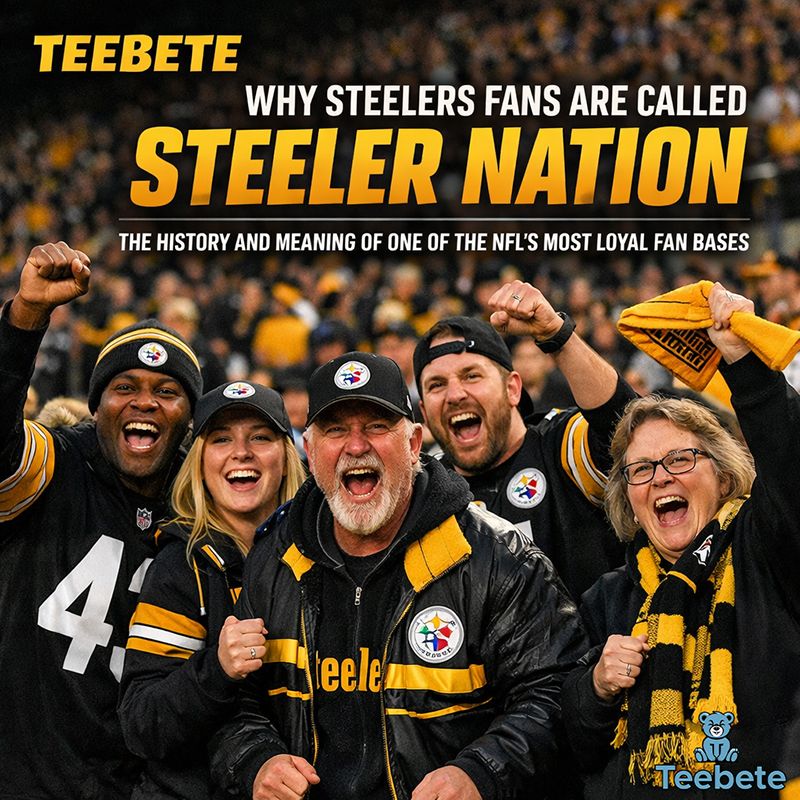
Few NFL franchises command the kind of loyalty that Pittsburgh brings. Steelers Nation is not just a nickname. It is a way of life for fans who grew up watching this team compete, win Super Bowls, and build a legacy that spans decades.
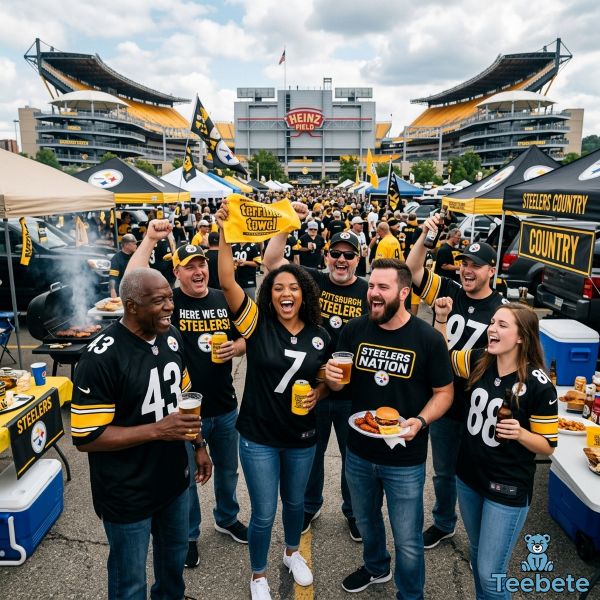
The black and gold color identity is one of the most recognizable in professional sports. When you walk into a stadium or a local bar on game day wearing those colors, there is an instant sense of belonging. Fan shirts are the simplest and most visible way to express that connection.
Beyond the cultural identity, Steelers football shirts are popular for very practical reasons. They are affordable compared to jerseys. They are versatile enough to wear at the stadium, at a tailgate, around the house, or even to run errands. They come in a massive range of styles, fits, and graphics, making them accessible to fans of every age and personality.
Fan shirts are also the most democratic form of Steelers fan gear. You do not need to spend hundreds of dollars on replica jerseys to show your allegiance. A well-designed Steelers merch tee communicates exactly where your loyalties lie.
Discover more fan gear styles in the Steelers themed football fan apparel collection.
How Steelers Shirts Became Part of Fan Identity
The relationship between Pittsburgh fans and their team goes deeper than most sports rivalries. The Steelers were built in a working-class city with a blue-collar identity, and that spirit transferred directly into the culture of the fan base. Wearing Steelers fan gear was never just a fashion statement. It was a declaration of values: toughness, loyalty, and the kind of community pride that does not need to be performed for outsiders.
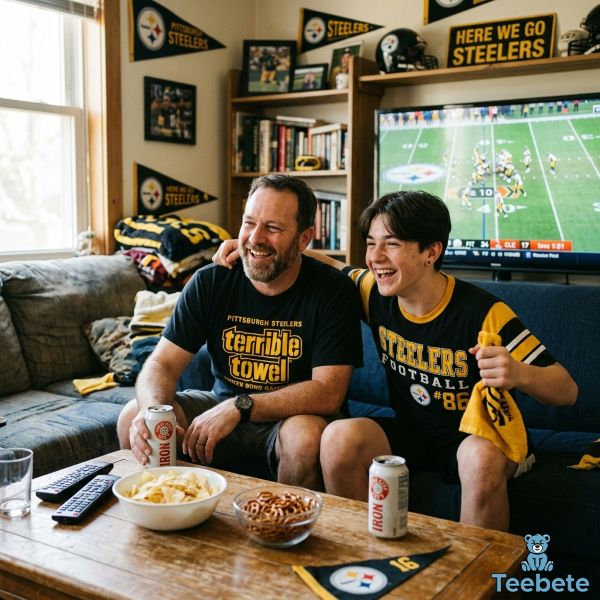
In the early decades of NFL fan culture, fan shirts were simple and functional. They were souvenirs picked up at the stadium or in local shops. Over time, the variety expanded as demand grew and printing technology improved. What started as a basic logo on a cotton shirt evolved into a full spectrum of apparel styles covering humor, nostalgia, personal expression, and seasonal themes.
Today, Steelers fan shirts carry cultural weight that goes well beyond game day. They show up at family reunions, holiday gatherings, casual street looks, and online fan communities. They are worn by fans who have never set foot in Pittsburgh but who carry the same black and gold identity because fandom travels across geography.
This is why Steelers shirts have outlasted every other form of fan merchandise in terms of consistent demand. They are not collectibles that get put on a shelf. They are wearable expressions of a living, ongoing identity that gets passed down from generation to generation within Steelers households.
The Most Common Types of Pittsburgh Steelers Fan Shirts
The variety of Steelers t shirts available today reflects just how diverse the fan base has become. Here is a breakdown of the most popular categories fans reach for.
Classic Logo Steelers Shirts
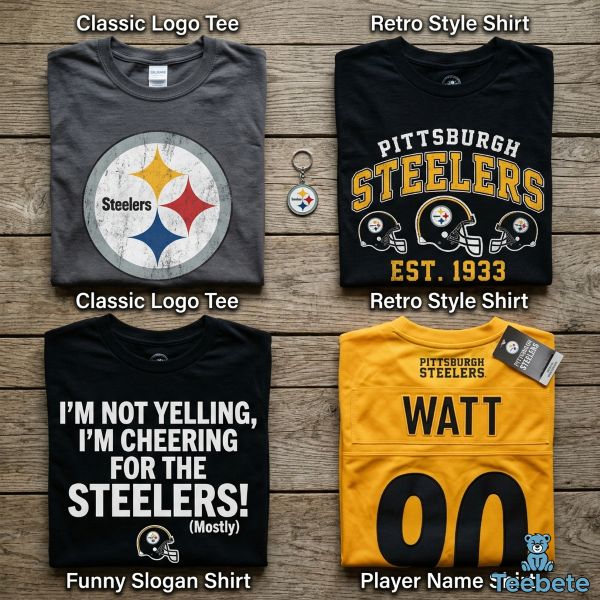
The classic logo shirt is the backbone of any fan wardrobe. These tees feature the iconic Steelers helmet, the team wordmark, or the black and gold color block in clean, simple designs. There is no noise, no clutter, just a direct statement of loyalty.
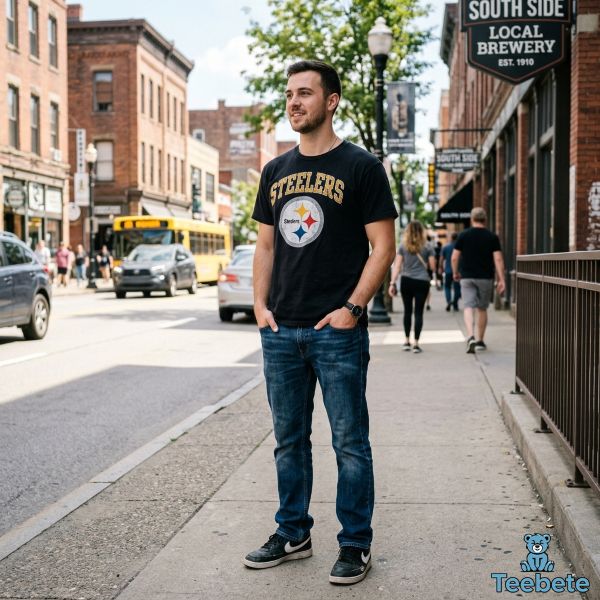
Classic logo shirts are popular because they work in almost any context. They are easy to pair with jeans, shorts, or joggers. They do not require explanation or conversation because the design speaks for itself. For fans who prefer understated fan expression, a clean logo tee is the go-to choice year after year.
These shirts also tend to have the longest style life. Because they avoid trendy graphics or topical references, they remain relevant and wearable across multiple seasons without feeling dated.
Player Name and Number Shirts
Player shirts allow fans to represent their favorite athletes without committing to a full jersey. These tees typically feature a player’s last name and number in a bold format inspired by on-field uniforms.
What separates a player shirt from a jersey is price, comfort, and versatility. Player tees are lighter, more breathable, and far more casual than traditional jerseys. They are ideal for fans who want to support a specific player while still wearing something comfortable enough for everyday use.
These shirts also carry an emotional dimension. Wearing a favorite player’s name can feel like a personal tribute, whether that player is currently on the roster or a legend from Steelers history.
Vintage and Retro Steelers Shirts
Throwback culture is thriving in sports fan apparel, and Steelers shirts are no exception. Vintage and retro designs draw on the aesthetic of earlier decades, featuring worn-in graphics, faded color palettes, and design styles that evoke the team’s storied past.

These shirts appeal especially to longtime fans who have personal memories tied to specific eras of Steelers football. They also attract younger fans who appreciate the nostalgic look as a style statement, separate from any particular emotional connection to the era being referenced.
Retro Steelers tees tend to feel more artful and considered than standard fan shirts. The design restraint, combined with the historical reference, creates a look that works both at the game and in casual street style settings.
Funny Steelers Fan Shirts
Not every fan expresses their loyalty through serious devotion. For many fans, game day is about humor, trash talk, and friendly rivalry. Funny Steelers fan shirts lean into that energy with bold slogans, joke-driven graphics, and references to longstanding rivalries in the AFC North.
These shirts are conversation starters. They work especially well at tailgates, watch parties, and any gathering where the crowd already has some football knowledge to appreciate the joke.
Fans who enjoy bold fan humor sometimes look for designs similar to the funny Steelers fan rivalry shirt that make no attempt to be subtle about team pride.
Cotton vs Performance Fabric for Steelers Game Day Shirts
Fabric choice is one of the most overlooked decisions when buying a Steelers game day shirt, yet it has a direct impact on comfort and wearability across different settings.
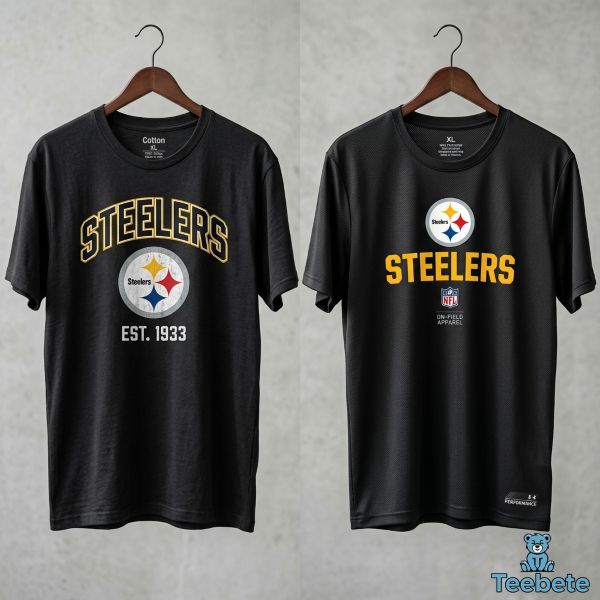
100% cotton is the classic choice for casual fan tees. It is soft against the skin, holds color well over time, and washes easily without special care. Cotton shirts work well for everyday wear, watch parties at home, or casual game day outfits in mild weather. The main limitation of cotton in a stadium environment is that it absorbs moisture and does not dry quickly, which can become uncomfortable during summer preseason games or warm September afternoons.
Cotton-polyester blends offer a middle ground. These shirts maintain the softness of cotton while adding some stretch and moisture resistance from the polyester content. They are lighter than pure cotton and tend to hold their shape better after multiple washes. Most fan apparel in the mid-range price point uses a blend, typically 60% cotton and 40% polyester or a 50-50 split.
Performance fabrics such as moisture-wicking polyester are built for active wear. They pull sweat away from the body and dry quickly, making them the best choice for outdoor tailgates in warm weather, stadium seating with limited airflow, or fans who tend to run warm during high-energy games.
When choosing fabric for best Steelers shirts, match the material to the environment where you will wear the shirt most. A fan who attends outdoor games in late summer benefits from performance fabric. A fan who mostly watches from home or attends indoor events will find cotton or a blend far more comfortable for extended wear.
Game Day Shirts vs Everyday Steelers Shirts
Not all Steelers shirts are built the same way, and understanding the difference between game day apparel and everyday fan shirts can help you build a more well-rounded wardrobe.

Game day shirts are designed to make a statement. They tend to feature bolder graphics, louder messaging, and higher contrast designs that stand out in stadium crowds. Some include slogans specifically tied to the game day atmosphere, phrases that would feel out of place at a Monday morning work meeting but are perfect screamed across a tailgate lot.
Everyday Steelers shirts, on the other hand, lean toward wearability. Clean logos, softer fabrics, and more neutral design choices make them easy to incorporate into daily outfits without broadcasting constant fan intensity. These shirts work well for fans who want to carry their team identity into non-football contexts without making it the centerpiece of every outfit.
Comfort and breathability also factor into the decision. Game day shirts often prioritize visibility over comfort, while everyday shirts tend to use softer cotton blends that hold up well through repeated washes.
For fans who want something more expressive than a standard tee, some explore designs like the black and gold Steelers aloha fan shirt that blend team identity with a relaxed, distinctive aesthetic.
Best Steelers Shirts for Different Types of Fans
Not every Steelers fan is the same, and the best shirt depends heavily on the kind of fan you are. Here is a breakdown to help match the right style to the right personality.
Best Steelers Shirts for Tailgates
Tailgate fans need shirts that can take on a full afternoon of outdoor energy. Bold graphics, high-contrast black and gold designs, and slogans that invite interaction are all strong choices. Funny rivalry shirts work especially well here because they spark conversations and set a competitive game day tone before kickoff.
For tailgate wear, prioritize a relaxed fit that allows freedom of movement and a fabric that handles food, drinks, and outdoor heat without becoming uncomfortable over a four to five hour pre-game window.
Best Steelers Shirts for Everyday Wear
Fans who want to wear their team identity from Monday to Saturday need shirts that work in ordinary settings. Clean logo tees in classic black or gold, player name shirts with a minimal layout, and retro designs with muted graphics all integrate naturally into everyday casual outfits.
The best everyday Steelers fan apparel avoids graphics that are too loud or occasion-specific. A shirt that works at a coffee shop, a weekend errand run, or a casual dinner with friends delivers far more value than a piece that only comes out on Sundays.
Best Steelers Shirts for Gifts
Choosing a Steelers shirt as a gift requires thinking about the recipient more than your own preferences. Humor-driven fans love rivalry shirts and bold slogan tees. Nostalgic fans tend to appreciate vintage or retro designs that reference specific championship eras. Fans with a personal cause or milestone will often treasure a personalized or specialty shirt more than any generic option.
When in doubt, a classic logo tee in the fan’s preferred fit is always a safe and appreciated gift. It is the most universally wearable option across the entire range of Steelers fan gear.
Seasonal and Holiday Steelers Shirts
Fan apparel does not stop when the final whistle blows in January. For many fans, Steelers gear is a year-round lifestyle, and seasonal apparel keeps that connection alive through the offseason and holiday months.
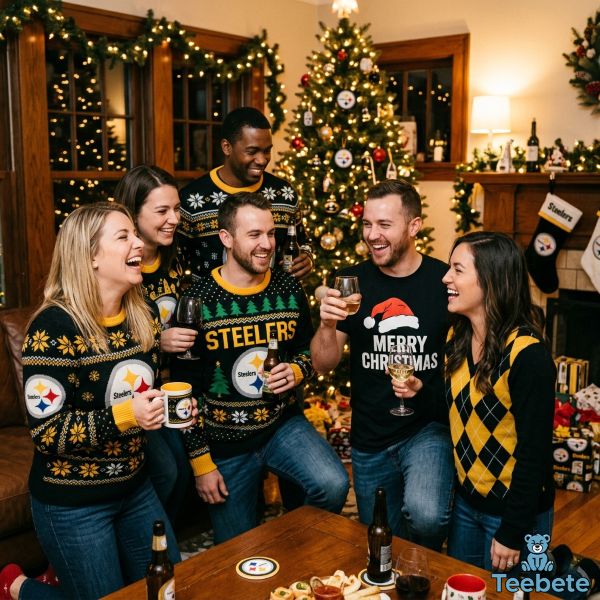
Holiday themed Steelers shirts and sweaters have grown significantly in popularity over the past few years. Christmas-themed fan apparel lets fans merge two major seasonal traditions: team loyalty and holiday celebration. These pieces are popular at family gatherings, holiday parties, and Secret Santa exchanges where the recipient is a known football fan.
There is also something genuinely fun about wearing team colors at a holiday event. It keeps the football spirit alive when the season has wound down and signals to other fans in the room that you have not moved on quite yet.
Beyond Christmas, seasonal designs can include fall and autumn themed apparel that bridges the transition between summer and football season, keeping fans engaged before kickoff week arrives.
Holiday themed apparel has grown in popularity, especially items similar to the Steelers holiday ugly Christmas sweater that have become a staple at fan gatherings during the winter months.
Specialty Steelers Shirts That Represent Personal Causes
Some fans want their apparel to do more than show team loyalty. Specialty and personalized Steelers shirts allow fans to combine their love of the team with personal causes, family milestones, and awareness campaigns that carry deep meaning.
These shirts often feature custom name or number additions alongside team branding. They are popular as gifts, memorial pieces, or personal statement items that mark a specific connection between football fandom and something more intimate.
Awareness-themed fan apparel has grown as fans increasingly look for ways to express multiple aspects of their identity through a single piece of clothing. A shirt that honors a loved one, supports a charitable cause, or raises awareness for a medical condition while still flying team colors accomplishes something that a standard logo tee cannot.
This category is particularly popular in online fan communities where personal stories drive purchasing decisions more than any advertising campaign could.
Some fans choose designs that combine fandom with advocacy such as the Steelers autism awareness personalized hoodie that allows fans to show both team pride and personal values simultaneously.
How to Choose the Right Pittsburgh Steelers Fan Shirt
With so many options available, narrowing down your choice requires thinking through a few key factors before purchasing.
Fit and Comfort
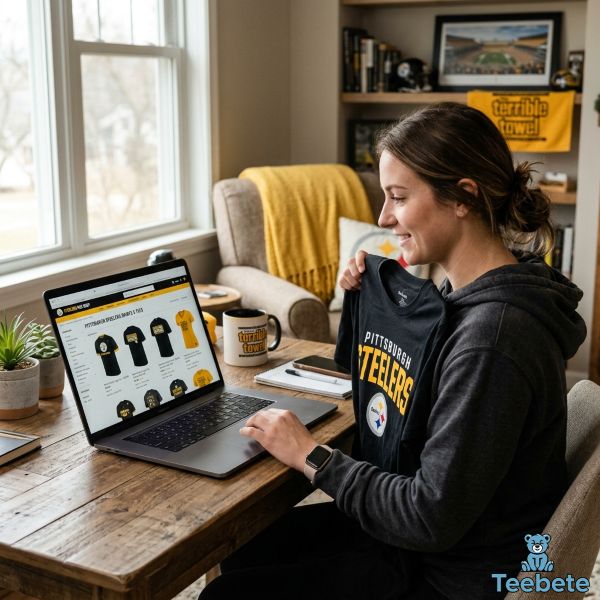
Start with the basics. Cotton tees offer softness and breathability for casual everyday wear. Performance fabrics work better for active use or hot weather game days when moisture management matters. Consider whether you want a relaxed fit or something more tailored, and check sizing guides carefully since fan apparel sizing varies across brands.
Design Style
Decide how bold you want to go. Minimal designs with clean logos offer versatility across contexts. Bold graphics with large text or elaborate artwork make a stronger statement but work best in specific settings. Think about where you will actually wear the shirt most often before committing to a design direction.
Occasion
Match the shirt to the situation. A loud, humorous shirt designed for tailgate energy will feel out of place in a casual weekday setting. A clean logo tee that works Monday through Friday may not feel spirited enough for a playoff watch party. Having a few options across different design intensities gives you the flexibility to dress for any occasion.
Fan Personality
Consider what type of fan you are. Serious fans often gravitate toward clean, classic designs that reflect respect for the team’s history. Humor-driven fans lean toward shirts with slogans and rivalry jokes. Retro collectors want throwback aesthetics and vintage-inspired graphics.
Fans who enjoy dramatic fan art sometimes gravitate toward designs similar to the dark themed Steelers fan graphic shirt that push the visual energy further than a standard logo tee would allow.
Our Perspective as a Fan Apparel Brand
Fan apparel should do more than slap a logo on a shirt and call it team spirit. As a brand focused on creative fan gear, we at Teebete believe Steelers shirts should help fans express identity, humor, and loyalty in ways that feel personal and genuine.
The best fan apparel is not just licensed graphics applied to a generic template. It is design that captures the emotional side of being part of Steelers Nation, the pride, the humor, the rivalry, the nostalgia, and the deep personal connections that football fans carry with them across a lifetime of following their team.
We are committed to building a catalog that reflects the full range of what Steelers fans actually want to wear, from serious collector pieces to shirts that make the whole room laugh on first sight.
Why Steelers Fan Shirts Remain a Core Part of NFL Fan Culture
Some forms of fan expression come and go. Foam fingers, rally towels, and novelty items cycle in and out of fashion. But the fan shirt has remained constant across every decade of NFL history because it solves a fundamental human need: the desire to belong to something larger than yourself and to show that belonging visibly.
The Pittsburgh Steelers have given fans an extraordinary amount to celebrate. Six Super Bowl championships, legendary coaches, hall-of-fame players, and a tradition of toughness and resilience that reflects the identity of the city itself. Wearing a Steelers shirt is a way of carrying that history on your body every time you walk out the door.
Fan shirts are also the simplest and most accessible form of team merchandise. They scale across ages, income levels, and geographic distances. A fan in Pittsburgh wears the same black and gold as a fan in California, Japan, or Germany. The shirt is the universal language of Steelers Nation.
Explore the styles that fit your personality and let your apparel do the talking on and off game day.
Questions Fans Often Ask When Choosing Steelers Fan Shirts
What makes a good Steelers fan shirt for game day?
The best game day shirt combines bold, visible design with comfortable wear. Look for shirts that feature strong black and gold color contrast, clear team identification, and graphics that will stand out in a crowd. Breathable fabric is a plus if you are spending several hours outdoors at the stadium or at a tailgate. Performance fabric blends are particularly well-suited for warm weather games where moisture management becomes a priority.
Are vintage Steelers shirts popular among fans?
Yes, vintage and retro Steelers shirts have built a strong following among fans who want something different from a standard current-season design. The throwback aesthetic appeals to longtime fans with personal memories of earlier Steelers eras and to younger fans who appreciate the nostalgic look as a style choice. Worn-in graphics and era-specific design cues make these shirts feel more personal than a generic logo tee.
What colors are most common in Steelers fan apparel?
Black and gold are the defining colors of Steelers fan apparel. Most shirts feature one or both of these colors as the primary palette, often combined with white for contrast. Some specialty or holiday designs introduce additional colors while still anchoring the design in the team’s iconic black and gold identity.
Can Steelers fan shirts be worn outside football season?
Absolutely. Steelers fan shirts are not limited to the football calendar. Classic logo tees, vintage designs, and clean graphic shirts integrate easily into everyday casual wardrobes year-round. Many fans treat their Steelers shirts the same way they would any other casual tee, wearing them through spring, summer, and fall without any specific connection to game day.
What type of Steelers shirt makes a good gift?
The best gift choices depend on the recipient’s personality. Humor-driven fans tend to love rivalry shirts and funny slogan designs. Longtime fans often appreciate vintage or retro designs that reference specific eras they have personal memories of. For fans with a personal cause or milestone to honor, personalized or specialty apparel that blends team loyalty with individual meaning tends to be the most memorable gift option.
What is the difference between Steelers fan shirts and official jerseys?
Fan shirts offer a more casual, affordable, and versatile alternative to official jerseys. Jerseys are designed to replicate on-field uniforms with heavier materials and structured construction. Fan shirts use lighter fabrics, come in a much wider range of graphic styles, and are far easier to wear in non-game contexts. For fans who want to show team pride in everyday situations, fan shirts deliver far more flexibility than a formal jersey ever could.

Hi, I’m Mia Wilson. I’m a journalist and content creator based in New York with over six years of experience covering sports, holidays, fan culture, and community events across the United States. I focus on exploring team histories, traditions, celebrations, and the broader impact of sports and cultural events on local communities. I’m passionate about providing accurate, engaging, and educational content for readers of all ages, helping them understand the stories, experiences, and events that make sports and celebrations so meaningful.