What Is 100 Cotton Fabric Properties, Benefits and Care Guide
When shopping for quality textiles, understanding what is 100 cotton fabric can make all the difference in your purchasing decisions. This comprehensive guide explores everything you need to know about 100 percent cotton fabric—from its unique properties to proper care techniques.
Understanding 100 Cotton Fabric
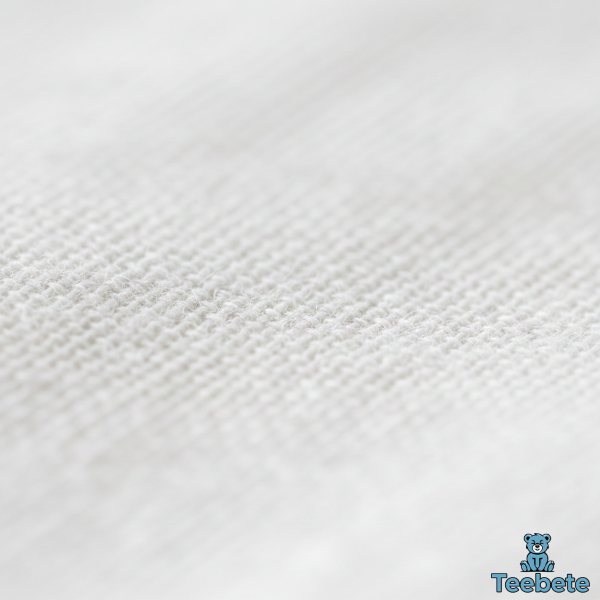
100 cotton fabric is a textile made entirely from natural cotton fibers, without any synthetic blends or additives. This pure cotton fabric comes from the cotton plant’s seed fibers, which are spun into yarn and woven or knitted into various fabric types.
According to the Cotton Incorporated Lifestyle Monitor, cotton remains the most trusted fiber among consumers, with 87% of people worldwide preferring cotton textile over synthetic alternatives. This preference stems from cotton’s natural breathability, comfort, and sustainability.
What Makes Cotton Material 100 Percent Pure?
For a fabric to be labeled as 100 cotton, it must contain only cotton fibers with no polyester, rayon, or other synthetic materials mixed in. The Federal Trade Commission’s Textile Fiber Products Identification Act requires manufacturers to accurately disclose fiber content, ensuring consumers get genuine cotton fabric material when they purchase products labeled as pure cotton.
Here’s the part most people don’t realize: even within 100 percent cotton fabric, quality can vary significantly based on the cotton variety, thread count, and manufacturing process. Teebete sources only premium long-staple cotton varieties to ensure superior durability and softness in our fabric collections.
Key Properties of 100 Cotton Fabric
Understanding the characteristics of cotton fabric cotton helps you appreciate why this natural fiber cotton has remained popular for centuries.
Breathability and Moisture Absorption
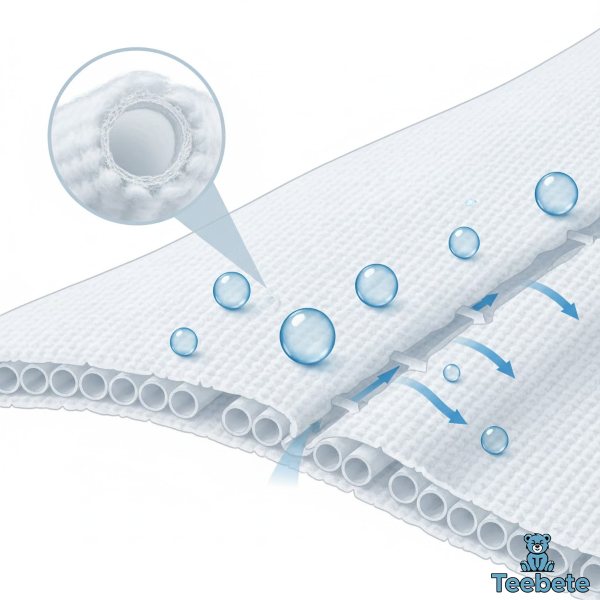
One of the most remarkable properties of 100 cotton fabric is its exceptional breathability. Cotton fibers are hollow, allowing air to circulate freely and helping regulate body temperature. Research from North Carolina State University’s College of Textiles shows that cotton can absorb up to 27% of its weight in moisture while still feeling dry to the touch.
This moisture-wicking property makes cotton fabric for clothing ideal for:
- Athletic wear and activewear
- Bedding and sleepwear
- Summer clothing
- Children’s garments
- Medical textiles
Softness and Comfort
Soft cotton fabric provides unmatched comfort against the skin. Unlike synthetic materials that can feel scratchy or clingy, cotton textile becomes even softer with each wash. The natural fiber structure creates a gentle texture that doesn’t irritate sensitive skin.
From our experience working with customers at Teebete, we’ve found that people who switch to 100 percent cotton fabric rarely go back to synthetic blends—the comfort difference is that noticeable.
Durability and Strength
Despite its softness, cotton material is remarkably durable. The International Cotton Advisory Committee notes that cotton fibers have a tensile strength that increases when wet, making 100 cotton fabric ideal for items that require frequent washing.
Quality 100 cotton fabric by the yard can last for years when properly cared for, making it a cost-effective choice in the long run. This is where things get tricky—cheaper cotton fabrics may pill or wear quickly, while premium cotton maintains its integrity through countless wash cycles.
Hypoallergenic Nature
Pure cotton fabric is naturally hypoallergenic, making it safe for people with sensitive skin or allergies. Unlike synthetic fibers that may contain chemical additives, natural fiber cotton poses minimal risk of skin irritation or allergic reactions.
Types of 100 Cotton Fabric
Not all 100 percent cotton fabric is created equal. Understanding the different types of cotton fabric helps you select the right material for your specific needs.
By Weave Structure

Plain Weave Cotton
The simplest and most common weave pattern creates a balanced, durable fabric ideal for everyday clothing and home textiles. Examples include muslin and percale.
Twill Weave Cotton
Characterized by diagonal ridges, twill weave produces durable cotton fabric cotton with a subtle sheen. Denim and chino are popular twill-weave cottons.
Satin Weave Cotton
This weave creates a smooth, lustrous surface perfect for luxurious bedding and formal garments. Cotton sateen is a popular example.
Knit Cotton
Instead of being woven, knit cotton fabric is created by interlocking loops, resulting in stretchy, comfortable material used in t-shirts and casual wear.
By Cotton Variety
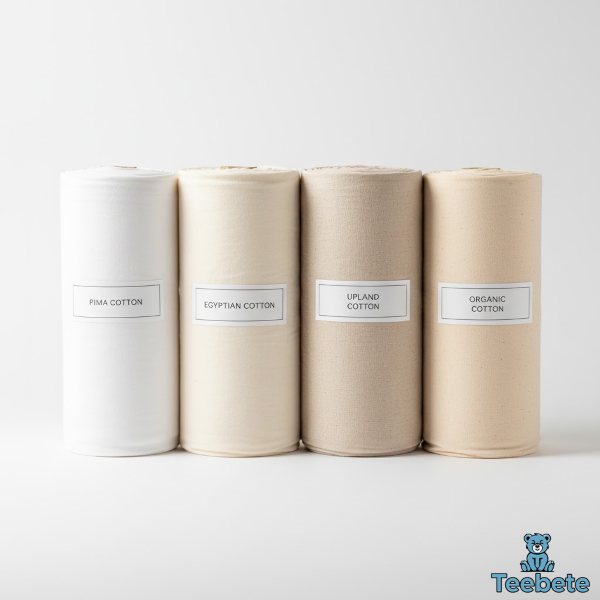
According to Cotton Australia, different cotton varieties produce distinct fabric characteristics:
Pima Cotton
Extra-long staple cotton known for exceptional softness and durability, primarily grown in the United States, Peru, and Australia.
Egyptian Cotton
Renowned as one of the finest cottons, with extra-long fibers that create luxuriously soft cotton fabric material.
Upland Cotton
The most widely grown cotton variety, offering good quality at accessible price points for everyday 100 cotton fabric.
Organic Cotton
Grown without synthetic pesticides or fertilizers, organic cotton fabric cotton appeals to environmentally conscious consumers.
By Weight and Texture
Lightweight Cotton Fabric
Thin, breathable materials like lawn, voile, and batiste are perfect for summer clothing and delicate projects.
Medium-Weight Cotton
Versatile fabrics like poplin, broadcloth, and Oxford are suitable for shirts, dresses, and light home décor.
Heavyweight Cotton
Durable materials like denim, canvas, and duck cloth excel in upholstery, bags, and sturdy garments.
Benefits of Choosing 100 Percent Cotton Fabric
In reality, most people overlook the comprehensive advantages that 100 cotton fabric offers beyond basic comfort.
Environmental Sustainability
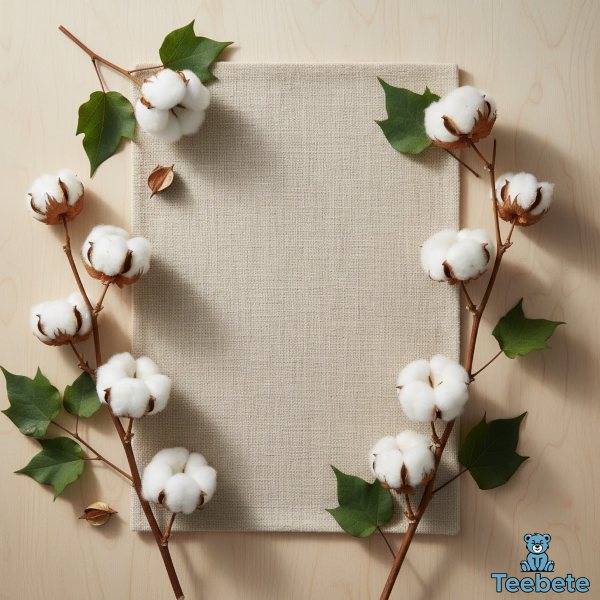
As a renewable resource, cotton material has a smaller environmental footprint than petroleum-based synthetic fibers. The Textile Exchange’s Preferred Fiber Market Report highlights cotton’s biodegradability—100 percent cotton fabric will naturally decompose, unlike synthetic fabrics that persist in landfills for decades.
Teebete is committed to sustainable sourcing practices, partnering with suppliers who prioritize water conservation and responsible farming methods in cotton production.
Versatility Across Applications
The adaptability of 100 cotton fabric makes it suitable for virtually any textile application:
- Fashion and apparel: From casual t-shirts to formal dress shirts
- Home textiles: Bedding, curtains, towels, and upholstery
- Medical uses: Bandages, surgical gowns, and hospital linens
- Industrial applications: Canvas tarps, tote bags, and protective wear
Easy Care and Maintenance
Unlike delicate synthetic blends requiring special handling, cotton fabric for clothing is straightforward to care for. Most 100 percent cotton fabric can be machine washed and dried, though proper techniques maximize longevity.
Cost-Effectiveness Over Time
While premium 100 cotton fabric by the yard may cost more initially than synthetic alternatives, its durability and timeless appeal provide better value over time. Quality cotton fabrics resist pilling, maintain color, and withstand repeated washing better than many blended materials.
Temperature Regulation
The breathable nature of cotton textile makes it comfortable year-round. In summer, it allows heat to escape; in winter, it can be layered effectively for warmth without causing overheating—a property that cotton blend fabric often struggles to match.
Disadvantages and Considerations
While 100 cotton fabric offers numerous advantages, understanding its limitations helps set realistic expectations.
Shrinkage Potential
Cotton material naturally shrinks when exposed to heat and moisture. According to Purdue University’s Textile Extension, untreated cotton can shrink 3-5% during the first wash. Many manufacturers pre-shrink 100 percent cotton fabric, but some shrinkage may still occur.
To minimize shrinkage:
- Wash in cold water
- Air dry or use low heat settings
- Purchase fabric slightly larger than needed for projects
Wrinkling Tendency
Pure cotton fabric wrinkles more easily than synthetic or cotton blend fabric containing polyester. While this natural characteristic reflects the fabric’s authenticity, it requires ironing or steaming for a crisp appearance.
Color Fading Over Time
The natural fibers in 100 cotton fabric are susceptible to color fading with repeated washing and sun exposure. High-quality dyes and proper care techniques help maintain vibrancy, but some gradual fading is inevitable.
Longer Drying Time
Compared to synthetic materials, cotton fabric material retains more moisture and takes longer to dry. This property, while beneficial for moisture absorption during wear, can be inconvenient when laundering.
Mildew Susceptibility
If stored damp, cotton textile can develop mildew and odors. Proper drying before storage is essential to maintain fabric integrity.
How to Care for 100 Cotton Fabric
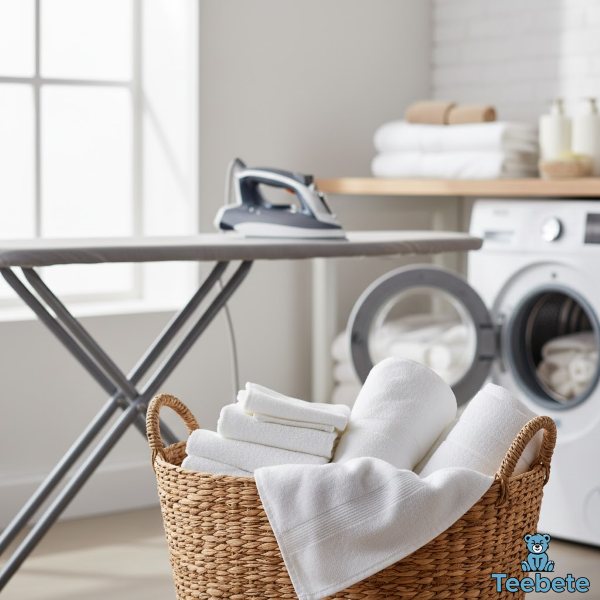
Proper maintenance ensures your 100 percent cotton fabric items remain beautiful and functional for years. Learning how to care for 100 cotton fabric isn’t complicated, but attention to detail makes a difference.
Washing Guidelines
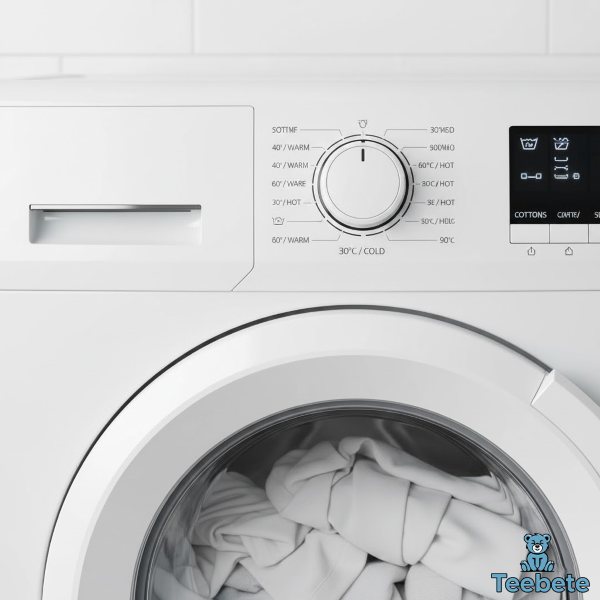
Pre-Wash Preparation
New 100 cotton fabric should be pre-washed before sewing or first use to account for shrinkage and remove manufacturing residues.
Water Temperature
- Dark colors: Cold water (prevents fading)
- Light colors: Warm water (maintains brightness)
- Whites: Hot water (removes stains and bacteria)
Detergent Selection
Use mild detergents without harsh chemicals. The American Cleaning Institute recommends pH-neutral detergents for preserving cotton fabric cotton integrity.
Machine Settings
Gentle or normal cycles work well for most 100 cotton fabric items. Delicate cotton textiles benefit from mesh laundry bags for protection.
Drying Best Practices
Air Drying
Line drying or flat drying prevents shrinkage and extends fabric life. This method is ideal for lightweight cotton fabric and garments prone to distortion.
Machine Drying
If using a dryer, remove cotton material while slightly damp to reduce wrinkles. Use low to medium heat settings to minimize shrinkage.
Avoiding Over-Drying
Excessive heat damages cotton fibers, causing brittleness and accelerated wear. Remove items promptly when dry.
Ironing and Steaming
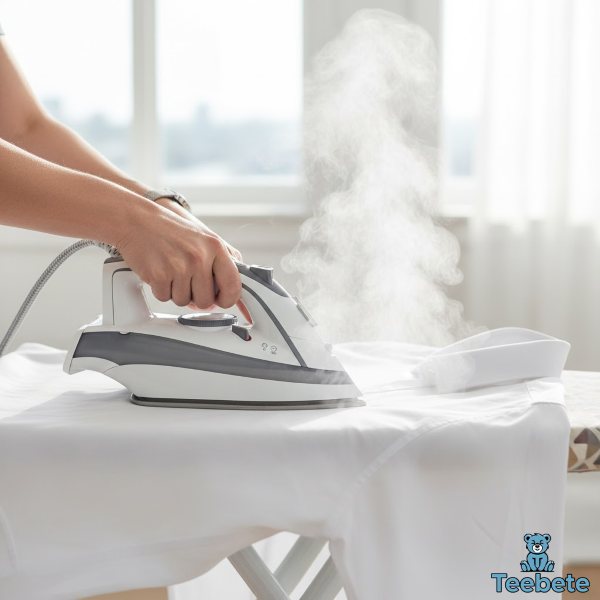
100 percent cotton fabric tolerates high heat, making ironing straightforward:
- Iron while slightly damp or use a steam setting
- Set iron to cotton/high heat setting
- Iron inside-out to protect colors and prints
- Use pressing cloths for delicate cotton textiles
Teebete recommends investing in a quality steam iron—it makes maintaining cotton fabric for clothing significantly easier.
Storage Recommendations
Proper storage protects your 100 cotton fabric investment:
- Store in cool, dry locations
- Ensure fabric is completely dry before storage
- Use breathable cotton bags rather than plastic
- Avoid direct sunlight to prevent fading
- Add cedar blocks or lavender sachets to deter moths
Stain Treatment
Address stains on cotton fabric material promptly for best results:
- Protein stains (blood, dairy): Cold water soak followed by enzyme detergent
- Oil-based stains: Pre-treat with dish soap or specialized stain remover
- Tannin stains (coffee, wine): Flush with cold water, then treat with detergent
- Dye transfer: Color remover products specifically designed for cotton textile
Quality Indicators: What to Look for When Purchasing
Knowing where to buy 100 cotton fabric and how to assess quality ensures you get the best value.
Thread Count Considerations
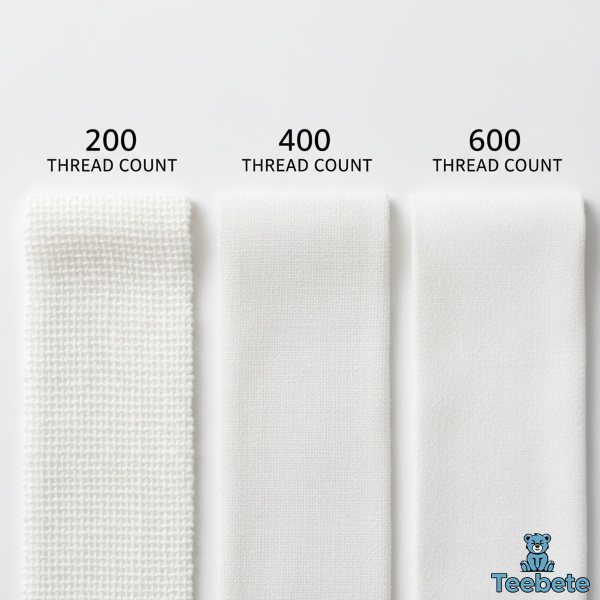
For woven 100 percent cotton fabric, thread count indicates density. Higher thread counts generally mean softer, more durable fabric, though extremely high counts (above 600) may involve deceptive marketing practices.
Quality ranges:
- 200-400: Good everyday cotton fabric
- 400-600: Premium soft cotton fabric
- 600+: Luxury cotton (verify authenticity)
Feel and Hand
Quality 100 cotton fabric should feel smooth and consistent without:
- Rough spots or irregularities
- Excessive stiffness (unless intended for the fabric type)
- Thin or weak areas
- Chemical odors
Color Consistency
Examine 100 percent cotton fabric by the yard for even dye distribution. Premium fabrics show consistent coloring without streaks or fading patterns.
Fiber Length Indicators
Longer staple fibers create superior cotton material. While you can’t always verify fiber length visually, reputable suppliers like Teebete provide detailed specifications about the cotton variety used.
Certification and Labels
Look for certifications that verify quality and ethical production:
- OEKO-TEX Standard 100: Tests for harmful substances
- GOTS (Global Organic Textile Standard): Verifies organic cotton fabric cotton
- Fair Trade Certified: Ensures ethical labor practices
- Better Cotton Initiative: Promotes sustainable cotton farming
Comparing 100 Cotton Fabric to Blends
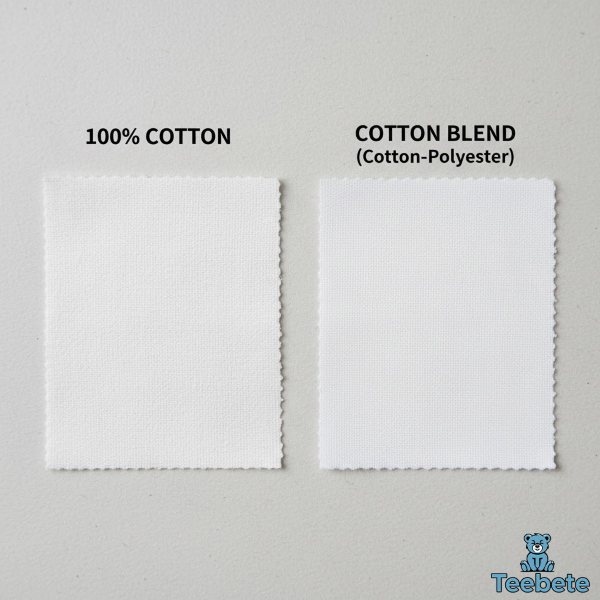
Understanding the difference between pure cotton fabric and cotton blend fabric helps you make informed choices.
100 Cotton vs. Cotton-Polyester Blends
Advantages of 100 Cotton Fabric:
- Superior breathability
- Better moisture absorption
- Softer feel
- More environmentally friendly
- Hypoallergenic properties
Advantages of Cotton-Polyester Blends:
- Less wrinkling
- Faster drying
- More color retention
- Lower initial cost
- Shape retention
When to Choose Each Option
Choose 100 Percent Cotton Fabric For:
- Bedding and sleepwear
- Baby clothing
- Athletic wear
- Towels and bath linens
- Sensitive skin applications
- Premium garments
Consider Cotton Blends For:
- Wrinkle-resistant work attire
- Travel clothing
- Budget-conscious projects
- High-durability applications
Performance Characteristics Comparison
| Property | 100 Cotton Fabric | Cotton Blend Fabric |
|---|---|---|
| Breathability | Excellent | Good |
| Softness | Superior | Moderate |
| Wrinkle Resistance | Low | High |
| Shrinkage | Higher | Lower |
| Moisture Absorption | Excellent | Moderate |
| Drying Time | Longer | Shorter |
| Environmental Impact | Lower | Higher |
| Cost | Higher (premium) | Lower |
Creative Applications and Project Ideas
The versatility of 100 cotton fabric by the yard makes it perfect for countless creative projects.
Fashion and Apparel
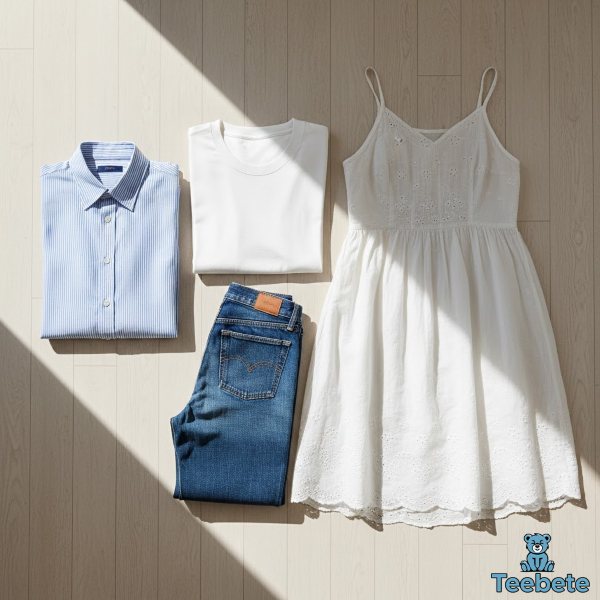
Everyday Clothing
Cotton fabric for clothing shines in casual wear—t-shirts, jeans, button-down shirts, and summer dresses all benefit from cotton’s comfort and breathability.
Formal Wear
Lightweight cotton fabric like broadcloth and lawn creates elegant shirts and blouses, while heavier cotton materials work for structured pieces.
Children’s Clothing
Parents consistently choose 100 percent cotton fabric for kids’ clothes due to its safety, comfort, and easy care properties.
Home Décor Projects

Bedding and Linens
Premium soft cotton fabric creates luxurious sheets, pillowcases, and duvet covers that improve sleep quality through superior breathability.
Curtains and Window Treatments
Cotton textile provides light filtering and aesthetic appeal while maintaining easy care.
Upholstery Applications
Heavyweight 100 cotton fabric offers durability for furniture coverings, though it may require additional treatments for stain resistance.
Quilting and Crafts
Quilters prefer 100 percent cotton fabric for its:
- Ease of cutting and piecing
- Minimal stretching during construction
- Beautiful drape in finished quilts
- Wide variety of prints and colors available
Accessories and Bags
Cotton material works wonderfully for:
- Tote bags and shopping bags
- Cosmetic pouches
- Bookbags and backpacks
- Wallets and small accessories
The Teebete Difference: Our Commitment to Quality Cotton
At Teebete, we understand that exceptional products start with exceptional materials. Our dedication to sourcing premium 100 cotton fabric reflects our commitment to customer satisfaction and sustainable practices.
Curated Selection Process
We partner exclusively with suppliers who meet rigorous standards for:
- Fiber quality and length
- Ethical labor practices
- Environmental responsibility
- Consistent quality control
Expert Guidance
Our team provides detailed information about each cotton fabric cotton product, helping customers select the perfect material for their specific needs. Whether you’re seeking 100 cotton fabric by the yard for a quilting project or premium fabrics for garment construction, we offer expert recommendations.
Quality Assurance
Every 100 percent cotton fabric in our collection undergoes thorough inspection to ensure it meets our exacting standards. We stand behind our products with customer-focused policies that prioritize your satisfaction.
Frequently Asked Questions
Is 100% cotton healthy to wear?
Yes, 100 percent cotton fabric is one of the healthiest textile choices for clothing. Cotton is naturally hypoallergenic, making it ideal for sensitive skin and individuals with allergies. Unlike synthetic fabrics that can trap heat and moisture, cotton material allows your skin to breathe, reducing the risk of skin irritation, rashes, and bacterial growth. The natural fibers don’t contain harsh chemicals found in some synthetic textiles, and cotton’s moisture-wicking properties help maintain a healthy skin environment. Medical professionals often recommend 100 cotton fabric for people with eczema, psoriasis, or other skin conditions.
What is 100% cotton fabric good for?
100 cotton fabric excels in numerous applications due to its versatility and beneficial properties. It’s ideal for clothing items like t-shirts, underwear, bed sheets, and activewear because of its breathability and comfort. Cotton textile works wonderfully for baby products and children’s clothing due to its safety and softness. In home applications, pure cotton fabric creates superior bedding, towels, curtains, and upholstery. The material is also excellent for quilting, craft projects, and accessories like tote bags. Medical facilities prefer 100 percent cotton fabric for bandages, gowns, and linens because it’s hypoallergenic and withstands repeated high-temperature washing.
What are the disadvantages of 100% cotton?
While 100 cotton fabric offers many benefits, it has some limitations to consider. The material tends to wrinkle easily, requiring ironing or steaming for a crisp appearance—a characteristic that cotton blend fabric reduces. Cotton material typically shrinks 3-5% during first wash unless pre-treated, necessitating size adjustments. It takes longer to dry than synthetic fabrics and can fade over time with repeated washing and sun exposure. Additionally, 100 percent cotton fabric may develop mildew if stored damp, and it lacks the stretch and shape retention of fabrics containing elastic fibers. The initial cost of premium cotton fabric cotton is often higher than synthetic alternatives.
Is 100% cotton a high quality?
Yes, 100 cotton fabric is generally considered high quality, though quality varies based on factors like cotton variety, thread count, and manufacturing processes. Premium 100 percent cotton fabric made from long-staple cotton varieties like Pima or Egyptian cotton represents some of the finest textiles available. The absence of synthetic fillers indicates a commitment to natural, breathable material that becomes softer with use. High-quality cotton fabric for clothing demonstrates consistent weave, even dyeing, and durable construction. However, not all cotton textile is equal—shorter staple lengths or lower thread counts produce lower-quality results. When purchasing, look for reputable brands that provide detailed specifications about their cotton material sourcing and production methods.
Does 100% cotton shrink?
Yes, 100 cotton fabric typically shrinks when exposed to heat and moisture, particularly during the first wash. Untreated cotton material can shrink 3-5% in both length and width, though many manufacturers now pre-shrink fabric to minimize this effect. The shrinkage occurs because cotton fibers relax from the tension applied during manufacturing, causing the fabric to contract. To minimize shrinkage, wash 100 percent cotton fabric in cold water and air dry or use low heat settings in the dryer. When sewing with cotton fabric by the yard, pre-washing before cutting is essential to account for shrinkage. Premium soft cotton fabric from reputable sources often undergoes treatments to reduce shrinkage potential.
How can you tell if fabric is 100% cotton?
Several methods help identify genuine 100 percent cotton fabric. The burn test is most reliable: cut a small swatch, ignite it safely, and observe—100 cotton fabric burns quickly with a yellow flame, smells like burning paper, and leaves fine gray ash that crumbles easily. Synthetic fibers melt, smell like plastic, and leave hard beads. Visual inspection reveals cotton’s matte appearance versus synthetic sheen. Cotton textile feels soft, breathable, and absorbs water readily, while synthetics often repel moisture. Check fabric labels—regulations require accurate fiber content disclosure. When purchasing from reputable suppliers like Teebete, detailed product descriptions and certifications verify authenticity. The wrinkle test also works: cotton material wrinkles easily when crushed, unlike wrinkle-resistant synthetic blends.
Can you iron 100 cotton fabric?
Yes, 100 cotton fabric not only tolerates ironing but often requires it to maintain a crisp appearance. Cotton material can withstand high heat settings without damage, making ironing straightforward. For best results, iron 100 percent cotton fabric while slightly damp or use a steam iron on the highest heat setting. Ironing inside-out protects colors and prints from direct heat exposure. The natural fibers in cotton textile respond well to heat and moisture, allowing wrinkles to smooth effectively. Unlike synthetic fabrics that can melt under high heat, pure cotton fabric cotton withstands temperatures that thoroughly remove creases. Use a pressing cloth on delicate or dark-colored cotton fabrics for extra protection. This heat tolerance makes cotton fabric for clothing easier to maintain professionally than many synthetic alternatives.
What is the best way to wash 100% cotton?
The best approach to washing 100 cotton fabric combines gentle treatment with effective cleaning. Sort items by color—wash darks in cold water to prevent fading, lights in warm water, and whites in hot water for optimal stain removal. Use mild, pH-neutral detergents that won’t damage natural fibers. Pre-treat stains immediately for best results. Wash cotton material on gentle or normal cycles, avoiding harsh agitation that can weaken fibers. Don’t overload the washing machine—cotton textile needs space to move freely for thorough cleaning. Remove items promptly after washing to minimize wrinkles. For 100 percent cotton fabric by the yard being prepared for sewing projects, pre-wash before cutting to account for shrinkage. Avoid chlorine bleach on colored cottons; oxygen-based bleach is safer. Following these practices ensures your cotton fabric cotton items remain beautiful and functional for years.
Summary Table: Key Information About 100 Cotton Fabric
| Aspect | Key Details |
|---|---|
| Definition | Textile made entirely from natural cotton plant fibers with no synthetic blends |
| Main Benefits | Breathability, moisture absorption, softness, hypoallergenic, biodegradable, versatile |
| Common Types | Plain weave, twill, satin weave, knit; Pima, Egyptian, Upland, organic varieties |
| Best Uses | Clothing, bedding, towels, baby products, quilting, home décor, medical textiles |
| Care Requirements | Machine washable, can be dried on low heat, iron on high heat setting, pre-wash to prevent shrinkage |
| Shrinkage | 3-5% during first wash for untreated cotton; cold water and low heat minimize shrinkage |
| Durability | Excellent with proper care; becomes stronger when wet, lasts years with maintenance |
| Disadvantages | Wrinkles easily, potential shrinkage, longer drying time, may fade with sun exposure |
| Quality Indicators | Thread count, fiber length, color consistency, certifications (OEKO-TEX, GOTS) |
| Environmental Impact | Renewable, biodegradable, lower environmental footprint than synthetic fibers |
| Comparison to Blends | Superior breathability and softness vs. blends’ wrinkle resistance and quick drying |
| Price Range | Moderate to high for quality fabric; better long-term value despite higher initial cost |
Conclusion
Understanding what is 100 cotton fabric empowers you to make informed decisions about the textiles you bring into your life. From its exceptional breathability and comfort to its versatility across countless applications, 100 percent cotton fabric offers compelling advantages that explain its enduring popularity.
While cotton material requires proper care and has limitations like wrinkling and shrinkage potential, these minor inconveniences are vastly outweighed by the benefits—superior comfort, natural sustainability, hypoallergenic properties, and timeless quality. Whether you’re selecting cotton fabric for clothing, investing in 100 cotton fabric by the yard for creative projects, or choosing home textiles, understanding cotton’s properties helps you maximize satisfaction.
At Teebete, we’re passionate about providing premium 100 cotton fabric that meets the highest standards of quality, sustainability, and craftsmanship. By choosing natural fiber cotton over synthetic alternatives, you’re investing in products that benefit both your personal comfort and environmental responsibility.
The next time you encounter soft cotton fabric or pure cotton fabric cotton products, you’ll appreciate the remarkable natural material that has clothed humanity for millennia—and continues to set the standard for textile excellence today.

Hi, I’m Mia Wilson. I’m a journalist and content creator based in New York with over six years of experience covering sports, holidays, fan culture, and community events across the United States. I focus on exploring team histories, traditions, celebrations, and the broader impact of sports and cultural events on local communities. I’m passionate about providing accurate, engaging, and educational content for readers of all ages, helping them understand the stories, experiences, and events that make sports and celebrations so meaningful.