Organic Cotton Fabric Growing Process & Key Differences
The global textile industry stands at a crossroads between traditional manufacturing methods and sustainable production practices. While conventional cotton dominates the market with synthetic pesticides and chemical-intensive processes, organic cotton fabric represents a fundamentally different approach—one that prioritizes soil health, environmental protection, and human safety throughout the entire supply chain.
Understanding how organic cotton fabric is grown, processed, and manufactured reveals not just agricultural differences, but an entirely distinct philosophy about textile production. From our experience working with customers who make the switch to sustainable materials, the most common question we receive isn’t about price—it’s about whether the organic designation actually means something substantive. The answer is a resounding yes, though the details matter considerably.
What Makes Cotton Organic: The Fundamental Distinction
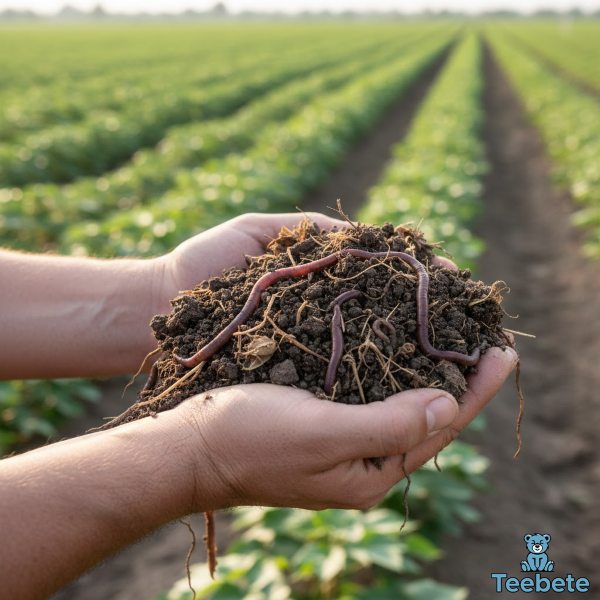
The journey of organic cotton fabric begins in the soil, long before any seeds are planted. Unlike conventional cotton farming that relies on synthetic chemicals and genetically modified organisms, organic cotton production starts with certified organic cotton that adheres to strict international standards from seed to finished fabric.
According to the Fibre2Fashion textile processing guide, organic farming treats soil as a living ecosystem rather than merely a growing medium. This philosophical difference translates into practical farming methods that rebuild soil fertility through compost, crop rotation, and cover crops rather than depleting it with synthetic fertilizers.
Here’s the part most people don’t realize: achieving organic certification requires a transition period of 2-3 years where fields must be tested to ensure no pesticide residuals remain. This commitment demonstrates that organic cotton fabric isn’t just about avoiding chemicals during one growing season—it’s about fundamentally transforming how agricultural land functions.
Non-GMO Seeds and Organic Certification Standards

Every organic cotton fabric begins with non-genetically modified seeds. These seeds cannot be treated with synthetic pesticides or fungicides, a stark contrast to conventional cotton seeds that typically arrive pre-coated with multiple chemical treatments. The seed selection process emphasizes varieties that demonstrate natural pest resistance and adaptability to local growing conditions.
The Global Organic Textile Standard (GOTS), recognized as the world’s leading certification for organic textiles, mandates that at least 95% of fibers must be certified organic for a product to carry the “GOTS Organic” label. Products containing 70-94% organic fibers can use the “GOTS Made with Organic” designation. This certification framework ensures transparency throughout the supply chain, from cotton field to finished fabric.
The Organic Cotton Growing Process: Step-by-Step
Understanding the organic cotton growing process reveals why this sustainable fabric differs so dramatically from conventional alternatives. The process involves careful attention at each stage, with natural methods replacing chemical interventions.
Soil Preparation and Fertility Management
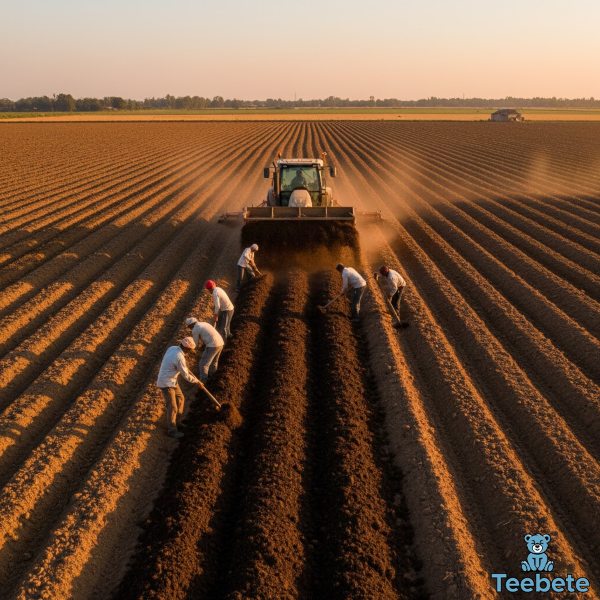
Organic cotton farmers invest heavily in soil health long before planting season arrives. As detailed in research from Whisper Organics on organic farming practices, natural fertilizers such as compost and animal manure provide essential nutrients while building disease-resistant soil structure.
The preparation process typically includes:
Organic matter incorporation: Farmers apply 15 tonnes of well-decomposed farmyard manure (FYM) per hectare, thoroughly mixing it into the soil. Composting organisms like Trichoderma viride accelerate decomposition, creating nutrient-rich soil amendments.
Cover crop rotation: Legumes and grasses are planted between cotton seasons to prevent soil erosion, suppress weeds, and fix atmospheric nitrogen. Popular choices include cowpea, vetch, and radish, which provide layered benefits—some scavenge nutrients, others fix nitrogen, and still others break up compacted soil with deep root systems.
Green manuring: In-situ green manuring with fodder cowpea, buried approximately 40 days after sowing, ensures steady nitrogen supply during the plant’s critical growth and flowering phases when nutrient demands peak.
This multi-faceted approach to soil fertility creates a biological foundation that conventional cotton farming simply cannot replicate with synthetic inputs. The result is soil that improves over time rather than degrading—a fundamental difference in sustainable agriculture.
Planting and Early Growth Management
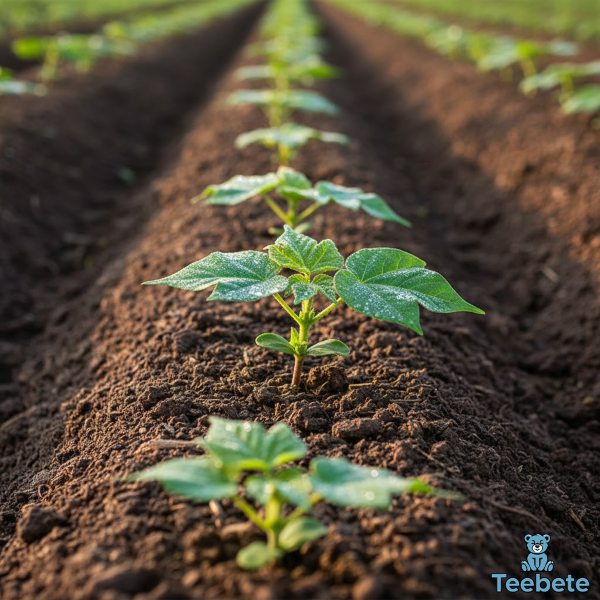
Spring planting marks the beginning of the organic cotton fabric journey. Seeds are sown manually or with simple machinery, depending on regional practices and farmer resources. The planting strategy differs considerably from conventional methods, with organic farmers adjusting seed density and spacing to promote natural weed suppression through canopy closure.
Advanced organic cotton farmers utilize twin-row configurations—planting paired rows 7-10 inches apart on 30-38 inch beds. According to advanced farming techniques research, this configuration increases plant population without crowding, promoting earlier canopy closure that naturally shades out competitive weeds while improving light interception for lower bolls.
The germination period typically spans six to eight weeks, during which cotton plants require balanced nutrients, water, and sunlight. This is where things get tricky for organic farmers—without synthetic fertilizers providing immediate nutrient availability, they must rely on the soil’s biological processes to release nutrients at the proper rate for optimal plant development.
Natural Pest and Weed Control Methods
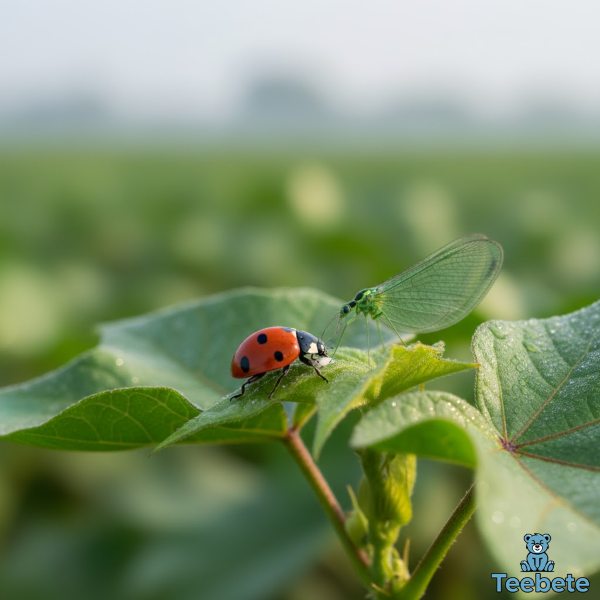
One of the most significant differences in organic cotton fabric production lies in pest management strategies. Conventional cotton farming depends on synthetic pesticides—in fact, cotton accounts for 10-16% of global pesticide use despite covering only 2.5% of cultivated land, as noted by Wikipedia’s organic cotton overview.
Organic farmers instead employ integrated pest management techniques:
Beneficial insect introduction: Farmers cultivate populations of predator insects that naturally control pest species. Lady beetles, lacewings, and parasitic wasps help manage aphids, whiteflies, and bollworms without chemical interventions.
Biological pesticides: When needed, organic farmers apply substances like neem oil, garlic spray, and other plant-based extracts. Bacillus thuringiensis (Bt), a naturally occurring soil bacterium, targets specific lepidopteran larvae without harming beneficial insects.
Intercropping strategies: Planting multiple crop species together—such as cotton with marigolds or basil—confuses pests and reduces the likelihood of widespread infestation. This biodiversity approach creates conditions where no single insect, bird, or mammal can cause major crop damage.
Mechanical weed control: Farmers use hoes, cultivators, and other manual implements for weed management. Mulching, adjusted planting dates, and strategic irrigation timing further suppress weed competition without herbicides.
From our experience working with customers transitioning to organic cotton fabric, many are surprised to learn that these biological pest control methods often prove more effective long-term than chemical approaches, which can create pesticide-resistant pest populations over time.
Water Management in Organic Cotton Cultivation
Water usage represents a critical consideration in cotton fabric production. Organic cotton typically utilizes rain-fed agriculture, though some regions require supplemental irrigation. The key difference lies in water efficiency—organic farming methods improve soil structure and organic matter content, enhancing the soil’s natural water retention capacity.
Studies indicate that while organic cotton may require similar water volumes per hectare compared to conventional methods, the water quality impacts differ dramatically. Organic cotton farming eliminates chemical runoff that pollutes groundwater and surface water sources, protecting local ecosystems and community water supplies.
Harvesting: The Critical Transition Point

Harvesting methods distinguish organic cotton fabric production most visibly. Conventional cotton farming relies on chemical defoliants—compounds similar to Agent Orange used in the Vietnam War—to force leaves to drop prematurely, facilitating mechanical harvesting. According to Bhumi Organic Cotton’s manufacturing guide, these chemical defoliants pose significant environmental and health risks.
Organic cotton harvesting prohibits chemical defoliants entirely. Instead, farmers employ:
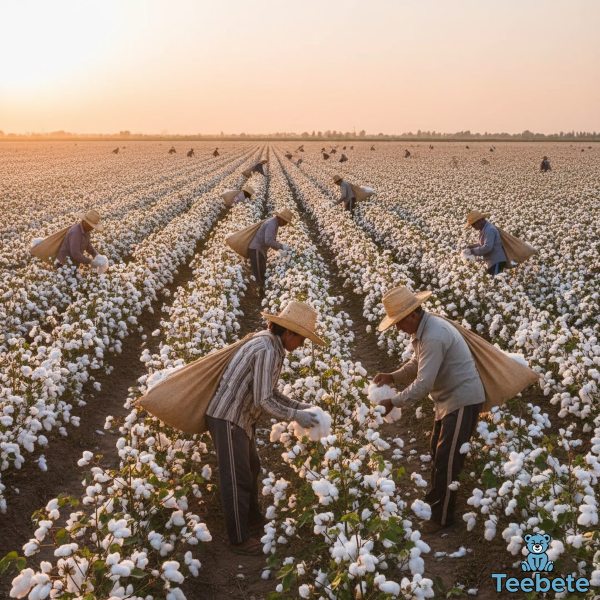
Hand-picking: Particularly common in developing countries, manual harvesting ensures fiber purity while avoiding chemical exposure. Hand-picking also allows selective harvesting of fully mature bolls, resulting in higher fiber quality.
Natural defoliation: Some organic farmers rely on water management strategies or seasonal frost to naturally trigger leaf drop before mechanical harvesting.
Timing precision: Without chemical defoliants forcing premature ripening, organic farmers must carefully monitor plant maturity, harvesting when bolls naturally open and fibers reach optimal quality.
The hand-picking advantage extends beyond chemical avoidance—it reduces fiber contamination, maintains extra-long staple length, and minimizes waste. However, it requires significantly more labor, contributing to the higher cost of organic cotton fabric.
Cotton Fabric Production: From Fiber to Finished Textile
Once harvested, cotton must undergo several transformation stages before becoming the soft, breathable organic cotton fabric consumers recognize. Each processing step presents opportunities for either maintaining organic integrity or introducing harmful substances.
Ginning: Separating Fiber from Seed
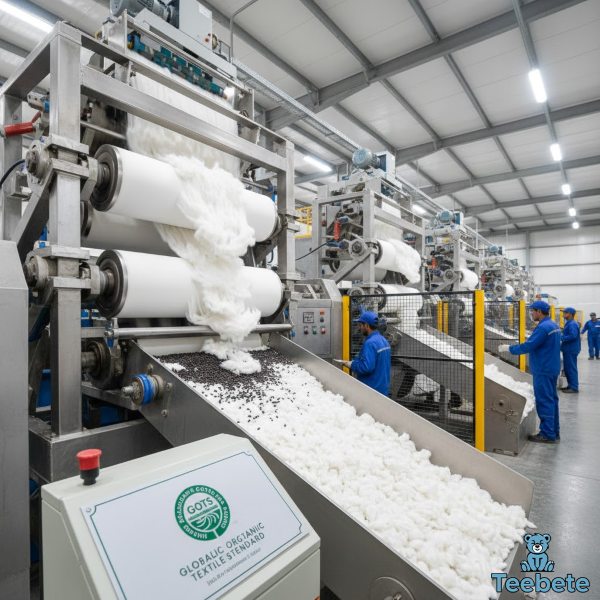
Ginning represents the first mechanical processing stage, where cotton fibers are separated from seeds, leaves, twigs, and other plant material. Cotton bolls contain approximately 40% fiber and 60% seed by weight. After ginning, fibers proceed to textile mills while seeds and byproducts often become animal feed or cottonseed oil.
This is where conventional and organic cotton face a critical divergence. In conventional systems, pesticide residues concentrate in cottonseed oil, which becomes an ingredient in cookies, salad dressings, baked goods, and other processed foods. Organic cotton seeds, however, produce organic food products free from pesticide contamination, as explained by the Fibre2Fashion organic processing guide.
GOTS certification requires that ginning occurs in certified facilities where organic and conventional cotton remain strictly separated. This segregation prevents cross-contamination and maintains the organic chain of custody throughout processing.
Spinning: Creating Yarn from Fiber
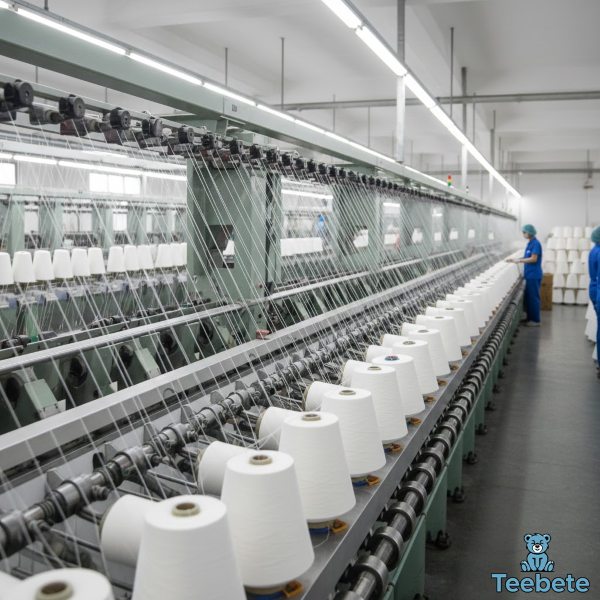
After ginning, clean cotton fibers proceed to spinning mills where they’re transformed into yarn. The spinning process involves several mechanical steps:
Carding: Cotton fibers are aligned and cleaned further, removing remaining impurities while creating a continuous web of parallel fibers.
Drawing and roving: The fiber web is repeatedly stretched and twisted, creating progressively finer strands with greater strength and uniformity.
Final spinning: Roving is spun into finished yarn, with twist levels and yarn count determining the final fabric characteristics.
For organic cotton fabric, spinning mills must meet GOTS environmental criteria, including energy efficiency standards, wastewater management protocols, and chemical usage restrictions. The yarn quality depends heavily on fiber length—long-staple and extra-long-staple cotton produce stronger, softer yarns that resist pilling and maintain durability over time.
Weaving and Knitting: Fabric Construction

Yarn transforms into fabric through either weaving or knitting processes. Weaving creates fabric by interlacing perpendicular yarn systems (warp and weft), while knitting forms fabric through interconnected loops. Both methods can produce organic cotton fabric, with the choice depending on desired fabric characteristics.
GOTS certification permits both hand-loomed and machine-woven textile fabrication. However, any machinery oils used must be free from heavy metals and meet strict biodegradability requirements. This attention to detail ensures that even lubricants and processing aids don’t compromise the organic integrity of the final fabric.
Wet Processing: Dyeing and Finishing
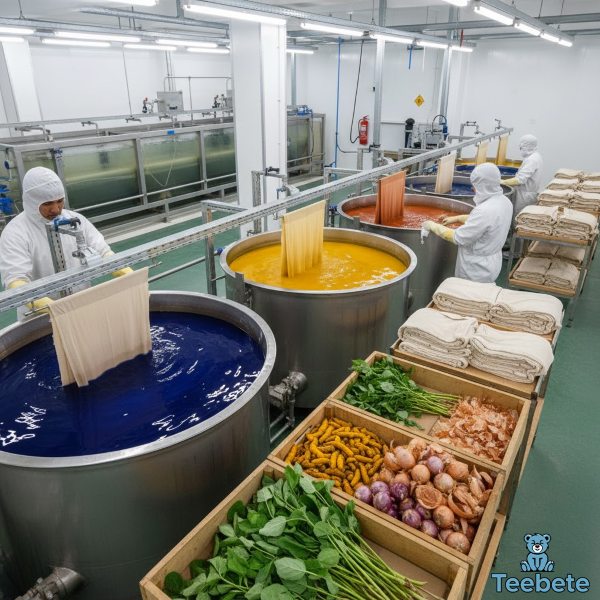
Wet processing represents perhaps the most environmentally impactful stage of cotton fabric production. This phase includes dyeing, printing, bleaching, and various chemical treatments that dramatically affect both fabric properties and environmental footprint.
Here’s where conventional cotton fabric manufacturing typically goes wrong. Standard dyeing processes employ synthetic dyes containing heavy metals, formaldehyde, and other toxic compounds. According to Fashion Capital’s production stages overview, approximately 80% of toxic chemicals used in conventional dyeing remain in finished garments long after manufacturing.
Organic cotton fabric adheres to entirely different standards:
Natural and low-impact dyes: GOTS-certified facilities use vegetable and mineral-based dyes derived from ingredients like indigo, turmeric, onion shells, and other plant materials. While these natural dyes may lack the vibrancy of synthetic alternatives, they eliminate toxic chemical exposure.
Water quality management: Certified facilities must operate functioning wastewater treatment systems that remove pollutants before discharge. This protects local water supplies and aquatic ecosystems from dye contamination.
Chemical restrictions: GOTS prohibits numerous chemical inputs including chlorine bleach, formaldehyde, aromatic solvents, and functional nanoparticles. Permitted substances must meet strict biodegradability and toxicity requirements.
Finishing processes: The final fabric finishing stage converts rough, gray-state cloth into soft, absorbent material. Organic finishing avoids easy-care chemical treatments, antimicrobial agents, and wrinkle-resistant coatings that often contain formaldehyde-based resins.
In reality, most people overlook how significantly wet processing impacts the final product’s safety and environmental footprint. A fabric grown organically but processed with toxic chemicals offers limited benefits over conventional alternatives. This is precisely why comprehensive certifications like GOTS matter—they ensure organic integrity throughout the entire supply chain, not just at the farming stage.
Key Differences: Organic Cotton Fabric vs. Conventional Cotton
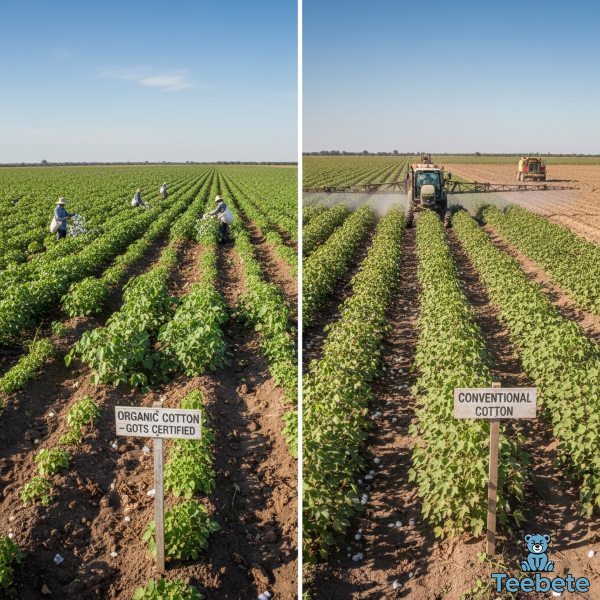
Understanding what makes cotton organic requires examining differences across multiple dimensions—agricultural practices, environmental impact, processing methods, and end-product characteristics.
Agricultural Practice Comparisons
The agricultural differences between organic and conventional cotton fabric production extend far beyond simple pesticide avoidance:
| Aspect | Organic Cotton | Conventional Cotton |
|---|---|---|
| Seeds | Non-GMO, untreated | Often GMO, pre-treated with pesticides |
| Fertilizers | Compost, manure, green manure | Synthetic nitrogen, phosphorus, potassium |
| Pest control | Beneficial insects, biological pesticides | Synthetic pesticides, often multiple applications |
| Weed management | Mechanical cultivation, mulching, crop rotation | Chemical herbicides |
| Defoliation | Natural methods or hand-picked | Chemical defoliants (similar to Agent Orange) |
| Soil health | Improves over time through organic matter | Often degrades due to chemical dependency |
These agricultural differences create cascading effects throughout the production chain. Organic methods support biodiversity, protect water quality, and maintain soil fertility for future generations. Conventional methods prioritize short-term yield maximization, often at the expense of long-term environmental sustainability.
Environmental and Health Impacts

The environmental consequences of conventional cotton production are staggering. Cotton cultivation uses more pesticides than any other single major crop globally. According to research, volatile organic compound (VOC) emissions from cotton pesticides exceed eleven million pounds annually in California alone, making conventional cotton the highest crop contributor to VOC emissions in that state.
For wildlife, pesticide effects prove devastating. At least 13 pesticides documented as causing migratory bird die-offs are currently registered for cotton use. Beyond immediate toxicity, some pesticides affect reproductive capacity in fish and wildlife—species disappear gradually as they cannot reproduce successfully.
Organic cotton fabric production eliminates these environmental harms:
Water protection: No synthetic pesticides or fertilizers means zero chemical runoff contaminating groundwater and surface water sources.
Biodiversity preservation: Organic farming promotes diverse ecosystems where beneficial insects, birds, and soil microorganisms thrive.
Climate impact: Organic farming’s emphasis on soil health increases carbon sequestration, as healthy soils store atmospheric carbon in organic matter.
Worker safety: Farmers and textile workers avoid exposure to toxic chemicals linked to pesticide-related illness, including respiratory problems, neurological damage, and cancer risks.
From our experience working with customers concerned about chemical sensitivities, organic cotton fabric provides tangible health benefits. Many people with skin sensitivities, allergies, or multiple chemical sensitivity (MCS) find they can tolerate organic cotton textiles when conventional cotton causes irritation or allergic reactions.
Processing and Manufacturing Distinctions
The processing differences between organic and conventional cotton fabric extend well beyond the farm gate. GOTS certification requirements ensure that organic integrity is maintained through every manufacturing stage:
Traceability: Every entity handling organic cotton—from ginning facilities to final retailers—must maintain clear documentation tracking organic materials separately from conventional cotton.
Chemical inputs: GOTS maintains strict lists of prohibited and restricted substances. Only low-impact dyes and auxiliaries meeting specific biodegradability and toxicity criteria receive approval.
Social compliance: GOTS requires adherence to International Labour Organisation (ILO) conventions, ensuring fair wages, safe working conditions, reasonable hours, and prohibition of child labor and discrimination.
Quality standards: Finished products must meet colorfastness requirements for light, washing, and rubbing. Shrinkage values must fall within specified limits to ensure consumer satisfaction.
These comprehensive standards mean that GOTS-certified organic cotton fabric represents more than simply pesticide-free agriculture—it embodies an entire supply chain committed to environmental protection, worker welfare, and product safety.
Oeko-Tex Certified and GOTS Certified: Understanding the Difference
Many consumers encounter multiple certification labels when shopping for sustainable textiles. Understanding the distinctions helps make informed purchasing decisions:
GOTS (Global Organic Textile Standard): Certifies organic fiber content from farm through finished product. Addresses both environmental and social criteria throughout the entire supply chain. Requires at least 70% organic fiber content, with the highest grade requiring 95%+ organic content.
Oeko-Tex Standard 100: Tests finished textile products for harmful substances, ensuring they meet strict human-ecological requirements. However, Oeko-Tex doesn’t necessarily certify organic growing methods or address environmental aspects of production. A product can be Oeko-Tex certified without containing any organic fibers.
Organic Content Standard (OCS): Verifies organic material content through the supply chain but doesn’t address processing chemicals or social criteria like GOTS does.
For the most comprehensive assurance, look for products carrying both GOTS certification (ensuring organic integrity and sustainable processing) and Oeko-Tex certification (confirming absence of harmful residues in the finished product).
Why Organic Cotton Fabric Costs More
One question we hear frequently from customers concerns pricing. Organic cotton fabric typically costs 3-4 times more than conventional cotton. Understanding the cost drivers helps appreciate the value proposition:
Lower yields: Organic cotton farms typically produce 20-30% less fiber per hectare compared to conventional methods, particularly during the initial conversion years. Without synthetic fertilizers providing concentrated nutrients, organic systems require time to build soil fertility.
Labor intensity: Hand-picking organic cotton requires significantly more workers and time compared to mechanical harvesting with chemical defoliants.
Certification costs: Obtaining and maintaining GOTS certification involves inspection fees, testing costs, and administrative overhead that conventional cotton producers avoid.
Reduced land availability: Organic farmers often employ intercropping and crop rotation strategies that reduce the total land area dedicated to cotton in any given season.
Premium inputs: Organic seeds, natural fertilizers, and approved processing chemicals often cost more than synthetic alternatives.
Processing separation: Maintaining strict segregation between organic and conventional cotton throughout the supply chain requires dedicated equipment, separate storage, and meticulous documentation.
Despite higher costs, many consumers find organic cotton fabric worth the investment. The benefits—chemical-free production, environmental protection, worker safety, and superior comfort for sensitive skin—justify premium pricing for quality-conscious customers.
Teebete’s Commitment to Sustainable Cotton Fabric
At Teebete, we recognize that informed customers increasingly seek transparency about textile origins and production methods. Our organic cotton fabric collection reflects a commitment to environmental stewardship and ethical manufacturing that extends throughout our supply chain.
We source organic cotton material exclusively from GOTS-certified suppliers who share our values regarding sustainable agriculture and fair labor practices. This ensures that every yard of organic cotton fabric bearing the Teebete name meets rigorous standards for both environmental protection and social responsibility.
Our sustainable fabrics undergo thorough testing to verify organic integrity and chemical safety. We maintain detailed documentation tracking each fabric’s journey from certified organic farms through ginning, spinning, weaving, and finishing—creating full supply chain transparency that customers can trust.
Beyond organic cotton fabric, our natural fabric offerings include other eco-friendly textile materials chosen for their minimal environmental impact and superior performance characteristics. We believe that sustainable textiles needn’t compromise on quality, durability, or aesthetic appeal.
Organic Cotton Fabric Applications and Uses
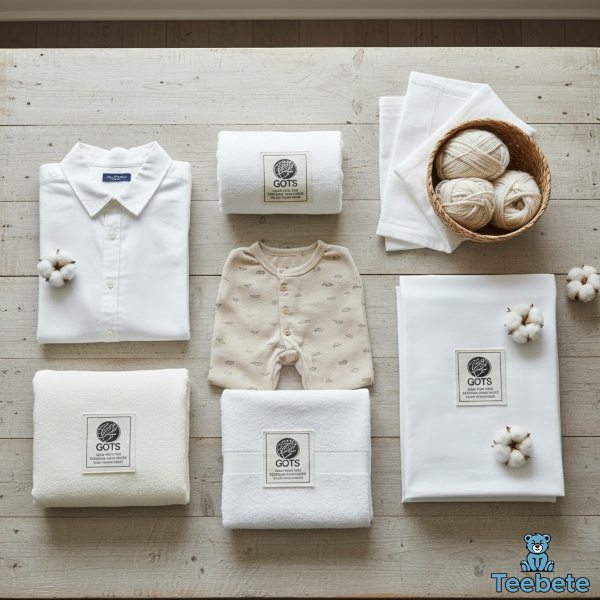
The versatility of organic cotton fabric makes it suitable for numerous applications where both performance and sustainability matter:
Apparel: Organic cotton fabric by the yard creates comfortable, breathable garments including t-shirts, dresses, activewear, sleepwear, and undergarments. The hypoallergenic properties make it ideal for sensitive skin, baby clothing, and intimate apparel.
Home textiles: Bedding, towels, curtains, and upholstery benefit from organic cotton’s softness, breathability, and chemical-free production. GOTS-certified bedding particularly appeals to consumers concerned about prolonged skin contact during sleep.
Quilting and crafts: Quilters and crafters increasingly choose organic fabric for heirloom projects, baby quilts, and decorative items where chemical-free materials matter.
Medical and hygiene products: Organic cotton cloth’s purity makes it suitable for reusable menstrual products, baby diapers, wound dressings, and other applications where chemical residues pose health concerns.
Commercial applications: Restaurants, hotels, and other businesses seeking to demonstrate environmental commitment increasingly specify organic cotton textiles for uniforms, table linens, and guest amenities.
The growing availability of organic cotton fabric wholesale options makes sustainable textiles accessible to businesses of all sizes, from independent designers to major brands incorporating eco-friendly materials into their product lines.
How to Verify Authentic Organic Cotton Fabric
With increasing consumer demand for sustainable fabrics, some manufacturers make misleading organic claims without proper certification. Verifying authentic organic cotton fabric requires knowing what to look for:
GOTS certification number: Legitimate GOTS-certified products display both the GOTS logo and a unique certification number (e.g., “License No. 123456”). This number can be verified through the GOTS online database.
Certification scope: Check whether certification covers just the fabric content or extends through the entire manufacturing process. Some products may contain organic cotton but receive non-organic processing.
Price reality check: Genuine 100 organic cotton fabric commands premium pricing. Suspiciously cheap products claiming organic status likely aren’t truly certified.
Country of origin: Major organic cotton producers include India, Turkey, China, and the United States. Products claiming organic cotton fabric made in USA should be verifiable through USDA National Organic Program documentation.
Supplier transparency: Reputable suppliers like Teebete provide detailed certification documentation, supply chain information, and third-party verification of organic claims.
Testing availability: Some companies conduct independent pesticide residue testing on fibers and finished fabrics to ensure authenticity beyond certification alone.
When purchasing organic cotton fabric by the yard for personal or commercial projects, always request certification documentation and verify supplier credentials through official certification body databases.
The Future of Organic Cotton Fabric Production
The organic cotton fabric industry continues evolving rapidly, driven by consumer demand, regulatory changes, and agricultural innovation. Several trends are shaping the sector’s future:
Scaling production: Global organic cotton production has grown steadily, though it still represents only 1-3% of total cotton cultivation. Increased farmer education, support programs, and price premiums are encouraging more growers to convert to organic methods.
Regenerative agriculture: Advanced organic cotton farming techniques now incorporate regenerative principles that go beyond sustainability to actively restore degraded soils, increase biodiversity, and sequester atmospheric carbon.
Technology integration: Precision agriculture tools help organic farmers optimize irrigation, monitor soil health, and manage pests more effectively without compromising organic principles.
Certification evolution: GOTS and other certification standards continue refining requirements to address emerging concerns like microplastic shedding, carbon footprint, and water stewardship.
Supply chain transparency: Blockchain and other technologies enable unprecedented transparency, allowing consumers to trace organic cotton fabric from specific farms through every processing stage to finished products.
Corporate adoption: Major brands including Nike, Walmart, and others have incorporated organic cotton into their supply chains, driving demand and making sustainable fabric manufacturers more competitive.
These developments suggest that organic cotton fabric will become increasingly accessible and affordable while maintaining the environmental and social standards that distinguish it from conventional alternatives.
Frequently Asked Questions
How do they grow organic cotton?
Organic cotton is grown using natural farming methods without synthetic pesticides, fertilizers, or genetically modified seeds. The process begins with soil preparation using compost and animal manure to build fertility. Farmers plant non-GMO seeds in healthy soil enriched through crop rotation and cover crops. During growth, pest control relies on beneficial insects and biological pesticides like neem oil rather than synthetic chemicals. Weed management employs mechanical cultivation, mulching, and intercropping instead of herbicides. Harvesting occurs through hand-picking or natural defoliation methods without chemical defoliants. Throughout the growing season, farmers maintain biodiversity, practice water conservation, and follow strict organic certification requirements that prohibit synthetic inputs while promoting soil health and ecosystem balance.
What is the process of cotton fabric production?
Cotton fabric production involves multiple stages transforming raw cotton into finished textiles. First, harvested cotton undergoes ginning where fibers are mechanically separated from seeds and plant debris. Clean fibers then proceed to spinning mills where they’re carded, drawn, and spun into yarn. The yarn moves to weaving or knitting facilities where it’s formed into fabric through either interlacing perpendicular threads (weaving) or creating interconnected loops (knitting). Next comes wet processing, including scouring to remove natural waxes, bleaching or dyeing to achieve desired colors, and printing if patterns are needed. Finishing treatments add specific properties like softness or wrinkle resistance. For organic cotton fabric, every stage must meet GOTS certification requirements, ensuring chemical inputs remain restricted, wastewater receives proper treatment, and social compliance standards are maintained throughout the supply chain.
What is the process of growing cotton?
Growing cotton follows a seasonal cycle beginning in spring when farmers prepare soil and sow seeds. After planting, seeds germinate within 1-2 weeks, developing into seedlings that require consistent moisture and warm temperatures. Over 6-8 weeks, plants grow vegetative structures including stems, leaves, and root systems. Flowering begins around 60-80 days after planting, with cotton plants producing distinctive yellow or white blooms that self-pollinate. After pollination, flowers develop into cotton bolls—protective capsules containing seeds surrounded by cotton fibers. Bolls mature over 50-80 days, gradually opening to reveal the white, fluffy fibers we recognize as cotton. Once bolls open fully, harvesting begins either through hand-picking or mechanical methods. The entire growth cycle spans 150-180 days depending on variety, climate, and growing conditions. Throughout this period, cotton requires careful management of water, nutrients, and pest pressures.
How is organic cotton fabric made?
Organic cotton fabric is made through a carefully controlled process maintaining organic integrity from farm to finished textile. It begins with certified organic cotton grown without synthetic pesticides or GMO seeds. After hand-harvesting or natural defoliation, cotton moves to GOTS-certified ginning facilities where fibers are separated from seeds while maintaining separation from conventional cotton. Clean organic fibers proceed to spinning where they’re transformed into yarn through carding and spinning processes using approved lubricants and machinery oils. Yarn then undergoes weaving or knitting to create fabric structure. The critical wet-processing stage uses only approved low-impact or natural dyes, avoiding formaldehyde, chlorine bleach, and toxic chemicals used in conventional processing. Wastewater receives treatment before discharge, and all chemical inputs must meet strict biodegradability requirements. Throughout manufacturing, facilities must demonstrate social compliance, fair labor practices, and proper documentation tracking the organic cotton through every stage. The finished organic cotton fabric meets both environmental and quality standards verified through third-party certification.
What certifications should I look for when buying organic cotton fabric?
When purchasing organic cotton fabric, look primarily for GOTS (Global Organic Textile Standard) certification, which ensures at least 70% organic fiber content and verifies sustainable processing throughout the supply chain. GOTS addresses both environmental and social criteria, making it the most comprehensive organic textile certification. Additionally, Oeko-Tex Standard 100 certification confirms the finished fabric is free from harmful substances and safe for human contact, though this doesn’t necessarily verify organic growing methods. The Organic Content Standard (OCS) verifies organic fiber content but doesn’t address processing chemicals or social requirements as rigorously as GOTS. For U.S. products, USDA organic certification may appear, particularly for fabrics intended for food-contact applications. Always verify certification numbers through official certification body databases, and be wary of vague “organic” claims without supporting documentation. Reputable suppliers provide complete certification documentation upon request.
Is organic cotton fabric more durable than conventional cotton?
Organic and conventional cotton fabrics possess identical physical properties when comparing equivalent fiber lengths and yarn constructions—the organic growing method doesn’t inherently create stronger or more durable fibers. Durability depends primarily on cotton variety, fiber staple length, yarn quality, and fabric construction rather than organic versus conventional cultivation. Long-staple and extra-long-staple cotton produces superior durability regardless of growing method. However, organic cotton fabric often demonstrates better long-term performance because GOTS-certified processing avoids harsh chemical treatments that can weaken fibers over time. Additionally, the careful hand-picking common in organic cotton harvesting preserves fiber integrity better than mechanical harvesting with chemical defoliants. While some consumers perceive organic cotton as more durable, this likely reflects the tendency of organic producers to use premium long-staple varieties and gentler processing methods rather than the organic certification itself. For maximum durability, seek long-staple organic cotton fabric from reputable manufacturers regardless of organic status.
Can organic cotton fabric be used for all the same applications as regular cotton?
Yes, organic cotton fabric is suitable for all the same applications as conventional cotton—apparel, home textiles, quilting, upholstery, and industrial uses. The organic designation refers to growing and processing methods rather than functional properties. Organic cotton material maintains the same breathability, moisture-wicking ability, softness, and versatility as conventional cotton. It can be woven or knitted into any weight from sheer voiles to heavy canvas. Organic cotton fabrics accept the same construction techniques, can be sewn with standard equipment, and respond similarly to washing and care. The primary differences lie in chemical content (organic contains no pesticide residues or toxic dye chemicals) and environmental impact rather than performance characteristics. Some specialized applications like flame-retardant fabrics may be limited since organic certification restricts certain chemical treatments, but for the vast majority of uses, organic cotton fabric performs identically to conventional alternatives while offering health and environmental benefits that many consumers value.
Does organic cotton fabric require special care or washing instructions?
Organic cotton fabric requires essentially the same care as conventional cotton—no special handling beyond standard cotton garment care. Machine washing in cold to warm water with mild, phosphate-free detergent works well for most organic cotton textiles. Avoid chlorine bleach (which damages cotton fibers generally) and opt for oxygen bleach if whitening is needed. Tumble drying on low to medium heat prevents shrinkage, though organic cotton may shrink slightly during first washing just like conventional cotton. Since organic cotton fabric typically avoids chemical wrinkle-resistant finishes, it may require ironing more frequently than treated conventional cottons—use medium heat and steam for best results. Pre-washing fabric before sewing projects is advisable to account for potential shrinkage. Some GOTS-certified products recommend washing separately during first few laundering cycles to prevent dye transfer, particularly with naturally dyed fabrics. Overall, caring for organic cotton fabric is straightforward and follows conventional cotton care guidelines, with the advantage that you’re not releasing pesticide residues or toxic chemical treatments into wastewater during washing.
Key Takeaways: Organic Cotton Fabric Growing Process
| Topic | Key Information |
|---|---|
| Definition | Organic cotton fabric is made from cotton grown without synthetic pesticides, GMO seeds, or chemical fertilizers, following strict organic certification standards |
| Growing Process | Involves soil preparation with natural fertilizers, non-GMO seed planting, biological pest control, mechanical weed management, and chemical-free harvesting |
| Certification | GOTS (Global Organic Textile Standard) provides the most comprehensive certification covering organic content, processing chemicals, environmental impact, and social compliance |
| Key Differences | Organic cotton eliminates synthetic chemicals in farming and processing, protects worker health, preserves soil fertility, and reduces environmental pollution compared to conventional cotton |
| Environmental Benefits | Reduces water pollution, eliminates pesticide use, promotes biodiversity, improves soil health, and supports carbon sequestration through organic farming practices |
| Processing Standards | GOTS-certified processing restricts chemical inputs, requires wastewater treatment, prohibits toxic dyes, and ensures social compliance throughout the supply chain |
| Production Stages | Ginning, spinning, weaving/knitting, wet processing (dyeing/finishing), and manufacturing—all must meet organic standards to maintain certification |
| Cost Factors | Higher prices reflect lower yields, labor-intensive harvesting, certification costs, premium inputs, and supply chain segregation requirements |
| Applications | Suitable for apparel, bedding, towels, quilting, baby products, and any application where chemical-free textiles and sustainability matter |
| Verification | Look for GOTS certification number, verify through official databases, check supplier credentials, and be skeptical of suspiciously low-priced “organic” claims |
This comprehensive guide draws on research from multiple authoritative sources including industry textile processing standards, agricultural extension services, and certification organizations. For customers seeking high-quality sustainable textiles, Teebete offers a curated selection of certified organic cotton fabric backed by full supply chain transparency and third-party verification.

Hi, I’m Mia Wilson. I’m a journalist and content creator based in New York with over six years of experience covering sports, holidays, fan culture, and community events across the United States. I focus on exploring team histories, traditions, celebrations, and the broader impact of sports and cultural events on local communities. I’m passionate about providing accurate, engaging, and educational content for readers of all ages, helping them understand the stories, experiences, and events that make sports and celebrations so meaningful.