Understanding Tri-Blend Fabric Why It’s Perfect for Premium Tees
When it comes to selecting the perfect t-shirt, the fabric composition makes all the difference between an ordinary garment and an extraordinary wardrobe staple. Among the various textile blends available today, tri-blend fabric has emerged as the gold standard for premium tees, offering an unparalleled combination of comfort, durability, and style. This comprehensive guide explores why tri-blend fabric has become the preferred choice for discerning consumers and leading apparel brands alike.
What Is Tri-Blend Fabric?
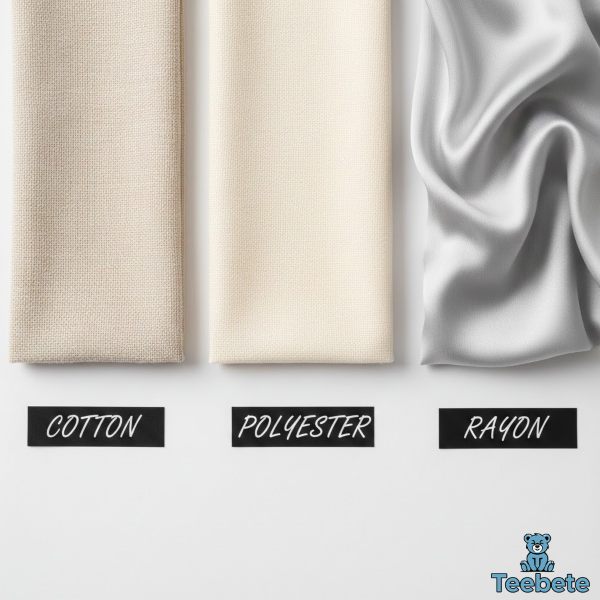
Tri-blend fabric represents an innovative approach to textile engineering, combining three distinct materials to create a superior shirt material. As the name suggests, this fabric composition brings together cotton, polyester, and rayon in a carefully calibrated blend that leverages the strengths of each fiber while minimizing their individual weaknesses.
The typical tri-blend fabric composition consists of 50% polyester, 25% cotton, and 25% rayon, though these ratios can vary slightly depending on the manufacturer and intended application. This three-way textile blend creates a fabric that is simultaneously soft, durable, and flexible—qualities that are difficult to achieve with single-fiber materials.
Breaking Down the Tri-Blend Components
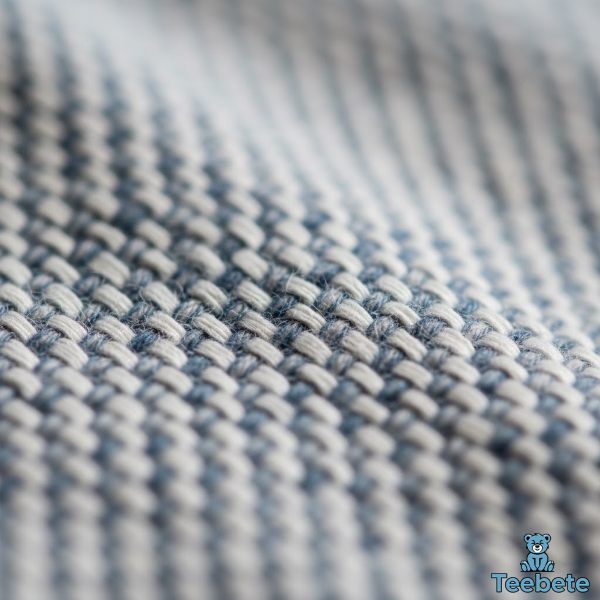
Understanding what makes tri-blend fabric premium requires examining each component’s contribution to the overall fabric properties:
Cotton: The Foundation of Comfort
Cotton forms a significant portion of the tri-blend composition, providing the natural softness and breathability that consumers have loved for generations. This natural fiber creates a comfortable feel against the skin while offering excellent printability for custom designs. Cotton’s moisture absorption properties help keep wearers comfortable throughout the day, making it ideal for everyday wear in various climates.
Polyester: The Durability Champion
Polyester brings exceptional strength and resilience to tri-blend t-shirts, contributing to the fabric’s long-lasting quality. This synthetic material is hydrophobic, meaning it resists moisture absorption and dries quickly—a property known as moisture-wicking. Polyester also helps tri-blend clothing maintain its shape through countless wash cycles, resisting shrinkage, wrinkling, and fading that commonly affect pure cotton garments. The durability factor means your premium t-shirts will look and feel great even after extensive wear.
Rayon: The Luxury Element
Rayon is perhaps the most intriguing component of tri-blend material, originally developed as an affordable silk alternative. This semi-synthetic fiber adds a silky smoothness and luxurious drape that elevates the fabric beyond standard cotton tees. Rayon contributes flexibility and a fluid, flowing quality that helps quality t-shirts conform naturally to body contours. Its cellulose-based fibers also enhance moisture management, making tri-blend clothing ideal for both casual and athletic applications.
Why Tri-Blend Fabric Is Perfect for Premium T-Shirts
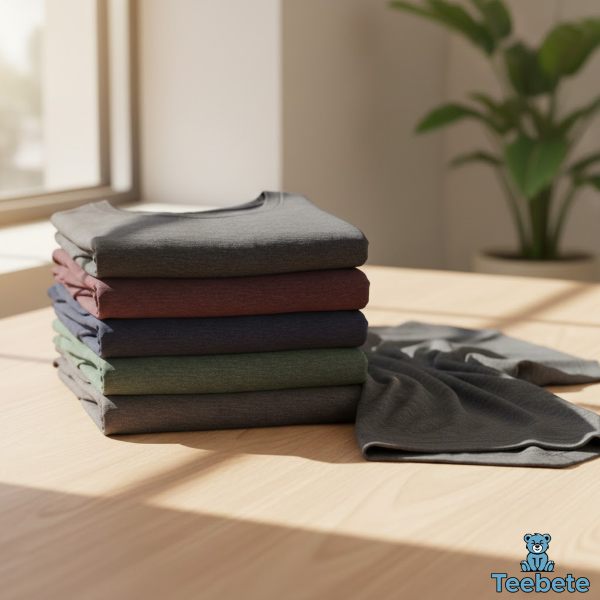
The combination of these three materials in tri-blend shirts creates a synergy that addresses virtually every desirable quality in premium apparel. Let’s explore the specific benefits that make tri-blend fabric the superior choice for quality tees.
Exceptional Softness and Comfort
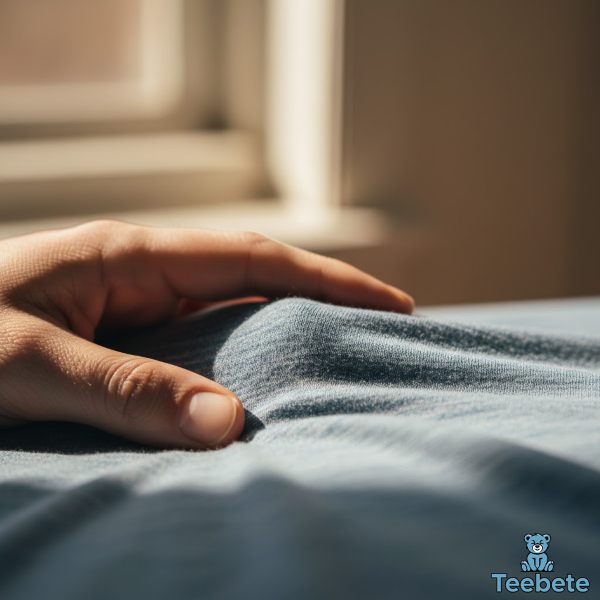
One of the most immediately noticeable characteristics of tri-blend t-shirts is their remarkable softness. The rayon content provides a silky texture that feels almost liquid against the skin, while cotton contributes natural comfort. This combination creates what many describe as a “game-changing” level of softness that makes tri-blend clothing feel luxurious from the first wear.
The smooth fabric texture minimizes friction against the skin, reducing chafing during movement—a significant advantage for anyone wearing these shirts during physical activities or extended periods. The stretchy fabric quality also allows premium t-shirts to move with the body rather than restricting motion, enhancing overall comfort throughout the day.
Superior Breathability and Moisture Management
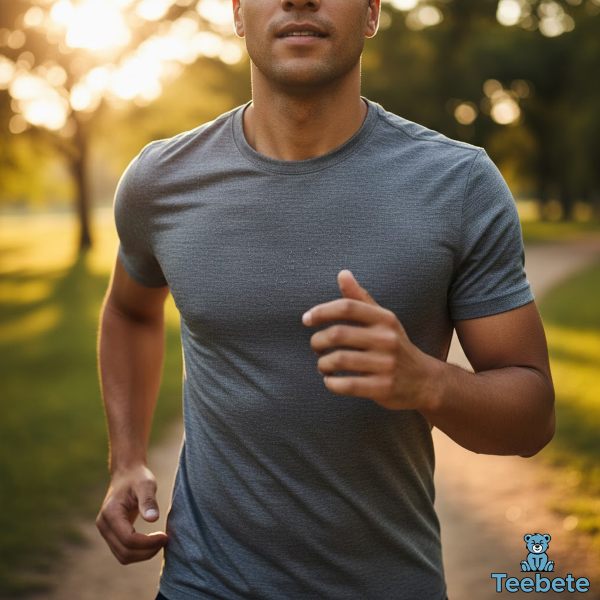
Breathable fabric is essential for comfort, particularly in warm weather or during physical exertion. Tri-blend material excels in maintaining a cool and dry feel through the cotton’s natural air circulation properties combined with polyester’s moisture-wicking capabilities. The polyester component quickly moves perspiration away from the skin, promoting rapid evaporation and keeping wearers comfortable even during intense activities.
This moisture-wicking fabric performance makes tri-blend t-shirts particularly suitable for athletic wear, outdoor activities, and warm climates. Unlike pure cotton shirts that can become heavy and clingy when saturated with sweat, tri-blend clothing maintains its light, comfortable feel even during strenuous exercise.
Remarkable Durability and Shape Retention
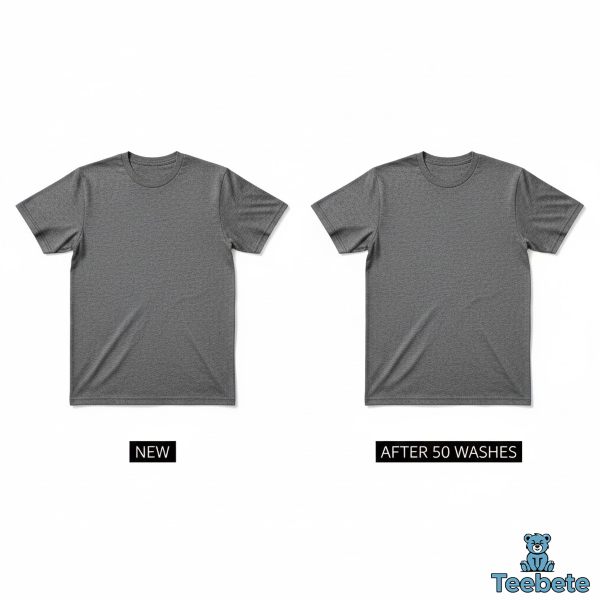
While softness draws people to tri-blend fabric initially, durability keeps them coming back. The polyester content makes these garments exceptionally durable, withstanding regular washing and wearing without losing quality. Premium t-shirts made from tri-blend material resist common fabric issues including:
- Minimal shrinkage: Unlike 100% cotton shirts that can shrink significantly, tri-blend clothing maintains its original size through repeated wash cycles
- Wrinkle resistance: The synthetic components help tri-blend shirts emerge from the dryer looking fresh with minimal or no ironing required
- Color retention: Tri-blend material is notably resistant to fading, ensuring vibrant colors remain vivid wash after wash
- Pilling resistance: The fabric composition resists the formation of those annoying little fabric balls that can make shirts look worn
This durable fabric construction means that investing in quality t-shirts made from tri-blend material provides long-term value, with garments maintaining their premium appearance for years.
Lightweight Yet Opaque
Tri-blend fabric typically ranges from 3 to 4.1 ounces, making it lightweight without being transparent. This ideal weight provides substantial coverage while remaining comfortable in warm weather. The fabric drapes beautifully without clinging, creating a flattering silhouette that works well for various body types.
The lightweight nature of tri-blend clothing makes these shirts perfect for layering or wearing alone. They’re substantial enough to maintain modesty and structure while being light enough to pack easily and wear comfortably in any season.
Flattering Fit and Drape
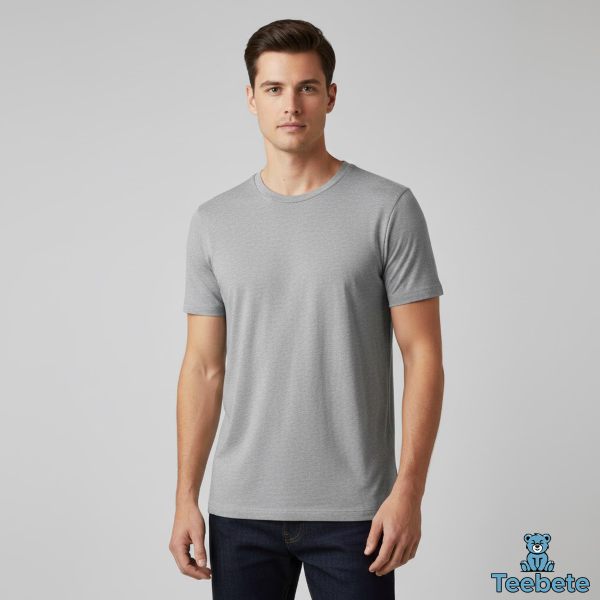
The rayon component in tri-blend material provides an exceptional drape that sets these premium tees apart from standard cotton shirts. This quality fabric naturally contours to the body without being clingy, creating a fashionable, modern silhouette. The stretchy fabric properties allow for a semi-fitted cut that flatters diverse body shapes while providing the flexibility needed for comfortable movement.
This superior drape makes tri-blend t-shirts versatile enough for both casual and slightly dressier occasions—a flexibility that standard cotton shirts often lack.
The Unique Heathered Appearance
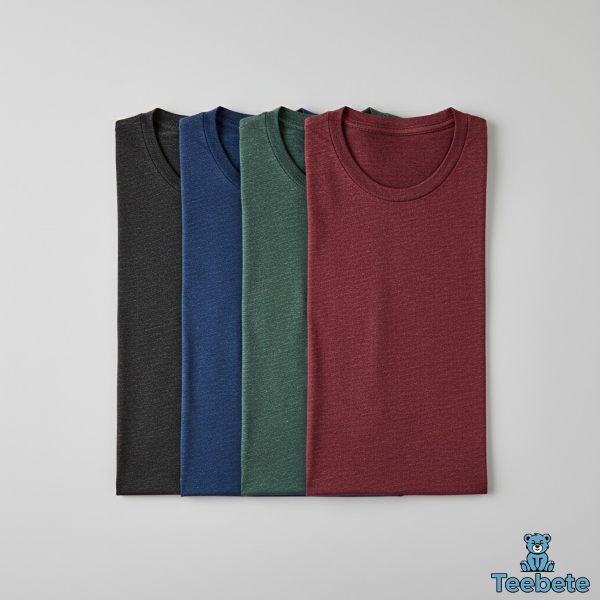
One of the distinctive visual characteristics of tri-blend fabric is its natural heathered texture. This speckled appearance occurs because the three different fibers—cotton, polyester, and rayon—absorb dye differently, creating a subtle, multi-dimensional color effect that adds visual interest to the fabric.
The heathered appearance gives tri-blend clothing a vintage, lived-in aesthetic that has become highly desirable in retail apparel. This naturally distressed look complements vintage-style graphics particularly well, making tri-blend shirts popular for custom printing applications. For those who prefer solid colors, some manufacturers now offer solid-color tri-blend options that maintain all the performance benefits while providing uniform coloration.
Tri-Blend Fabric vs. Other T-Shirt Materials
To fully appreciate what makes tri-blend fabric perfect for premium tees, it’s helpful to understand how it compares to other common shirt materials.
Tri-Blend vs. 100% Cotton
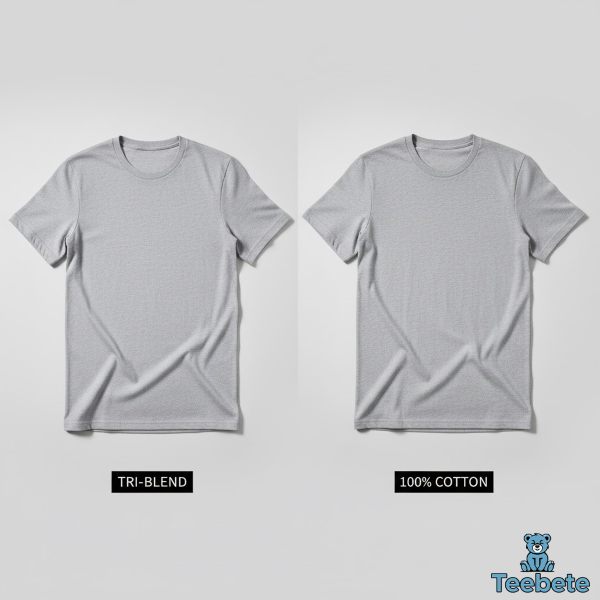
While 100% cotton tees are comfortable and breathable, they have several limitations that tri-blend fabric addresses. Cotton shirts are prone to shrinkage, wrinkling, and can feel heavy when wet. They also lack the stretch and recovery properties that make tri-blend clothing so comfortable during movement.
Tri-blend shirts offer superior moisture management compared to pure cotton, which absorbs and holds moisture rather than wicking it away. The durability of tri-blend fabric also surpasses cotton, with better shape retention and resistance to fading over time. However, for those who strongly prefer natural fibers exclusively, 100% cotton remains a valid choice.
Tri-Blend vs. Cotton-Polyester Blends
Cotton-polyester blends (typically 50/50 or 60/40 ratios) offer a middle ground between pure cotton and tri-blend fabric. These blends provide improved durability and wrinkle resistance compared to 100% cotton, but they lack the exceptional softness and luxurious drape that rayon brings to tri-blend material.
Tri-blend shirts are generally softer and more comfortable than cotton-poly blends, though they typically come at a higher price point. The additional investment in tri-blend clothing often pays dividends in wearing experience and garment longevity.
Understanding Tri-Blend Fabric Composition Variations
While the standard ratio is 50% polyester, 25% cotton, and 25% rayon, some variations exist. Certain colors or styles might use slightly different proportions, such as 50% polyester, 37% cotton, and 13% rayon. These variations can affect the final fabric properties slightly, though all maintain the core benefits that define quality tri-blend t-shirts.
Best Applications for Tri-Blend T-Shirts
The versatile nature of tri-blend fabric makes these premium t-shirts suitable for numerous applications:
Everyday Casual Wear

The combination of comfort, style, and easy care makes tri-blend clothing ideal for daily wear. Whether you’re running errands, meeting friends, or relaxing at home, tri-blend shirts provide all-day comfort without sacrificing style. The wrinkle-resistant properties mean you can grab a tri-blend tee from your drawer and head out with confidence.
Athletic and Active Wear
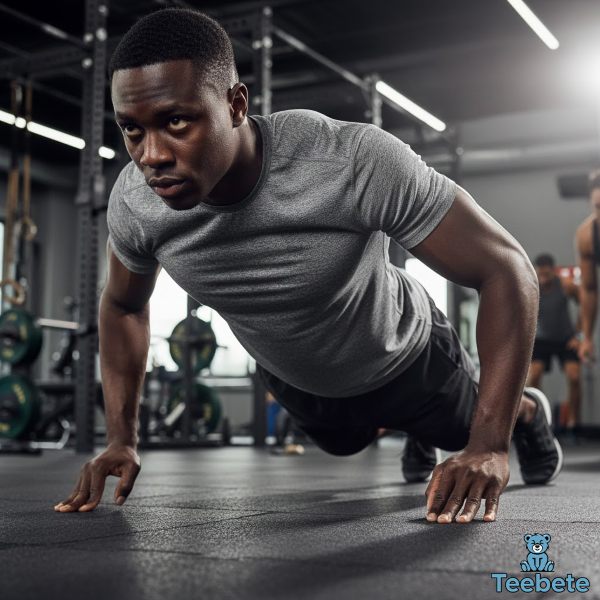
The moisture-wicking properties and breathability of tri-blend material make these shirts excellent for workouts and sports. The fabric moves sweat away from the body quickly, keeping athletes cool and dry during intense physical activity. The stretchy fabric allows full range of motion, while the lightweight construction prevents the heavy, clingy feeling that can occur with moisture-saturated cotton shirts.
Fashion and Retail Applications
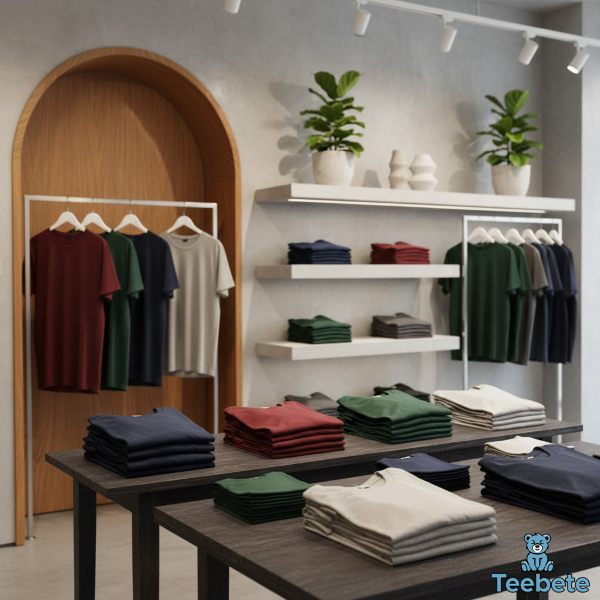
The premium look and feel of tri-blend fabric makes it a favorite for fashion brands and retail applications. The natural heathered appearance and exceptional drape create an upscale aesthetic that consumers associate with quality. Brands like Teebete recognize that tri-blend clothing offers the premium positioning that discerning customers seek.
Custom Printing and Branding
While tri-blend fabric requires some printing considerations, it creates beautiful results for custom designs. The heathered texture adds dimension to prints, particularly vintage-style graphics. Screen printing works exceptionally well on tri-blend shirts, and the fabric’s smooth surface provides an excellent printing canvas for detailed designs.
How Tri-Blend Fabric Is Made
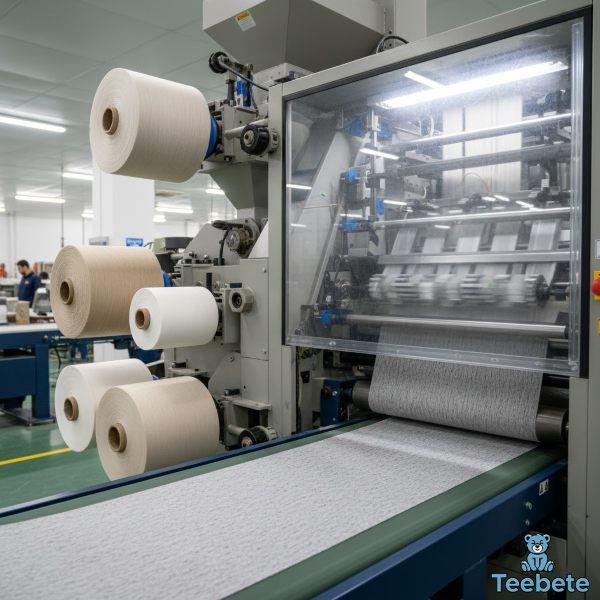
Understanding the manufacturing process behind tri-blend material helps appreciate the engineering that goes into creating this superior shirt material. The process begins with selecting high-quality fibers—often ringspun cotton for extra softness, polyester for durability, and carefully processed rayon for its silk-like qualities.
These fibers are blended together during the yarn-spinning process, ensuring even distribution throughout the fabric. The yarn is then knitted into jersey fabric, typically using a 30-single or finer construction that creates a smooth, tight knit. This construction method contributes to the fabric’s premium feel and durability.
Quality control during manufacturing is crucial for producing consistent tri-blend fabric that maintains the desired ratio of materials and achieves the characteristic soft hand feel that defines premium tri-blend t-shirts.
Caring for Your Tri-Blend T-Shirts
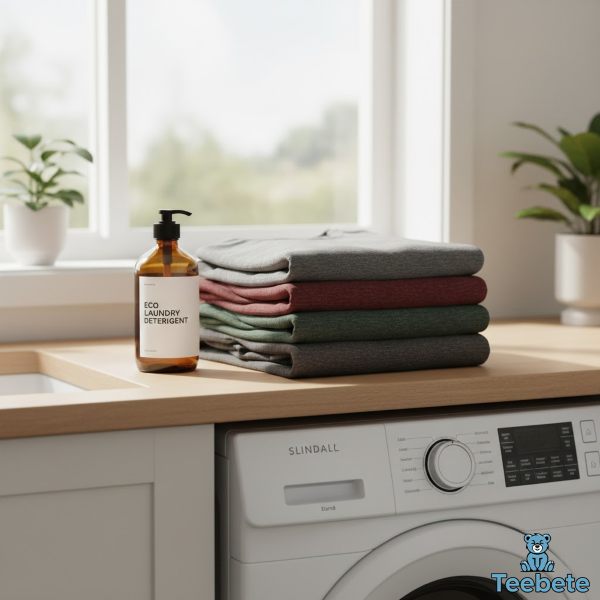
Proper care ensures your tri-blend clothing maintains its premium qualities for years:
Washing Guidelines:
- Machine wash in cold water to preserve colors and fabric integrity
- Use mild detergent; avoid harsh chemicals or bleach
- Wash with similar colors, particularly for heathered fabrics
- Turn shirts inside out to protect prints and exterior finish
Drying Recommendations:
- Tumble dry on low heat or hang dry for best results
- The polyester content makes tri-blend shirts naturally quick-drying
- Avoid high heat, which can potentially damage rayon fibers
- Remove promptly to minimize wrinkles
General Maintenance:
- Iron on low heat if needed, though tri-blend fabric is naturally wrinkle-resistant
- Store folded or hung to maintain shape
- The durable fabric resists most stains, but treat any spots promptly for best results
The Environmental Consideration
When evaluating tri-blend fabric from a sustainability perspective, it’s important to consider that the polyester and rayon components are synthetic or semi-synthetic materials requiring industrial processing. The cotton component is natural, and increasingly, manufacturers are sourcing organic cotton for their tri-blend clothing.
Some brands are now producing tri-blend material using recycled polyester fibers, reducing the environmental impact while maintaining the performance characteristics that make tri-blend fabric exceptional. As sustainability becomes increasingly important to consumers, these eco-conscious options in premium t-shirts continue to evolve.
Why Tri-Blend Fabric Represents Premium Quality
Several factors establish tri-blend fabric as a premium choice for quality tees:
- Enhanced Comfort: The silky softness and breathable nature create an elevated wearing experience that exceeds standard cotton shirts
- Superior Performance: Moisture-wicking capabilities and quick-drying properties make tri-blend clothing functional for diverse activities
- Long-Lasting Durability: The resilient fabric composition ensures premium t-shirts maintain their appearance and structure through years of wear
- Versatile Style: The refined drape and heathered appearance provide a fashionable aesthetic suitable for various settings
- Value Proposition: While tri-blend shirts typically cost more initially, their longevity and maintained appearance offer excellent long-term value
Tri-Blend Fabric Pros and Cons
Advantages:
- Exceptionally soft and comfortable
- Excellent moisture management
- Minimal shrinkage and wrinkling
- Superior color retention
- Flattering drape and fit
- Lightweight yet substantial
- Versatile for multiple applications
- Long-lasting durability
Considerations:
- Higher price point than basic cotton tees
- May not appeal to those preferring 100% natural fibers
- Lighter weight may not suit those preferring heavier shirts
- Vintage-style prints may not work for all design aesthetics
- Requires appropriate heat settings when ironing
Choosing the Right Tri-Blend T-Shirts
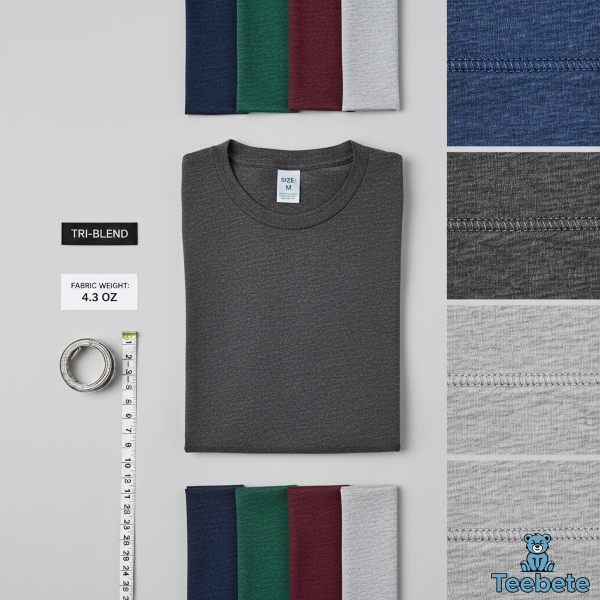
When selecting tri-blend clothing, consider these factors:
Purpose: Determine whether you need shirts for everyday casual wear, athletic activities, fashion applications, or custom printing projects. Different applications may benefit from specific tri-blend fabric weights or constructions.
Fit Preference: Tri-blend shirts typically offer a more fitted, contoured silhouette. If you prefer a relaxed fit, consider sizing up or seeking brands that offer different fit options within their tri-blend offerings.
Quality Indicators: Look for tri-blend fabric made with ringspun cotton rather than open-end cotton for superior softness. Check the fabric weight—typically 3.8 to 4.3 ounces for a good balance of substance and lightness. Examine the stitching quality and finishing details that indicate overall garment quality.
Brand Reputation: Established apparel brands with expertise in premium t-shirts will generally offer higher-quality tri-blend clothing. Look for manufacturers who provide detailed information about their fabric composition and manufacturing processes.
The Future of Tri-Blend Fabric
As textile technology continues advancing, tri-blend fabric development evolves to meet changing consumer expectations. Innovations focus on improving sustainability through recycled materials, enhancing performance characteristics for specialized applications, and refining the manufacturing process for greater consistency and quality.
The growing demand for premium tees that combine comfort, performance, and style ensures that tri-blend material will remain relevant in the apparel industry. As more consumers experience the benefits of quality tri-blend t-shirts, this fabric composition continues expanding its presence in both retail and custom apparel markets.
Conclusion
Tri-blend fabric represents a significant advancement in t-shirt technology, successfully combining cotton polyester rayon into a superior textile that addresses nearly every desirable quality in premium apparel. The unique blend creates shirts that are remarkably soft yet durable, lightweight yet substantial, and comfortable across diverse applications.
Understanding what makes tri-blend fabric premium—from its carefully balanced composition to its exceptional performance characteristics—helps consumers make informed decisions when building their wardrobe. Whether you’re seeking comfortable shirts for daily wear, performance apparel for athletic activities, or quality tees for custom branding, tri-blend clothing offers compelling advantages that justify its premium positioning.
The difference between tri-blend and regular cotton tees becomes evident from the first wear—the silky softness, the flattering drape, the comfortable stretch, and the confidence that comes from wearing a garment engineered for both comfort and longevity. For those who appreciate the finer details that separate adequate from exceptional, tri-blend fabric delivers on every promise of premium quality.
As you explore options for your next t-shirt purchase, consider how the benefits of tri-blend fabric align with your needs and preferences. The investment in quality tri-blend t-shirts pays dividends through years of comfortable wear, maintained appearance, and versatile style that works across countless occasions.
Summary Table: Key Points About Tri-Blend Fabric
| Category | Key Information |
|---|---|
| Composition | 50% polyester, 25% cotton, 25% rayon (standard ratio) |
| Primary Benefits | Exceptional softness, moisture-wicking, durability, minimal shrinkage |
| Texture | Silky smooth with natural heathered appearance |
| Weight | Lightweight (3-4.3 oz), yet opaque and substantial |
| Breathability | Excellent air circulation and moisture management |
| Durability | Superior shape retention, wrinkle-resistant, fade-resistant |
| Best For | Everyday wear, athletic activities, fashion retail, custom printing |
| Fit Style | Semi-fitted with flattering drape and flexibility |
| Care | Machine washable, quick-drying, low-maintenance |
| Comparison to Cotton | Softer, more durable, better moisture-wicking, less shrinkage |
| Comparison to Poly-Cotton | Superior softness and drape, more premium feel |
| Price Point | Higher than basic tees, justified by quality and longevity |
| Visual Appeal | Vintage aesthetic with heathered texture (solid options available) |
| Performance | Excellent for active wear with stretchy, breathable properties |
| Sustainability | Improving with recycled polyester options and organic cotton |
| Overall Rating | Premium choice for quality t-shirts across applications |

Hi, I’m Mia Wilson. I’m a journalist and content creator based in New York with over six years of experience covering sports, holidays, fan culture, and community events across the United States. I focus on exploring team histories, traditions, celebrations, and the broader impact of sports and cultural events on local communities. I’m passionate about providing accurate, engaging, and educational content for readers of all ages, helping them understand the stories, experiences, and events that make sports and celebrations so meaningful.