Layering Tips for Pittsburgh Steelers Fans Attending Winter Games
Preparing for the Reality of Winter Steelers Games
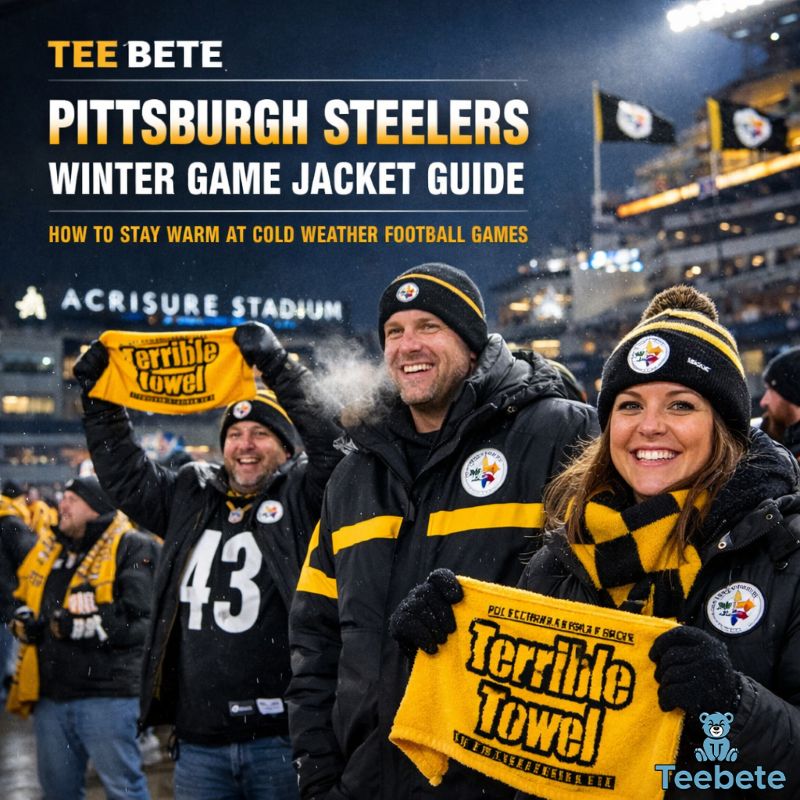
Late-season Pittsburgh Steelers games are famous for two things: the electric atmosphere inside the stadium and the brutal, unpredictable winter weather outside. Fans who attend matchups in November, December, or January regularly face freezing temperatures, biting winds, and several hours spent completely outdoors between tailgating and kickoff.

Many first-time visitors underestimate just how cold an open stadium can feel once the sun goes down. Planning the right outfit is not optional, it is essential for enjoying the full game day experience without misery setting in before halftime.
Fans who are new to game day preparation often start by exploring a complete Steelers fan apparel guide to understand which clothing options perform best in cold weather conditions.
This guide walks through everything Steelers fans need to build a practical winter layering system that keeps them warm and comfortable while proudly representing the black and gold.
Why Winter Games in Pittsburgh Feel Much Colder Than Expected
Open Stadium Design and Wind Exposure
Because Acrisure Stadium is an open-air venue, wind moving through the seating bowl can amplify cold temperatures significantly during late-season games. The stadium also sits near the convergence of three rivers, a geographic location that channels cold air and wind directly into the stands with little obstruction. Even when the official temperature forecast looks manageable, the wind chill effect can make the environment feel dramatically colder than the number on your weather app suggests.
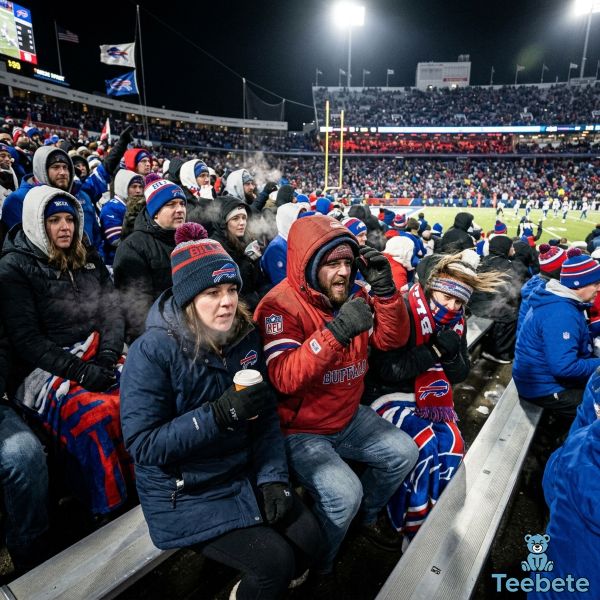
Fans who remain seated for long stretches experience accelerated heat loss, particularly during evening and night games when temperatures continue to drop throughout the matchup.
How Long Fans Actually Spend Outside
A typical Steelers game day involves far more outdoor time than people anticipate. Consider the full timeline:
- 2 to 4 hours of pregame tailgating
- Walking to and from the stadium
- A three-hour football game
- Waiting in crowds during post-game exit
That adds up to five to seven hours spent outdoors in full winter conditions. Dressing for the game alone is simply not enough preparation.
Understanding Wind Chill and Why It Matters More Than Temperature
Wind chill is the perceived temperature your skin actually experiences when wind accelerates heat loss from your body’s surface. At Acrisure Stadium, wind does not simply blow past you the way it does on an open street. It moves through the seating bowl in unpredictable patterns, hitting exposed skin repeatedly and stripping away the thin layer of warm air your body naturally generates around itself.
Here is a practical example of why this matters. A game day temperature of 30 degrees Fahrenheit with a 15-mile-per-hour wind produces a wind chill of approximately 19 degrees. At 25 degrees with the same wind speed, the felt temperature drops closer to 13 degrees. The actual forecast temperature understates the real experience by ten to fifteen degrees under typical stadium conditions.
This is why experienced fans always check the wind chill alongside the temperature forecast before finalizing what to wear. A jacket that works perfectly in still air can leave you shivering the moment you sit down in an exposed upper-deck section.
The Three-Layer System That Keeps Football Fans Warm
Experienced NFL fans and cold-weather outdoor enthusiasts alike rely on the same fundamental approach: a three-layer clothing system that balances warmth, breathability, and flexibility. Each layer serves a specific function, and together they work far better than any single heavy garment.

Base Layer: Managing Moisture and Body Heat
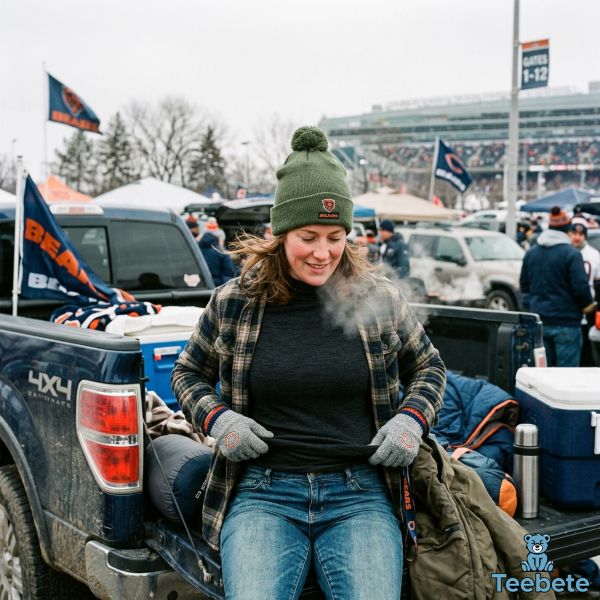
The base layer sits directly against your skin and handles one critical job: keeping you dry. When your body generates heat, it also produces sweat. A poor base layer traps that moisture against your skin, which causes your core temperature to drop rapidly.
Recommended base layer materials include:
- Merino wool: Naturally moisture-wicking, odor-resistant, and warm even when damp
- Synthetic thermal fabrics: Lightweight and effective at pulling sweat away from the skin
- Athletic compression materials: Provide warmth while supporting circulation
One material to avoid entirely is cotton. Cotton absorbs moisture and holds it against the body, making you significantly colder over time. This applies to both shirts and socks.
Mid Layer: The Core Insulation Layer
The mid layer is responsible for trapping warm air close to your body. It is where most of your insulation comes from, and it is also the layer where Steelers fans have the most opportunity to show team spirit.
Popular mid-layer options for football games include:
- Fleece pullovers
- Hooded sweatshirts
- Lightweight insulated jackets
Many fans browse official Pittsburgh football fan clothing to find insulating apparel that still reflects their team identity without sacrificing warmth.
Outer Layer: Blocking Wind and Snow
The outer layer is your shield against the elements. Its primary job is to block wind, repel rain, and prevent snow from soaking through to your insulating layers underneath.
Effective outer layer options for stadium seating include:
- Windproof jackets
- Insulated parkas
- Waterproof shells
For extended sitting in stadium seats, a slightly longer jacket that covers the hips and upper legs provides meaningful additional protection from cold air moving through the stands.
Essential Winter Accessories for Cold Steelers Games
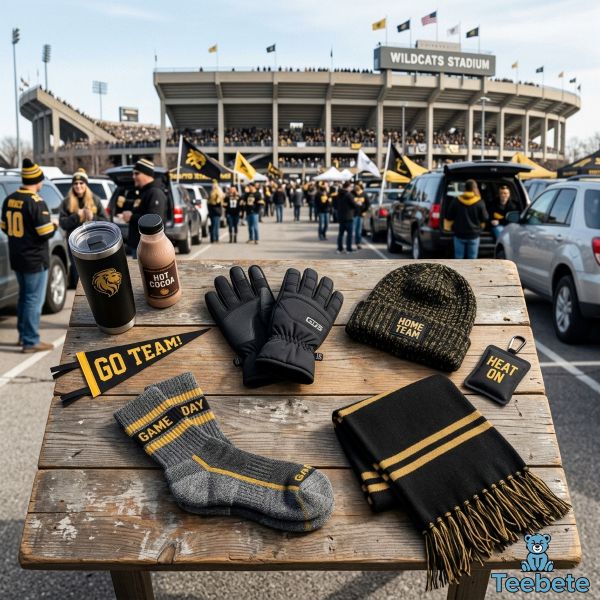
Clothing layers handle most of the work, but accessories make the difference between tolerating the cold and genuinely enjoying the game. Extremities lose heat faster than the core of your body, and no amount of layering on your torso compensates for frozen hands and feet.
Must-Have Accessories for Winter Stadium Seating
Steelers fans attending winter games consistently recommend bringing the following:
- Insulated gloves: Look for options that allow some finger dexterity for food and phones
- Knit beanies: A significant amount of body heat escapes through the head
- Thermal socks: Wool or synthetic blends outperform standard cotton socks in cold conditions
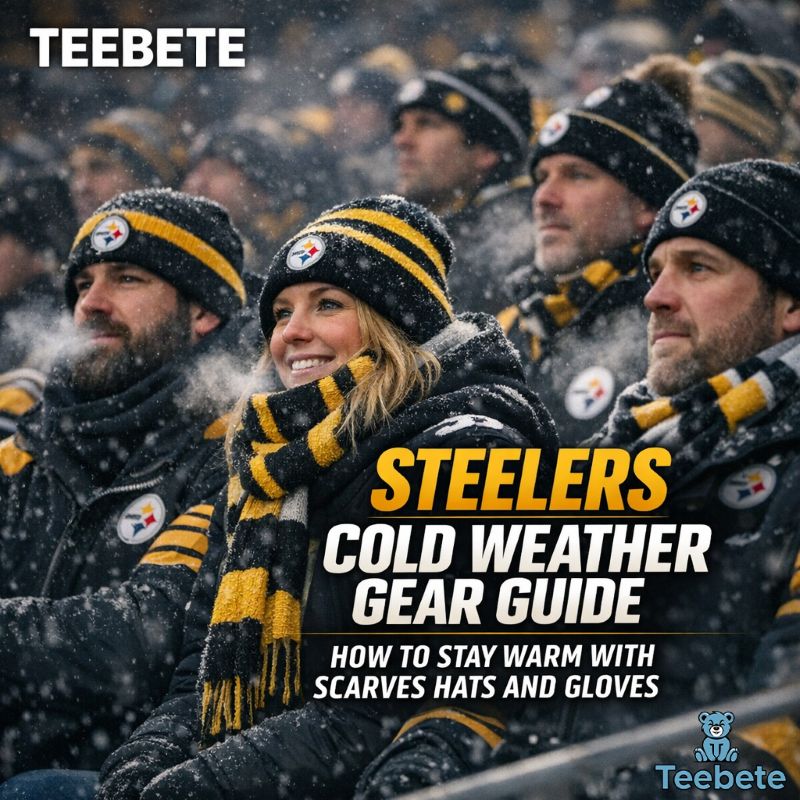
- Scarves or neck gaiters: Block cold air from reaching your core through your collar
- Disposable hand warmers: Inexpensive and highly effective during night games or stretches of inactivity
What Steelers Fans Should Wear to Winter Tailgates
Tailgating is not a side event for Steelers fans, it is a central part of game day culture. Pregame gatherings routinely last several hours and require clothing that stays comfortable through a range of activities including standing, walking, and socializing around grills and outdoor setups.
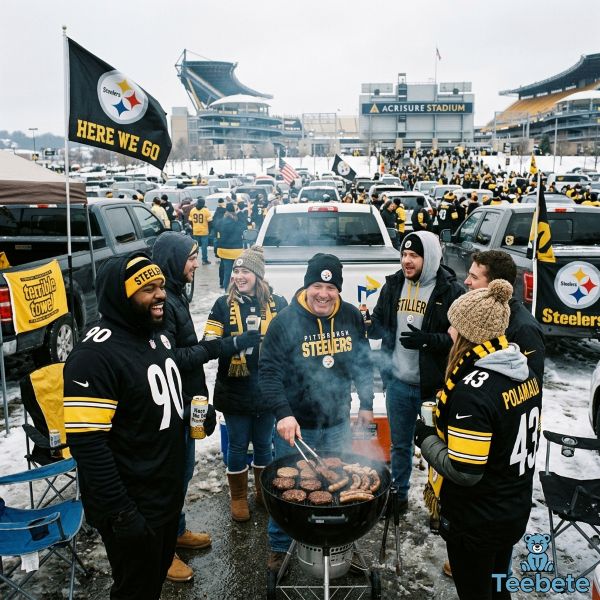
A practical tailgate outfit for cold weather typically includes:
- A thermal base layer underneath everything else
- A hoodie or midweight fleece as the main insulating layer
- A wind-resistant jacket as the outer shell
- Insulated boots to keep feet warm on cold pavement and grass
Some fans enjoy expressing their personality through creative fan-themed pieces. A custom Steelers tropical fan shirt worn over a warm hoodie during daytime tailgates brings color and personality to the parking lot atmosphere while still maintaining a solid layering foundation underneath.
Game Day Outfit Ideas for Different Winter Temperatures
Not every winter game arrives with the same conditions. Here is a practical breakdown of what to wear based on the temperature range you are likely to encounter.
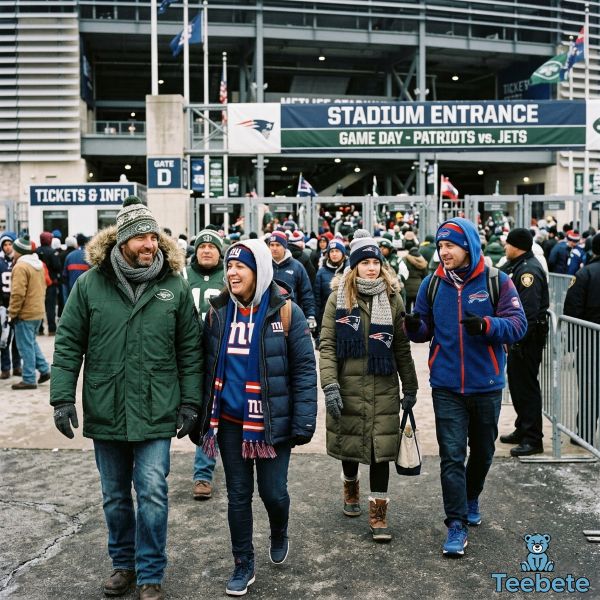
Mild Winter Game (35 to 45 degrees Fahrenheit)
At this temperature range, comfort is achievable without extreme measures:
- Thermal base layer shirt
- Steelers hoodie or fleece
- Medium-weight jacket
- Jeans or warm pants
- Beanie and light gloves
Cold Game (25 to 35 degrees Fahrenheit)
This range requires a more intentional layering approach:
- Thermal base layer top and bottoms
- Fleece or thick hoodie
- Insulated jacket
- Thermal socks
- Gloves and disposable hand warmers
Freezing Night Game (Below 25 degrees Fahrenheit)
Night games in this temperature range demand full commitment to warmth:
- Thermal base layer on both top and bottom
- Thick fleece mid layer
- Heavy insulated parka as the outer shell
- Double socks (thermal liner plus a wool outer sock)
- Insulated gloves and multiple hand warmers
Even during the coldest games, fans find ways to incorporate their team spirit into their outfit choices. Items like a hibiscus-themed Steelers fan shirt layered over hoodies add personality and conversation value, particularly during warmer afternoon kickoffs or indoor pregame events.
Small Tricks Experienced Steelers Fans Use to Stay Warm
Clothing and accessories cover the fundamentals, but longtime Steelers fans have developed a set of practical habits that make a genuine difference during long winter games. These are the kinds of tips that rarely appear in standard gear guides but get passed down through seasons of real stadium experience.
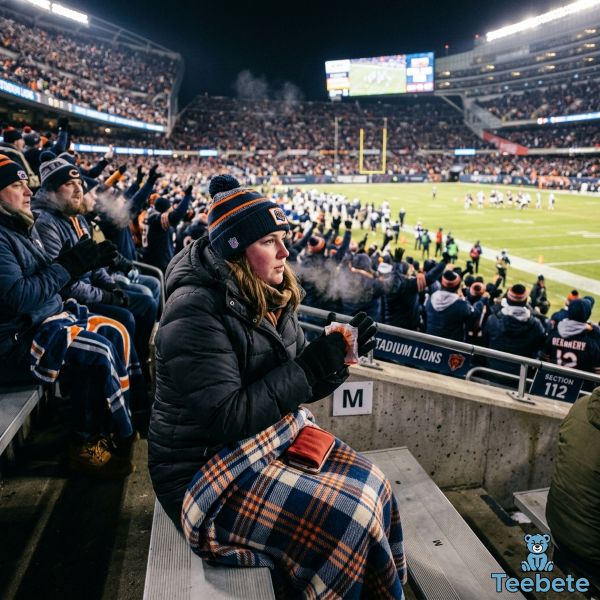
Bring a seat cushion or folded cardboard. The concrete and metal seating surfaces at Acrisure Stadium act as heat sinks, pulling warmth away from your body through direct contact. A foam seat cushion or even a folded piece of cardboard placed under you creates an insulating barrier that reduces heat loss from below, which is a direction many fans forget to protect.
Use foot warmers in addition to hand warmers. Adhesive foot warmer pads attach directly to the bottom of your socks and provide several hours of low-level heat. For games below 25 degrees, they make a dramatic difference in overall comfort since cold feet tend to make the rest of the body feel colder regardless of how well layered everything else is.
Bring a stadium blanket or wool throw. Many fans drape a compact blanket over their legs during the game. Stadiums typically permit blankets through security, and a blanket over your lap adds meaningful insulation during the long static stretches between plays.
Carry a thermos of hot coffee, tea, or broth. Warm liquids help maintain core body temperature from the inside. Canned or bottled drinks at winter games are extremely cold before you even finish them, making a preloaded thermos one of the most practical decisions you can make on the way to the stadium.
Wear your warmest layer last, not first. Many fans make the mistake of layering up completely during the tailgate when they are active and warm, then arriving at their seat already sweaty. Instead, keep the outer insulating layer in your bag during the active pregame period and put it on once you settle into your seat and your activity level drops.
Common Clothing Mistakes at Cold NFL Games
Even experienced fans occasionally make preparation errors that affect their comfort throughout the game. Here are the most frequent mistakes to avoid.
Wearing Too Few Layers
One thick jacket, no matter how heavy, is rarely sufficient for five or more hours in freezing conditions. The layering system works because each piece performs a different function. Skipping layers means skipping protection.
Ignoring Wind Chill
The forecast temperature is only part of the equation. Wind inside open stadiums creates a chill factor that can make 30-degree weather feel like 15 degrees. Always check the wind chill forecast before deciding on your outer layer.
Forgetting Proper Footwear
Cold feet are one of the most common complaints from fans who otherwise dressed well for winter games. The stands are cold, the concrete radiates chill upward, and the body diverts circulation away from extremities when the core gets cold. Insulated boots and thermal socks are non-negotiable for sub-freezing conditions.
Showing Team Pride While Staying Warm
One of the defining features of attending a Steelers game is the visual impact of an entire stadium section draped in black and gold. That collective display of loyalty is something every fan wants to be a part of, and the three-layer system makes it easy to participate without sacrificing warmth.
Layering creates natural opportunities to incorporate multiple fan-themed pieces into a single outfit. A base layer under a Steelers hoodie under an insulated jacket lets fans peel back layers in warmer moments while always having team colors visible.
For fans who appreciate distinctive or creative apparel, pieces like a yellow hibiscus Steelers aloha fan shirt add a unique element to tailgates or travel games in warmer locations, complementing the standard game day wardrobe with something that stands out in the crowd.
Supporting Fans Who Love Creative Steelers Apparel
At Teebete, we understand that game day clothing carries meaning well beyond its functional purpose. The apparel fans wear to games reflects loyalty, community, and the traditions that make supporting the Steelers a genuine part of identity for so many people.
Our focus is on creating expressive, fan-inspired pieces that help supporters celebrate their team identity in creative and personal ways, while remaining comfortable and practical for the full range of game day experiences.
How to Stay Comfortable Through an Entire Winter Game
Staying comfortable from tailgate to final whistle requires preparation, not luck. Here is a summary of the key principles that experienced fans apply every time:
- Build a proper three-layer system rather than relying on a single heavy piece
- Pack gloves, hand warmers, and a beanie even when the forecast seems borderline
- Choose a wind-resistant outer layer rather than just a thick one
- Wear insulated boots and thermal socks, not regular sneakers
- Dress for the conditions at kickoff, not for what it felt like when you left home
With the right preparation in place, even the coldest winter temperatures cannot prevent fans from experiencing the full electricity of live Steelers football.
Questions Fans Often Ask Before Attending Cold Steelers Games
What should you wear to a Steelers game in winter?
The most reliable approach is the three-layer system: a moisture-wicking thermal base layer, an insulating mid layer such as a Steelers hoodie or fleece, and a wind-resistant outer jacket. Add gloves, a beanie, and thermal socks to complete the setup.
How cold do Pittsburgh Steelers games get?
Late-season games typically range from the mid-20s to the upper 30s Fahrenheit. However, wind chill inside the open stadium can make conditions feel substantially colder than the official temperature reading.
Are gloves necessary for winter football games?
Yes, especially for night games or any matchup below 35 degrees. Hands lose heat quickly during long periods of inactivity in the stands, and cold hands make it difficult to enjoy the experience regardless of how warm the rest of your body feels.
Can fans still wear themed outfits during winter games?
Absolutely. Many Steelers supporters build layered outfits that incorporate fan-themed apparel at multiple levels. Creative pieces can be worn over base layers, under jackets, or as the visible top layer during milder pregame moments, allowing fans to celebrate team culture without compromising on warmth.

Hi, I’m Mia Wilson. I’m a journalist and content creator based in New York with over six years of experience covering sports, holidays, fan culture, and community events across the United States. I focus on exploring team histories, traditions, celebrations, and the broader impact of sports and cultural events on local communities. I’m passionate about providing accurate, engaging, and educational content for readers of all ages, helping them understand the stories, experiences, and events that make sports and celebrations so meaningful.