Vintage Pittsburgh Steelers Apparel Guide
At Acrisure Stadium tailgates, you’ll spot Steelers tees with a worn-in look before you spot anything else, because in Pittsburgh, black and gold has always meant something bigger than a color scheme. This guide breaks down what actually counts as true vintage, how to tell it apart from retro-inspired gear, and how to build a wardrobe that feels earned instead of costume-y.
At a glance:
- True vintage was manufactured during the era it represents and carries collector value.
- Retro-inspired apparel is made today to look old and is built for regular wear.
- Tags and stitching are the fastest way to tell the two apart.
- Most fans end up owning a mix of both, for different reasons.
Why Vintage Steelers Apparel Never Goes Out of Style

This category stays relevant because it’s tied to a franchise that measures its identity in decades, not seasons. The team was founded on July 8, 1933, by Art Rooney as the Pittsburgh Pirates, borrowing the name from the city’s baseball club, and didn’t become the Steelers until a 1940 fan-submitted contest run with the Pittsburgh Post-Gazette settled on the name as a nod to the local steel industry.
The 1970s Steel Curtain teams are the real reason so much of this gear still feels relevant. Under head coach Chuck Noll, Pittsburgh won four Super Bowls in six seasons behind a defensive line anchored by “Mean” Joe Greene, L.C. Greenwood, Ernie Holmes, and Dwight White, with nine players from that era making the Pro Football Hall of Fame. Names like Terry Bradshaw and Franco Harris carried the offense through that same run, and jerseys tied to that backfield are still some of the most recognizable pieces in the vintage market. That stretch gave the black and gold a visual identity fans are still chasing on tees and jackets fifty years later, according to the Pro Football Hall history.
There’s a simpler reason too. Black and gold is genuinely versatile, pairing with denim, camo, and flannel the same way it pairs with a stadium seat in December. Plenty of fans wear it long after the season ends, which is part of why retro Steelers gear shows up as often at a coffee shop as it does on game day.
True Vintage vs. Retro-Inspired: Knowing the Difference
True vintage apparel was produced during a specific historical era, commonly the 1970s through the 1990s, under the NFL licensing rules of that time, often by manufacturers like Sand-Knit, Logo 7, or Starter. Its value comes from scarcity, condition, and the specific season or player it represents.
Retro-inspired apparel is newly manufactured clothing designed to evoke a past era through distressed screen printing and washed or garment-dyed fabrics. It skips the scarcity of true vintage but solves the two biggest problems with wearing original pieces: fragile fabric and inconsistent sizing.
| Factor | True Vintage | Retro-Inspired |
|---|---|---|
| Production era | Original decade (1970s to 1990s) | Manufactured today |
| Licensing | Period-correct official NFL license | Current official or unlicensed reproduction |
| Fabric condition | Naturally aged, can be fragile | New, durable for regular wear |
| Sizing consistency | Inconsistent, era-specific cuts | Modern, consistent sizing |
| Collector value | High, grows with rarity | Low to none |
| Everyday wearability | Limited, best for careful use | High, built for rotation |
| Typical price range | $75 to $400 or more | $25 to $70 |
The Most Iconic Steelers Apparel Eras
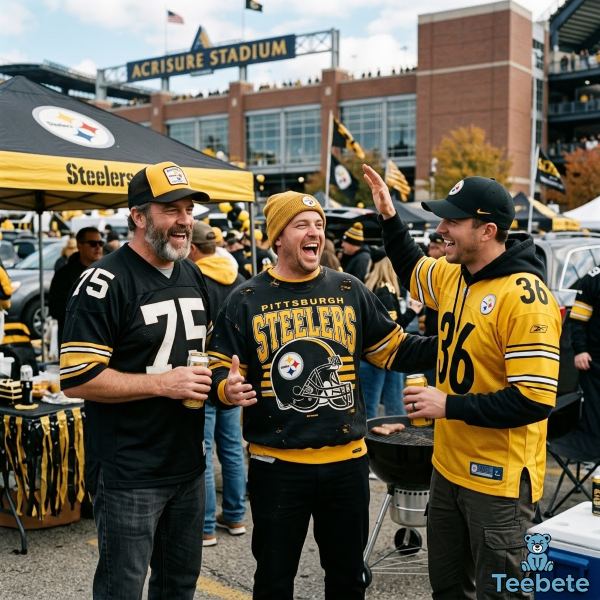
1970s Steel Curtain Era. Bold block lettering, the Steelmark logo, and heavyweight cotton construction define this era’s look.
1980s and 1990s Graphic Sweatshirts. Brands like Champion, Nutmeg Mills, and Salem Sportswear put oversized silhouettes and loud all-over graphics on licensed NFL crewnecks, turning them into closet staples that outlasted the season.
Early 2000s Throwback Fashion. The throwback boom, led by brands like Mitchell & Ness, reintroduced Steel Curtain-era jerseys and colorways to a new generation and helped turn old Steelers apparel into a fashion statement rather than a garage-sale item.
What Vintage Tags and Stitching Actually Tell You
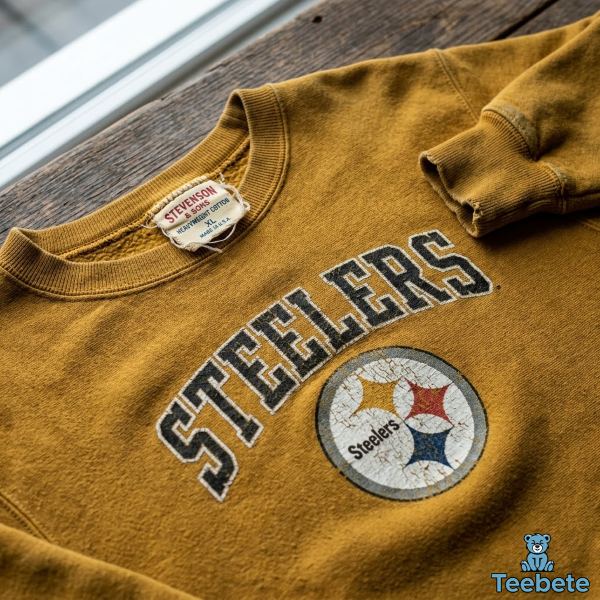
Don’t stop at the faded graphic. Flip the shirt inside out, since the neck tag is the closest thing to a lie detector for authenticating old-school gear.
- Tag brand. A Sand-Knit or Logo 7 tag usually points to the ’70s or ’80s. Starter, Nutmeg, or Salem tags are more common on ’90s pieces.
- Stitching style. Single-needle stitching and simpler tag construction show up on older, pre-2000s manufacturing, sometimes called single-stitch tees among collectors.
- Print texture. Plastisol and puff-print techniques from the ’80s and ’90s have a raised, rubbery feel that modern water-based prints don’t replicate.
- Shrinkage and dry rot. Older cotton blends shrink more aggressively, and stored-away pieces can develop dry rot, small holes along seams and fold lines from fabric breakdown.
- Resale value. Pieces with intact, legible tags consistently resell for more than unmarked or heavily worn items.
How to Spot High-Quality Vintage Steelers Apparel
If you’ve ever bought a vintage Steelers tee online, you’ve probably opened the package and found a stretched collar or a tag that didn’t match the listing photos. That’s the risk of buying sight unseen, and it’s why these five checks matter before you commit:
- Check the fabric weight. Genuine vintage cotton tends to be heavier and denser than modern lightweight blends.
- Look for uneven fading. Authentic fading follows wash and sun patterns, not a uniform screen-printed effect.
- Confirm the licensing marks. Period-correct NFL Properties tags, not modern hologram tags, on anything claiming to be pre-2000s.
- Check the fit. Vintage cuts often run smaller and boxier than modern athletic fits.
- Inspect the collar and underarms. These areas typically fade first and hardest on true vintage pieces.
Hunting for the right true-vintage cut takes real time and patience. If you want something field-ready by Sunday without giving up that old-school look, the best Steelers fan gear roundup covers modern picks that still carry the blue-collar Pittsburgh feel.
Styling Vintage Steelers Apparel for Modern Game Day
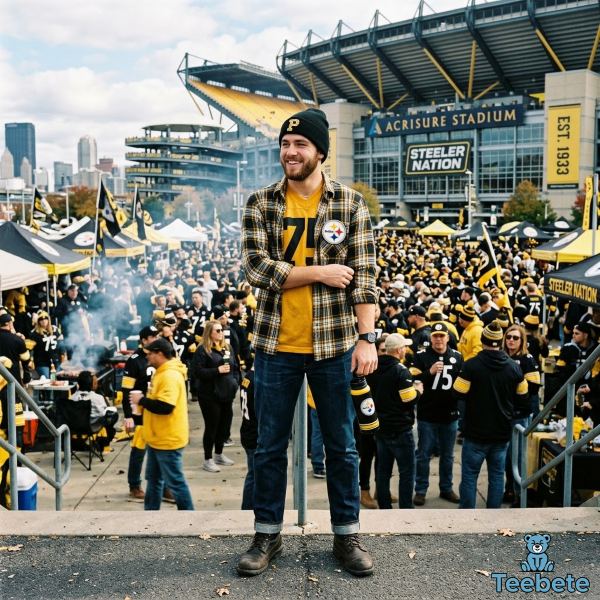
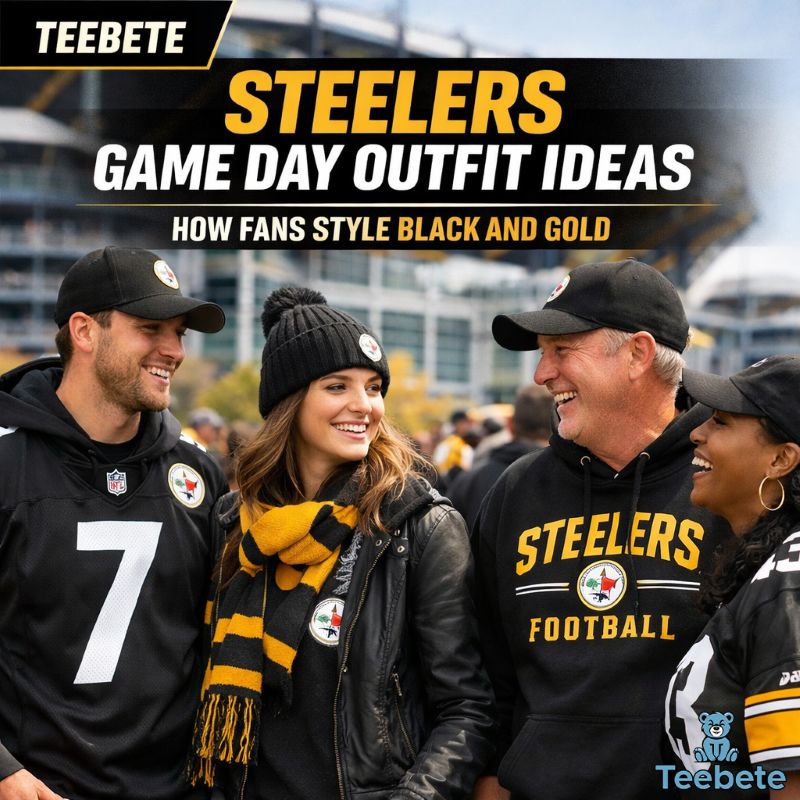
Tailgate outfits work best with a distressed tee under an open flannel, dark denim, and work boots. It’s the blue-collar look the franchise was built on, without trying too hard.
Casual weekend looks hold up well with a retro-inspired crewneck and joggers or straight-leg denim, especially in a muted, washed colorway rather than the brightest current team colors.
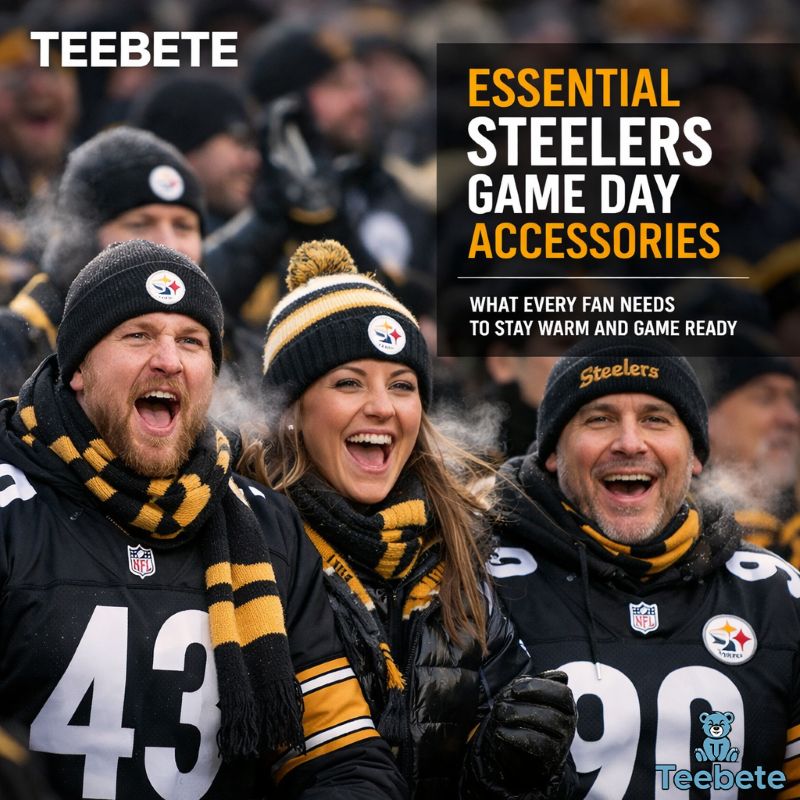
Cold-weather layering matters more in Pittsburgh than in most NFL cities, and a single hoodie usually isn’t enough once the wind picks up off the river. Pair a retro graphic tee with a mid-weight flannel and a structured jacket so the outfit stays intact instead of disappearing under one bulky coat. The Steelers hoodie outfit ideas breakdown has a few combinations worth stealing for the next cold Sunday.
Where to Buy Vintage Steelers Apparel Today
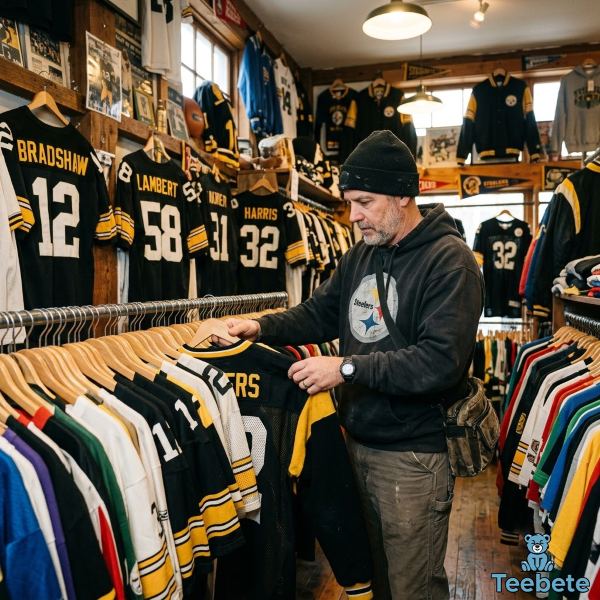
True vintage stores and estate sales remain the most reliable source for period-correct pieces, though inventory is unpredictable and prices swing with condition. Online resale marketplaces offer the widest selection but demand real diligence on listing photos and seller history. Licensed retailers guarantee authenticity but rarely stock true vintage. Retro-inspired collections from fan-focused sellers land in the middle: no collector-grade scarcity, but consistent sizing and prices that won’t break the bank.
Fans who want a team-first starting point rather than sifting through general marketplace listings can browse the top Steelers apparel picks, which stays organized around Pittsburgh gear specifically.
Common Mistakes When Buying Vintage Steelers Apparel
- Buying fake vintage. Sellers sometimes distress modern blanks and market them as decades-old originals.
- Ignoring fabric condition. A good photo can hide moth damage or weakened seams that only show up once the item arrives.
- Getting the sizing wrong. Vintage sizing rarely matches modern standards, so a “large” from 1985 can fit like a modern medium.
- Paying collector prices for reproductions. Retro-inspired pieces should never cost what true vintage commands.
- Mixing up retro and vintage. The terms get used interchangeably, but they describe different products with different value.
Building a Vintage Steelers Wardrobe Over Time
Skip the single big purchase and build the wardrobe piece by piece. Start with a t-shirt in a classic Steelmark or Steel Curtain-era graphic, the cheapest, most versatile entry point. Add a hoodie for cold-weather rotation, then a crewneck for something dressier. A jacket comes once you know your preferred silhouette, and accessories like caps or pins round things out. This sequencing keeps you from overspending on pieces that end up sitting in a drawer. The complete Steelers shirt guide goes deeper into shirt styles specifically if that’s where you’re starting.
How Vintage Apparel Reflects Steelers Fan Culture
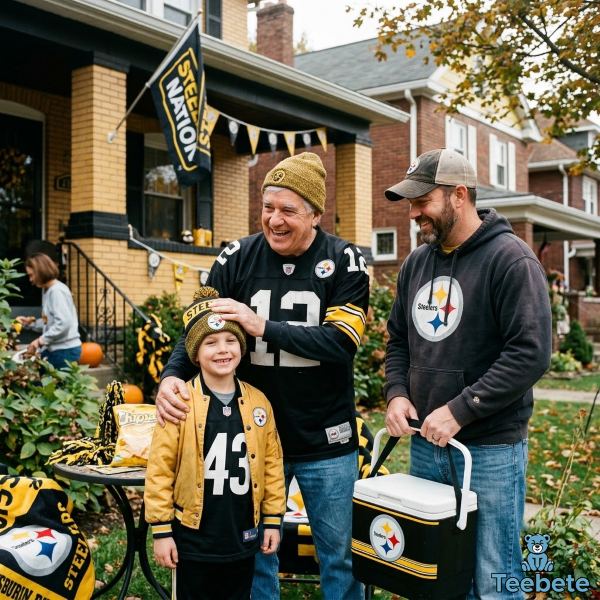
Steelers fandom runs generational in a way few other NFL fan bases match, and the apparel tracks that directly. It’s common for a Steel Curtain-era jacket to move from a grandfather’s closet to a grandson’s rotation, tailgate stories included. Pittsburgh’s fan base is also built around the Terrible Towel, introduced by broadcaster Myron Cope during a 1975 playoff game against the Baltimore Colts. Fans packed the stands waving yellow dish towels, the Steelers won, and the gimmick turned into a permanent tradition still visible at every home game, according to the official Steelers Terrible Towel history.
That inherited identity is a big reason black and gold gear resists trend cycles the way jerseys from less historically dominant franchises don’t. The franchise’s early decades were marked by financial struggle and just one playoff appearance between 1933 and 1971, which makes the loyalty built after the 1970s dynasty feel earned rather than assumed. The Steelers fan culture guide covers more of the traditions behind the gear if you want the fuller picture.
True Vintage or Retro-Inspired: Which One Fits Your Closet?
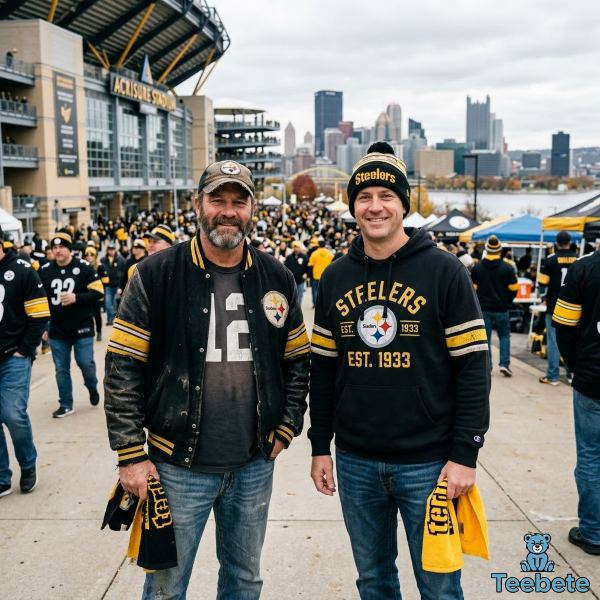
Think about how you’ll actually use the piece. Going into your weekly game day rotation, comfort beats collector value every time and retro-inspired wins. Buying something to frame, store, or hand down, authenticity becomes the whole point, and true vintage is worth the hunt.
| Factor | Authentic Vintage | Retro-Inspired |
|---|---|---|
| Comfort | Often stiff or thinned from age | Consistently soft, built for wear |
| Sizing | Unpredictable across brands and decades | Standardized modern sizing |
| Durability | Fragile, needs careful handling | Durable for regular washing |
| Availability | Limited and unpredictable | Widely available year-round |
| Maintenance | Hand-wash, limited drying, careful storage | Machine washable, low maintenance |
That’s exactly why we started building retro-inspired collections here at Teebete. We wanted the grit and visual weight of a Steel Curtain-era tee without the anxiety of ruining a fragile original in the wash.
Key Takeaways
- True vintage Steelers apparel was made during the original era and holds collector value.
- Retro-inspired apparel trades scarcity for comfort, durability, and consistent sizing.
- Tags, stitching, and print texture are the fastest way to estimate age and authenticity.
- Authentic fading happens unevenly; artificial distressing tends to look uniform.
- Most fans end up owning both types for different reasons: display versus everyday wear.
Final Thoughts
Vintage Steelers apparel sits at the intersection of football history and personal style, and the two goals don’t always point the same direction. If heritage and collector value matter most, true vintage pieces from the Steel Curtain and Starter eras are worth the hunt. If comfort and everyday wearability matter more, retro-inspired apparel delivers the same black and gold identity without the fragility. Either path works, as long as you know which one you’re buying before you check out.
Questions Fans Often Ask About Vintage Steelers Apparel
Is vintage Steelers apparel worth buying? Yes, for fans who value scarcity and historical authenticity, since true vintage from the 1970s through the 1990s can hold or grow in value. For everyday wear, retro-inspired is usually more practical.
How can I tell if Steelers apparel is truly vintage? Check the fabric weight, stitching style, tag construction, and licensing marks. Genuine vintage shows natural, uneven fading that reproductions rarely replicate accurately.
Is retro-inspired apparel considered vintage? No. Retro-inspired apparel is newly made to look old through distressing and washing, while true vintage refers only to items actually produced during the era they represent.
What colors are most collectible? Classic black and gold pieces from the Steel Curtain era are the most collectible, particularly items tied to the 1970s dynasty and early Starter or Sand-Knit runs.
Can vintage Steelers apparel be worn every day? True vintage is better suited to occasional wear because of fabric fragility. Retro-inspired apparel is built for regular, everyday rotation.

Hi, I’m Mia Wilson. I’m a journalist and content creator based in New York with over six years of experience covering sports, holidays, fan culture, and community events across the United States. I focus on exploring team histories, traditions, celebrations, and the broader impact of sports and cultural events on local communities. I’m passionate about providing accurate, engaging, and educational content for readers of all ages, helping them understand the stories, experiences, and events that make sports and celebrations so meaningful.
Don't just read about it, here are the products that bring it to life.
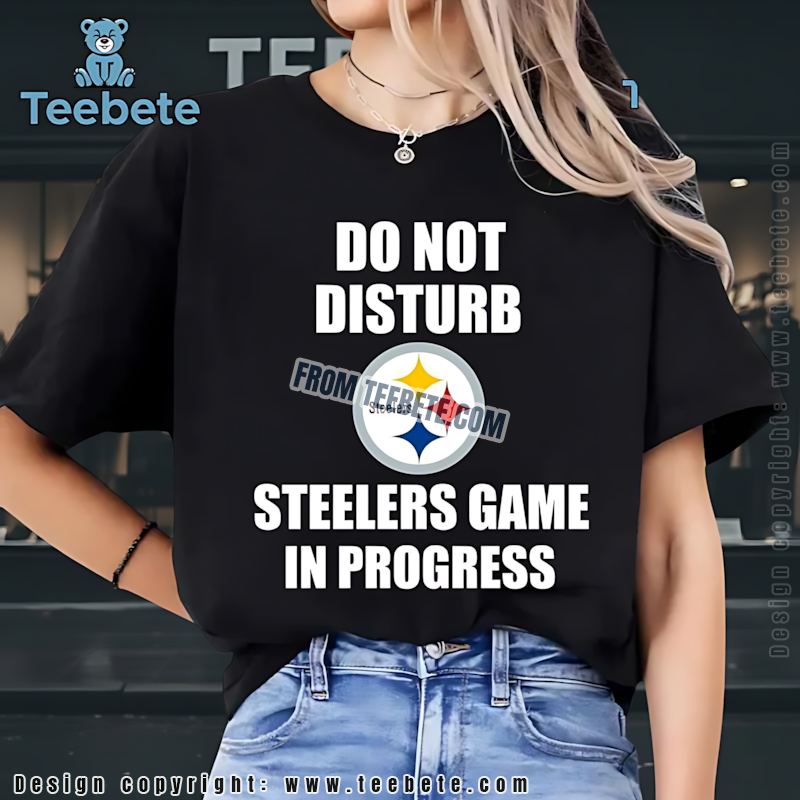
Do Not Disturb Steelers Game In Progress Shirt
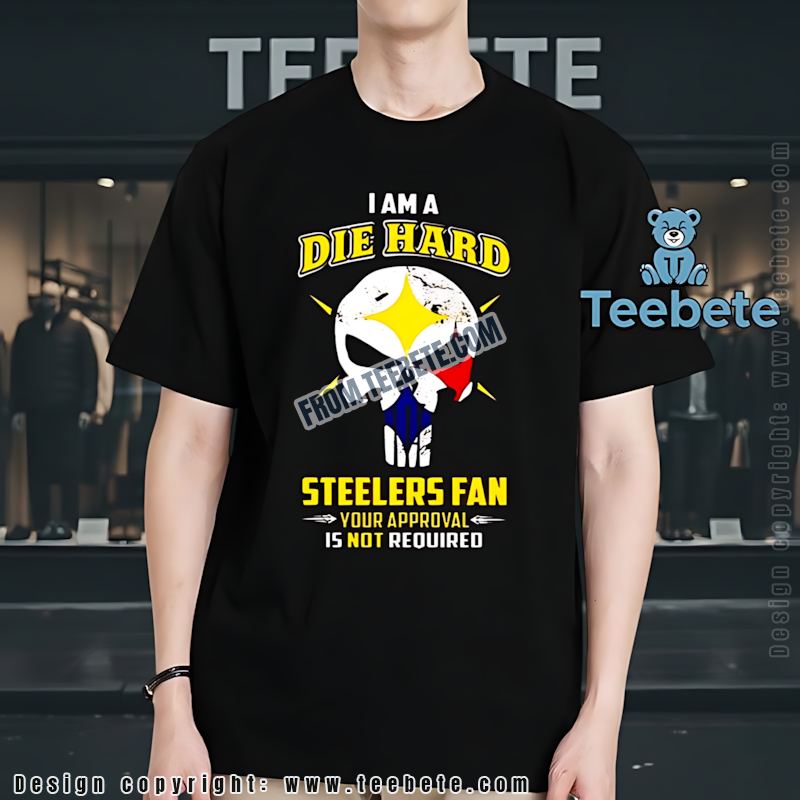
I Am A Die Hard Steelers Fan Skull Performance Shirt
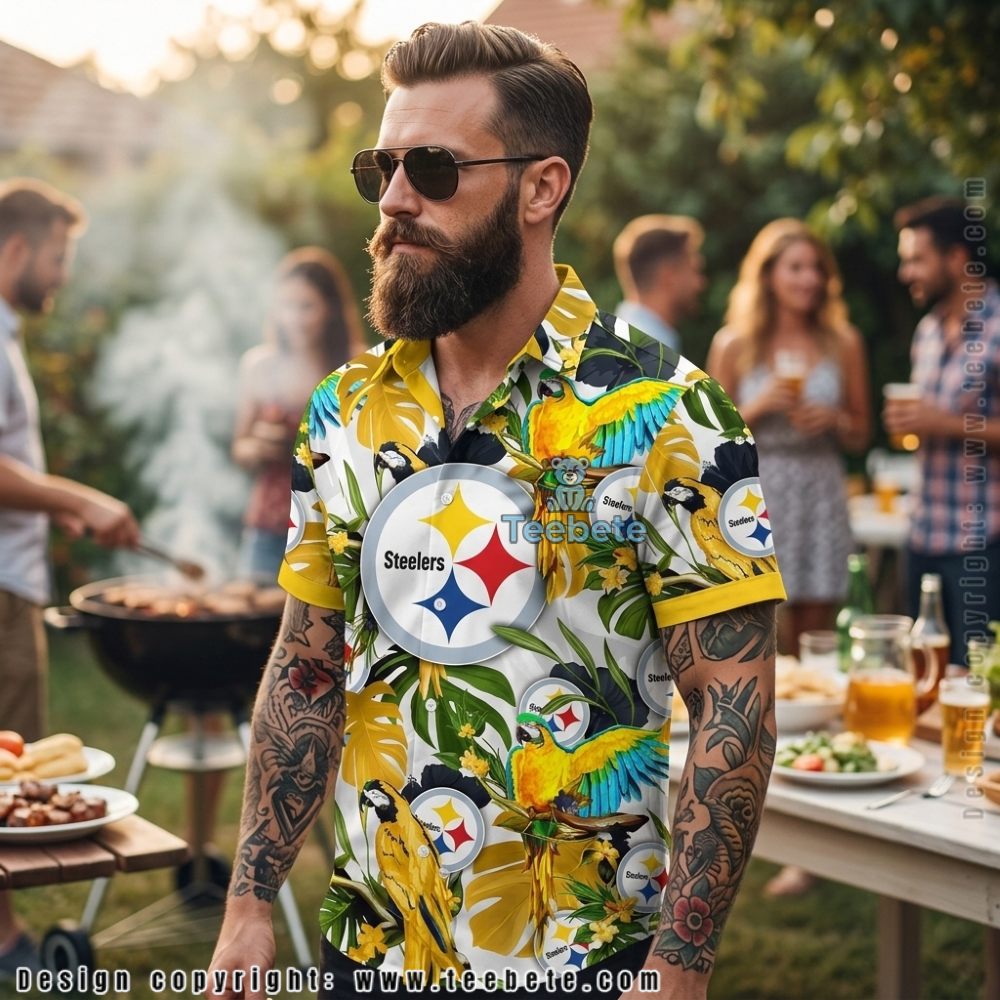
Pittsburgh Steelers Tropical Shirt Tropical Parrot Design
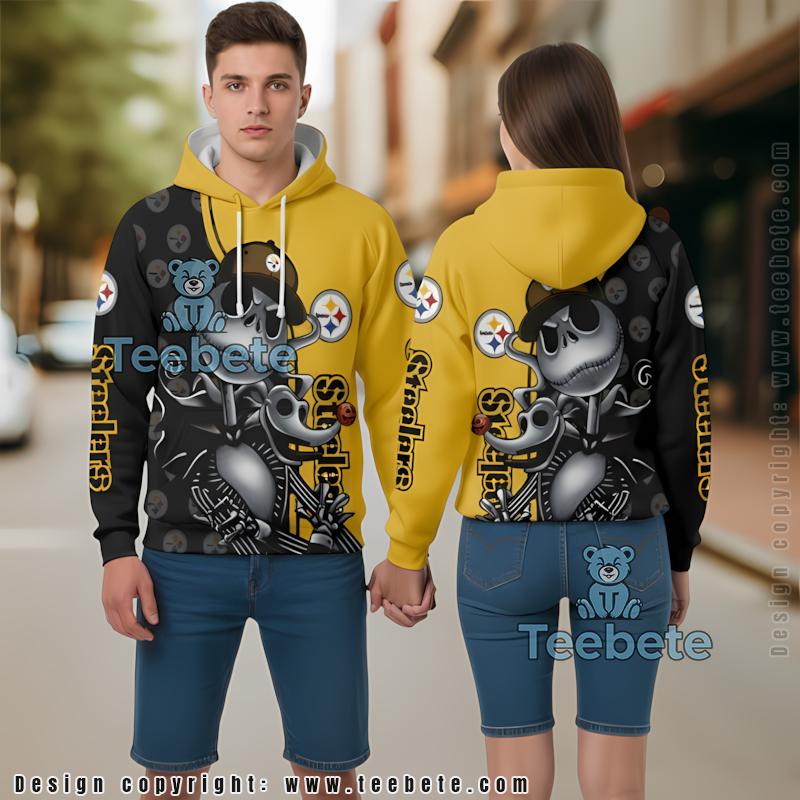
Pittsburgh Steelers All Over Print 3D Hoodie Jack Skellington
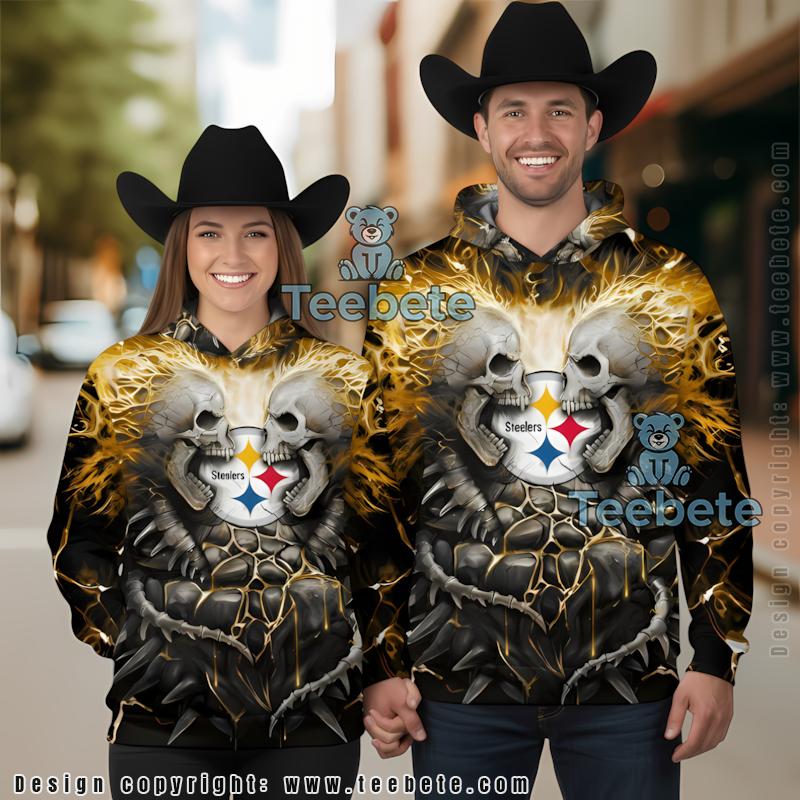
Pittsburgh Steelers 3D Hoodie Men Gold Black Skull