
How to Wash and Care for Dallas Cowboys Apparel
Every Cowboys fan has that one jersey, hoodie, or tee that somehow becomes part of the Sunday routine — thrown on for tailgating before kickoff, worn through the whole game, and washed just enough times that it starts to feel like part of the family. The problem is that most of that gear doesn’t die from age. It dies from the washing machine.
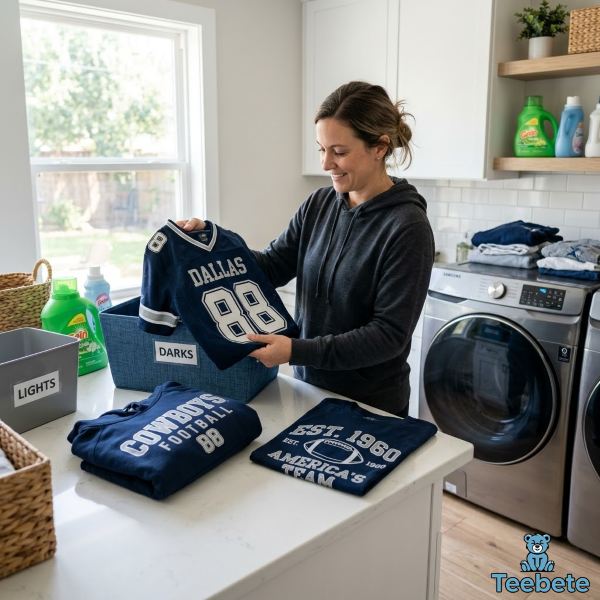
Cracked lettering, a navy that’s gone gray, a hoodie that shrank two sizes after one hot wash — none of that is normal wear for licensed NFL apparel. It’s almost always the result of heat, the wrong detergent, or a dryer cycle that had no business running. This guide covers exactly how to wash, dry, stain-treat, and store Dallas Cowboys apparel so the star stays sharp and the blue and silver stay true, season after season.
One-sentence answer: Wash Dallas Cowboys apparel inside out, in cold water (around 30°C or below), with a mild detergent on a gentle cycle, and skip the dryer whenever the care label allows it.
At a Glance
| Goal | Best Practice |
|---|---|
| Prevent shrinkage | Cold water wash, air dry only |
| Protect printed graphics | Wash inside out, skip fabric softener |
| Keep navy from fading | Cold wash, dry away from direct sunlight |
| Remove sweat odor | Cold-water vinegar soak, not hot water |
| Extend jersey lifespan | Wash by actual use, not a fixed schedule |
| Long-term storage | Clean, fully dry, breathable container, low humidity |
What Makes Dallas Cowboys Apparel Different From Everyday Clothing?
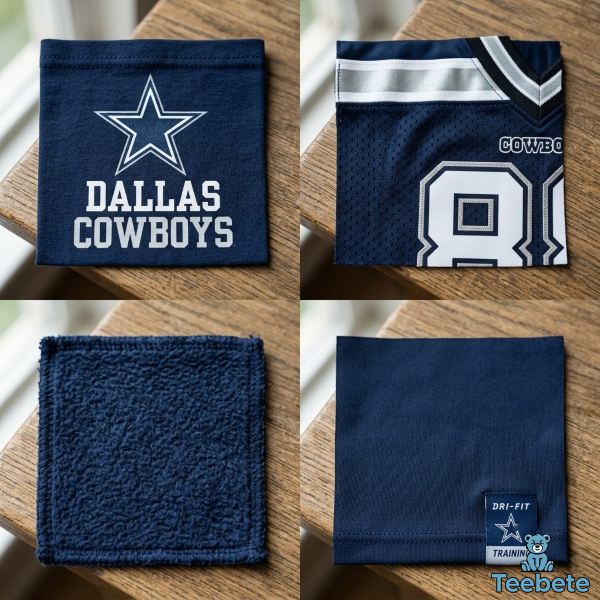
A plain cotton t-shirt and a Cowboys jersey might look similar folded in a drawer, but they behave completely differently once they hit the wash. Officially licensed NFL apparel usually combines several fabric types with at least one printed or embroidered graphic, and each element has its own breaking point. That holds true whether you’re talking about a replica jersey off the rack, an authentic on-field version, or a cotton graphic tee picked up at a tailgate — the fabric blend and decoration method matter more than which team’s logo is on it.
Multiple Fabric Types, Multiple Rules
Cotton tees, polyester game jerseys, fleece hoodies, and moisture-wicking performance fabrics all react to heat, water, and detergent differently:
| Fabric | Common Use | Wash Sensitivity |
|---|---|---|
| Cotton | Graphic tees | Shrinks under heat; softens with age |
| Polyester / mesh polyester | Jerseys, performance shirts | Holds shape well; prone to pilling if overwashed |
| Fleece | Hoodies, sideline gear | Traps heat; flattens and shrinks in hot dryers |
| Moisture-wicking blends | Performance apparel | Coating can degrade with fabric softener or bleach |
Cotton shrinks when hot water relaxes the fibers and the dryer’s heat re-tightens them permanently. Fleece behaves almost the same way, except the damage shows up first as flattened fibers rather than a smaller size — which is exactly why a hoodie starts feeling less cozy well before it visibly shrinks. Picture the fleece lining on a Cowboys hoodie after a cold December night game: it feels soft because thousands of tiny fibers are still standing upright. A few trips through a hot dryer flattens those fibers down, and that’s the loss of “cozy” fans usually notice before they notice anything else.
Team Graphics Need Their Own Protection Plan
Most Cowboys apparel graphics fall into one of four categories, and knowing which one you own changes how careful you need to be.
- Screen printed designs — ink cured onto the surface using plastisol or water-based ink, applied with heat during production
- Direct-to-garment (DTG) prints — ink absorbed into the fibers rather than sitting on top
- Heat-transfer / heat press designs — vinyl or transfer material bonded to the fabric with heat and pressure
- Embroidered logos and patches — stitched thread, sometimes combined with tackle-twill lettering on jerseys
Screen prints sit on top of the fabric as a cured layer, which means friction and heat gradually crack that layer over time. DTG prints are absorbed into the fibers, so they resist cracking a bit better but fade slightly faster under UV light. Heat-transfer designs are the most heat-sensitive of the group — a hot dryer can literally start lifting the edges within a handful of cycles. Embroidered logos and stitched jersey numbers hold up the longest structurally, but loose threads can snag and unravel in an aggressive wash cycle, especially on the tackle-twill lettering used on Nike’s on-field and Game-tier jerseys.
The Biggest Causes of Premature Wear
| Cause | Why It Matters |
|---|---|
| High heat (wash or dryer) | Softens print adhesive and permanently contracts cotton fibers |
| Excessive friction | Wears down graphics and loosens embroidery stitching |
| Harsh detergents and bleach | Strips dye and breaks down print adhesive over time |
| Humid or sunlit storage | Encourages mildew odor and accelerates UV fading |
Understanding what you’re washing matters as much as how you wash it — that’s the whole idea behind our complete fan apparel overview, which breaks down fabric and print types across the full Cowboys apparel lineup.
How to Wash Dallas Cowboys Apparel the Right Way
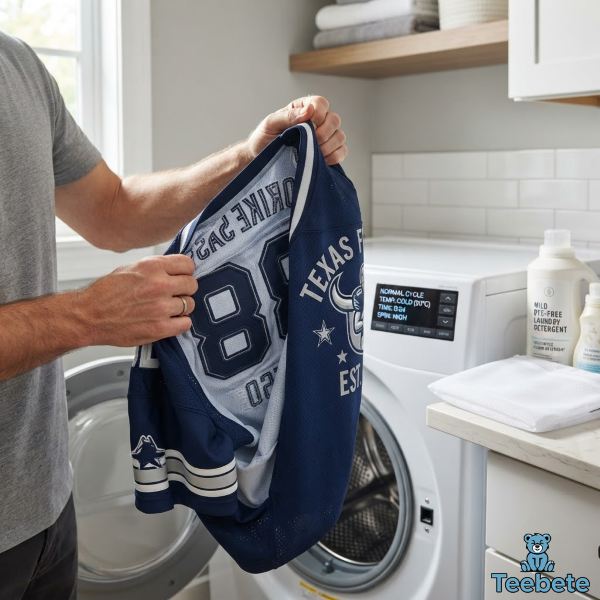
Definition: Washing Dallas Cowboys apparel correctly means matching water temperature, detergent strength, and cycle intensity to the specific fabric and decoration method of each piece — cold water and a gentle cycle are safe defaults across nearly all of it.
The Five-Step Wash Process
- Check the care label. It’s the manufacturer telling you exactly what that specific fabric blend and print method can handle. Nike’s own care guidance for team apparel is direct about this: some team uniform fabrics need cold water specifically to avoid colorfastness issues, and the label inside each garment spells out the details for that piece.
- Separate dark and light colors. Navy jerseys bleed dye, especially in the first few washes, so keep them away from white jerseys and light gray hoodies. A color catcher sheet in the load adds a cheap layer of insurance if you’re washing a mixed load anyway.
- Turn the garment inside out. This puts fabric between the graphic and the drum, cutting down the friction that cracks printed numbers and frays embroidered edges. A mesh laundry bag adds another layer of protection, especially in a high-efficiency or front-loading washer where the drum spins faster.
- Wash in cold water on a gentle cycle. Hot water is the single biggest driver of shrinkage and color loss — hotter water relaxes cotton fibers and softens print adhesive at the same time.
- Use a mild, dye-free liquid detergent. Skip anything with bleach, optical brighteners, or heavy fragrance additives, since those ingredients break down print adhesive and dull navy and silver tones faster than plain washing would. Powder detergent works too, but it dissolves less completely in cold water and can leave faint residue on dark fabric if you use too much.
Why this works: Cold water slows fiber expansion, keeps dye molecules more stable during agitation, and puts far less thermal stress on cured print layers with every wash cycle. Heat is what accelerates almost every failure mode covered in this guide — shrinkage, cracking, and fading are all, at their core, heat-driven problems.
Textile guidance from university extension programs, including consumer laundry research referenced by New Mexico State University, consistently points to hot water as a direct cause of dye running and shrinkage — cold water is the safer default across cotton and polyester alike.
Understanding Care Symbols on Cowboys Apparel
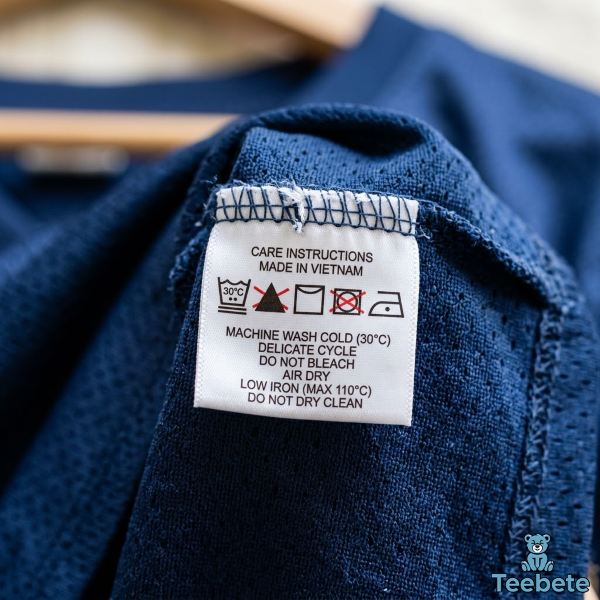
Care labels use standardized symbols rather than words, based on textile care guidelines maintained by groups like AATCC and reflected in ASTM textile standards. Recognizing the basics saves a lot of guesswork:
| Symbol Meaning | What It Tells You |
|---|---|
| Tub with dot(s) | Water temperature — fewer dots means cooler water |
| Tub with an X through it | Do not machine wash |
| Triangle with an X | Do not bleach |
| Square with a circle | Tumble dry settings; an X means no dryer |
| Iron with an X | Do not iron, or iron only on low heat |
If a symbol seems ambiguous on a specific garment, the safest default is still cold water, gentle cycle, and air dry — it’s rarely wrong even when it isn’t strictly necessary.
The Science Behind Cracked Prints, Fading Colors, and Shrinkage
Why Printed Graphics Crack Over Time
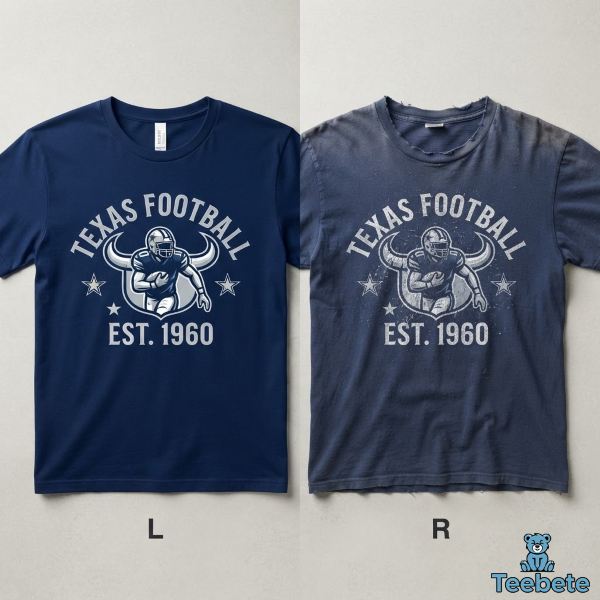
Cracking happens when the ink or vinyl layer loses flexibility faster than the fabric underneath it. Every hot wash or dryer cycle softens the print adhesive slightly, and every fold or stretch after that adds a microscopic stress fracture. Eventually those fractures show up as visible cracks, usually right where the graphic bends most — across the chest number, or down a sleeve seam.
After inspecting hundreds of printed hoodies and jerseys across multiple production runs, one pattern shows up again and again: cracked graphics rarely start in the washing machine itself. In most cases, the first visible damage appears after repeated high-heat drying, even on garments that were washed correctly. Plastisol prints are genuinely durable when they’re new, but that flexibility erodes gradually with every unnecessary trip through a hot dryer, not with cold washing.
Why Navy Blue Loses Its Richness
Navy is a notoriously unstable dye category. UV exposure breaks down the dye molecules, repeated hot washing strips them faster, and detergent buildup on the fiber surface makes the color look chalky even before it’s technically faded. This matters more for Cowboys apparel than most teams, since the franchise’s signature navy — officially PMS 289 C — is a deep, saturated shade that shows dulling faster than lighter colors do. It’s a big part of why navy road jerseys that get consistent cold washes and shaded drying still look sharp years later, while ones line-dried in direct sun start looking gray by midseason.
What Actually Causes Shrinkage?
Cotton fibers physically contract when exposed to heat, particularly the one-two combination of hot wash water followed by high dryer heat. It’s a permanent structural change, not something that reverses with a stretch or a second wash. Polyester resists shrinkage better, but budget blends with a higher percentage of natural fiber mixed in aren’t immune.
Why Jerseys Often Look Older Than They Really Are
In a lot of cases, the fabric itself is still in excellent shape. What actually makes a jersey look “old” is usually faded dye, cracked graphics, flattened fleece, or stretched shoulder seams — not fabric breakdown. None of those necessarily mean the garment is worn out, and most of them can be delayed for years simply by cutting heat exposure out of the wash and dry process.
Which Care Method Fits Your Apparel? (Decision Guide)
Use whichever line matches the graphic on your specific piece:
- Screen print → Cold wash, inside out, air dry only
- DTG print → Cold wash, inside out, dry in shade rather than direct sun
- Embroidery or patches → Gentle cycle, mesh laundry bag, check edges before washing
- Heat-transfer / heat press → Never machine dry on anything above low heat, air dry preferred
- Tackle-twill lettering → Cold wash, mesh bag, tape any lifting edges before washing
Common Cowboys Apparel Care Myths
| Myth | Reality |
|---|---|
| Hot water cleans better | Cold water removes most dirt and sweat while protecting graphics and dye |
| Fabric softener keeps hoodies soft | It coats fleece fibers and gradually flattens loft instead of preserving it |
| Authentic jerseys can handle anything | Tackle-twill construction is tougher, but high heat still damages the adhesive underneath |
| Air drying takes too long to matter | It’s one of the single biggest factors in how long printed apparel actually lasts |
| A quick warm wash is fine occasionally | Even one hot cycle can set shrinkage or crack a print that cold washing never would |
How to Wash Dallas Cowboys Jerseys Without Damaging Numbers and Logos
Authentic vs. Replica Jersey Care — What Actually Changes
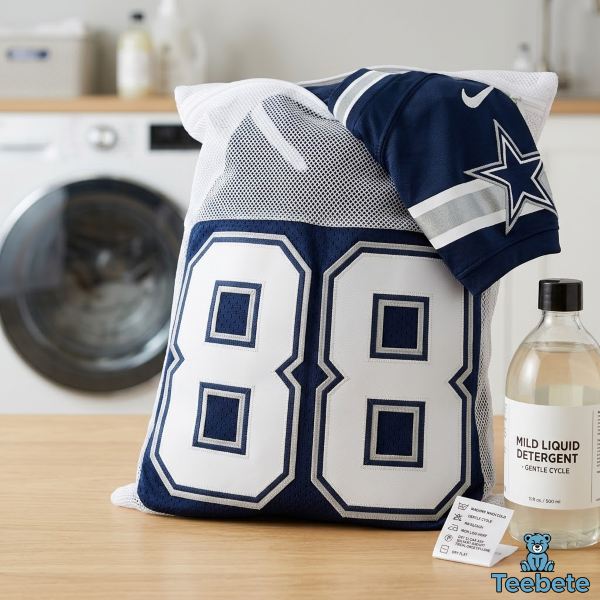
Fans often assume authentic, on-field jerseys need wildly different care than replica versions, but the real difference is smaller than it seems. Authentic jerseys typically use heavier tackle-twill lettering and double-layer mesh built for on-field durability, so they can usually tolerate slightly more handling. Replica jerseys often use screen-printed or heat-pressed numbers on a lighter single-layer fabric, which means they’re more sensitive to heat and friction. Both should still be washed cold, inside out, and air-dried — the replica just has less margin for error.
Before Washing a Jersey
Check whether the numbers and name are stitched tackle-twill, embroidered, or heat-printed. Empty the pockets if there are any, and fasten any hook-and-loop closures so they don’t snag the fabric during the cycle.
Best Wash Settings for NFL Jerseys
Cold water, a gentle or delicate cycle, and a mesh laundry bag are close to non-negotiable. Nike’s own washing guidance for sports jerseys recommends a garment bag for extra protection along with cold water and a gentle cycle to prevent fading and lettering damage. Keep the load small — a single jersey with a couple of similarly lightweight items is ideal, since overloading the machine adds friction, and friction is the enemy of printed and stitched details.
Special Care for Stitched Names and Numbers
Tackle-twill lettering — the type used on premium Game and Elite-tier jerseys — is more durable than screen printing but has a backing adhesive that can soften under an aggressive spin cycle. Check the edges before washing, and if any part has started to lift, a small piece of fabric tape over the edge beforehand prevents it from peeling further.
How Often Should You Wash a Jersey?
Quick Answer: Wash after heavy use or visible sweat, not automatically after every single wear. Frequent unnecessary washing wears down fibers and prints faster than the occasional extra wear does. As a rough laundry schedule, a jersey worn for one game and a tailgate can typically go two or three wears before it needs a wash, assuming there’s no visible staining or odor.
How to Care for Dallas Cowboys Hoodies and Sweatshirts
Common Hoodie Care Mistakes
The three habits that shorten a sideline hoodie’s life fastest are high-heat drying, washing after every single wear regardless of whether it’s actually dirty, and applying liquid fabric softener directly to the fleece lining. Softener coats the fibers, and that coating is exactly what makes a hoodie feel less soft after a few months of regular use.
Protecting Fleece Linings
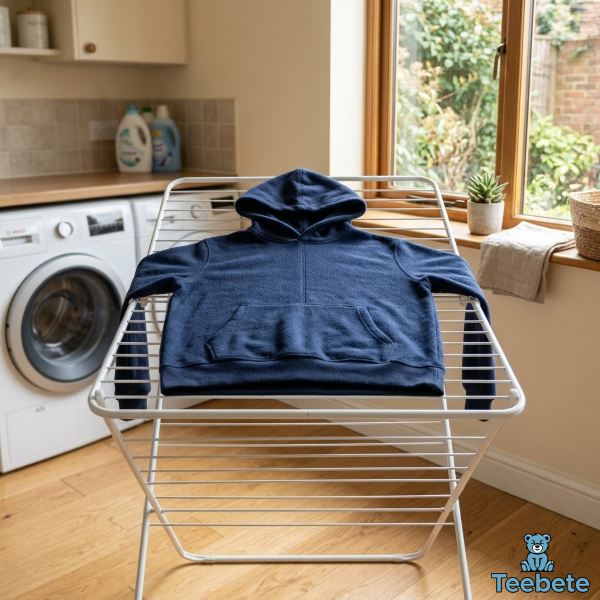
Turn hoodies inside out before washing to protect both the exterior graphic and the interior fleece from pilling against zippers or drawstring hardware. A gentle cycle in cold water keeps the fleece loft intact far longer than a normal cycle would.
Keeping Hoodie Graphics Looking New
Air dry hoodies flat, or on a wide hanger rather than a thin wire one that can stretch the shoulder seams over time. For hoodies with large chest or back graphics, drying flat keeps the extra fabric weight from pulling and warping the print while it’s still damp. For a deeper breakdown of fit and fabric weight across hoodie styles, our hoodie care and fit tips guide covers it in more detail.
How to Clean Common Game Day Stains Before They Become Permanent
Beer and Soft Drink Stains
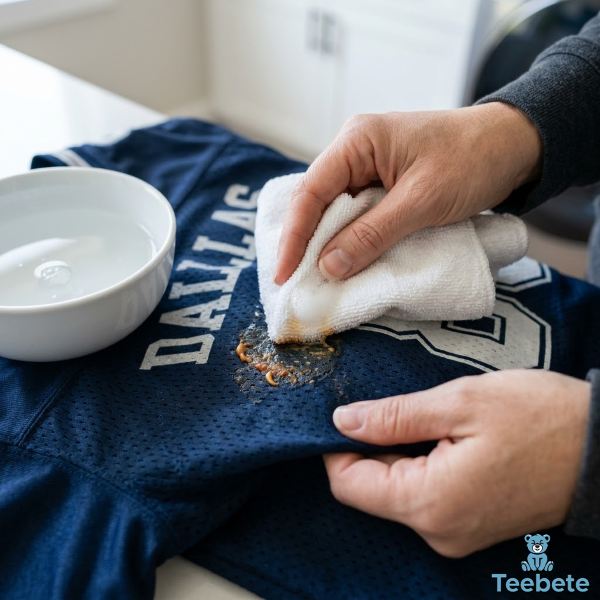
Blot, don’t rub. Rinse from the back of the fabric to push the stain out rather than deeper in, then treat with a small amount of mild detergent before the full wash.
Sauce, Nacho Cheese, and Grease
Scrape off excess solid residue first. Apply a small amount of dish soap directly to the grease spot, let it sit for a few minutes, then wash cold. Avoid letting oil-cutting agents sit too long near a nearby print, since they can also loosen ink adhesive.
Grass and Dirt Stains
Let mud dry completely and brush off as much as possible before adding any water — wetting fresh mud usually pushes it deeper into the weave. Pre-soak in cold water with a stain-specific booster before the regular cycle.
Sweat and Odor Build-Up
Cold water alone doesn’t fully neutralize odor trapped in synthetic fibers. A short pre-soak with a small amount of white vinegar in cold water helps break down odor-causing bacteria without bleaching color or damaging prints.
Sunscreen and Deodorant Marks
Both leave an oily residue that can yellow fabric if it’s ironed or dried on high heat before it’s fully treated. Dab a small amount of liquid detergent directly onto the mark, work it in gently with a soft brush or microfiber towel, and let it sit for ten minutes before washing cold.
What Not to Use on Team Apparel
Chlorine bleach, high-concentration oxygen bleach solutions, and aggressive all-purpose stain removers with optical brighteners all pose real risk to printed graphics and navy dye. If a stain needs something stronger than mild detergent and cold water, spot-test on an inside seam first.
Can You Put Dallas Cowboys Apparel in the Dryer?
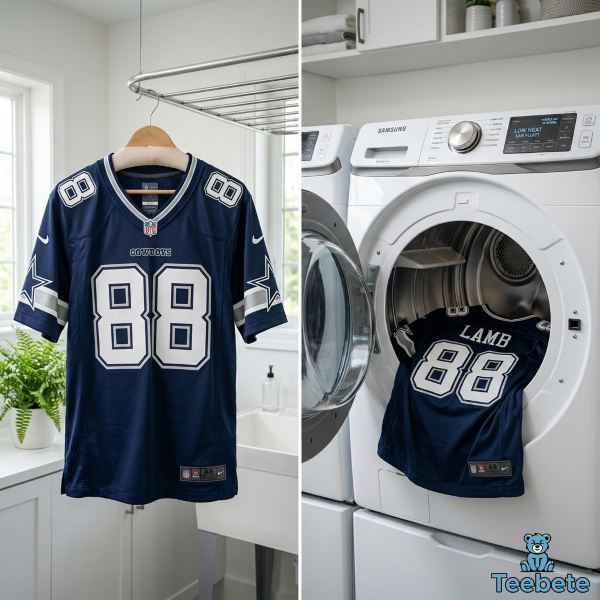
Quick Answer: Air drying is the safest option for most Cowboys apparel, since high dryer heat can shrink fabric, fade color, and crack or peel printed graphics.
| Apparel Type | Best Wash Temp | Dryer |
|---|---|---|
| Jersey (screen print / tackle twill) | Cold | No — air dry only |
| Hoodie (fleece) | Cold | Air dry flat; low heat only if label allows |
| Graphic tee (cotton / DTG) | Cold | Low heat, short cycle at most |
| Performance / moisture-wicking shirt | Cold | No — air dry only |
What Happens Inside a Hot Dryer
Dryer heat does three things at once: it accelerates fiber contraction in cotton, it softens print adhesive to the point of cracking or lifting, and it bakes in any leftover detergent residue, which dulls color permanently.
Best Air-Drying Practices
Hang jerseys and tees on padded hangers rather than thin wire ones to avoid shoulder-seam stretching and the faint hanger marks that show up on lighter fabrics after repeated use. Lay hoodies flat so the extra fabric weight doesn’t pull them out of shape. Indoor drying away from direct sunlight beats outdoor line-drying for anything with a graphic, since UV exposure fades prints and navy dye noticeably faster.
When Low Heat May Be Acceptable
Heavier cotton fleece can sometimes tolerate a short, no-heat “air fluff” dryer setting without meaningful risk, but only if the care label confirms it. When in doubt, air dry — the extra time it costs is nothing compared to a shrunk jersey the night before a big game.
How to Keep Dallas Cowboys Colors Looking Sharp Season After Season
Protecting Navy Blue From Fading
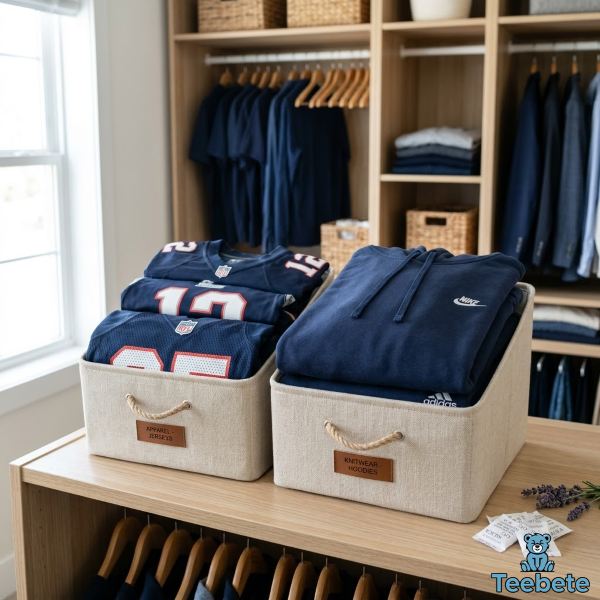
Wash navy pieces less often than instinct suggests, always in cold water, and always out of direct sunlight when drying. Navy is one of the more UV-reactive apparel colors, which is part of why Cowboys navy jerseys look noticeably richer on gear that’s been consistently cold-washed and shade-dried compared to pieces that spent seasons on an outdoor line.
Keeping White Jerseys Bright
Skip chlorine bleach on printed white jerseys since it yellows fabric over time and breaks down print adhesive. An oxygen-based whitening booster used occasionally, combined with prompt stain treatment, keeps white brighter longer without those side effects.
Storage Habits That Preserve Appearance
| Storage Factor | Better Practice | What to Avoid |
|---|---|---|
| Folding vs. hanging | Fold heavy graphics; hang lighter tees | Hanging heavy hoodies on thin wire hangers |
| Moisture | Store completely dry in breathable bins | Sealed plastic bags in humid closets |
| Light exposure | Dark closet or drawer | Direct sunlight near a window |
| Seasonal storage | Clean thoroughly before storing | Storing apparel with sweat or stains still present |
| Travel | Roll rather than fold to reduce deep creasing | Packing damp gear straight into a bag |
Humidity is the storage risk fans overlook most. A closet that runs warm and slightly damp — common in garages or basements — creates ideal conditions for mildew odor to set into fleece and cotton, even on apparel that looked perfectly clean going into storage. A silica packet or two in a storage bin solves most of that risk for the offseason.
How to Fold a Jersey Without Creasing the Graphic
Lay the jersey face down, fold the sleeves in toward the center, then fold bottom-to-top in thirds rather than in half. Folding in half puts a hard crease directly across the chest number, which is exactly where cracking tends to start after repeated folding in the same spot.
The Five Mistakes We See Most Often
After working with custom sports apparel across countless wash cycles and returns, these five mistakes shorten garment life more than anything else, in roughly this order of severity:
- Throwing jerseys into a mixed laundry load. Zippers, jeans, and towels create friction that wears down prints and stitching far faster than washing alone.
- Using too much detergent. Excess detergent doesn’t rinse fully in cold water and leaves a dulling film on dark fabric over time.
- Drying on high heat “just this once.” One hot cycle can set shrinkage or crack a print that years of cold washing never would.
- Folding graphics while still slightly damp. Damp fabric creases more permanently, and repeated folding along the same line is a common starting point for cracking.
- Ignoring the care label entirely. It’s specific to that exact fabric and print combination — a generic “cold wash everything” rule is safe, but the label is still the most accurate source for that particular garment.
How Long Should Quality Fan Apparel Last?
Signs of Healthy, Normal Wear
A slight softening of fabric, minor color mellowing after a few years, and light pilling on fleece interiors are all expected. None of that means the apparel is failing — it’s just aging the way any well-loved gear does.
Signs of Preventable Damage
Cracking across a printed number, peeling at the edges of a heat-transfer design, or a jersey that noticeably shrank after one wash are not normal aging. Those trace back almost every time to heat exposure, harsh detergent, or an overloaded wash cycle.
Building a Long-Term Care Routine
Wash based on actual use rather than a fixed schedule, always cold, always inside out. Rotate a few pieces through the season rather than wearing and washing the same one on repeat. Do a quick check on stitching, patch edges, and print condition before storing gear for the offseason.
Smart Buying Habits That Make Apparel Easier to Maintain
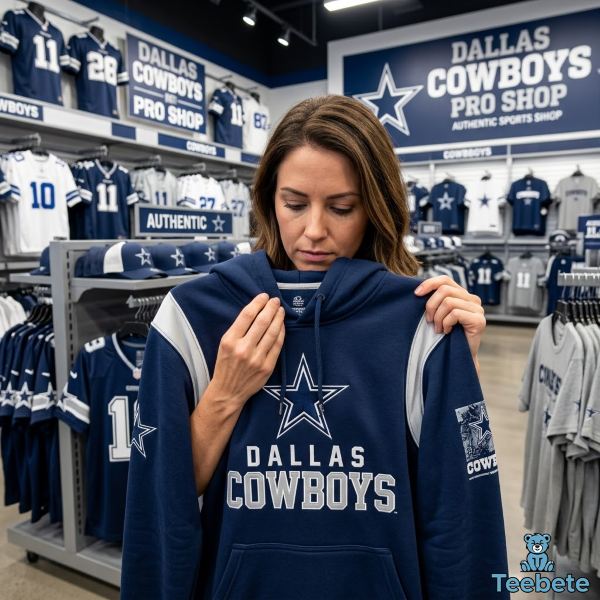
Choosing Fabrics That Hold Up Better Over Time
Heavier-weight cotton and cotton-poly blends generally resist pilling and shrinkage better than thin, budget-grade cotton. For jerseys, a higher percentage of polyester or mesh polyester tends to mean better shape retention wash after wash.
Evaluating Print Quality Before Purchase
Look closely at how the ink sits on the fabric. A thick, raised screen print with clean edges typically outlasts a thin, low-contrast print that already looks uneven on the shelf.
Why Construction Quality Matters
Reinforced seams, quality thread, and properly bonded print layers are the difference between apparel that looks the same after fifty washes and apparel that starts falling apart after ten. As apparel enthusiasts, we’ve found that good materials and proper care work together — at Teebete, we design pieces meant to hold their color and shape when they’re cared for the way this guide describes.
Shirt-specific graphics have their own maintenance quirks worth knowing before you buy, which is exactly what our graphic tee maintenance guide walks through.
Quick Answers Every Cowboys Fan Should Know
Should you wash Cowboys apparel after every wear? Not necessarily. Wash after heavy use or visible sweat; unnecessary washing wears down fabric and prints faster than occasional extra wear does.
Is fabric softener safe for printed shirts? No. It coats fibers and print surfaces, weakening adhesive bonds on screen prints and reducing fleece loft on hoodies over time.
Can cold water remove sweat odors? Not fully on its own. A short cold-water soak with a small amount of white vinegar helps break down odor-causing bacteria without risking color or print damage.
What’s the best way to prevent print cracking? Wash inside out in cold water, skip the dryer, and avoid folding heavy graphics along the same crease every time.
How do you store jerseys during the offseason? Clean thoroughly, dry completely, and store folded in a breathable container away from direct sunlight and humidity.
Is air drying better than machine drying? Yes, for nearly all Cowboys apparel. Dryer heat is the leading cause of shrinkage, fading, and print cracking across cotton, polyester, and fleece alike.
Does authentic jersey care differ from replica jersey care? Only slightly. Authentic jerseys use heavier tackle-twill lettering that tolerates a bit more handling; replica jerseys with screen-printed numbers need more caution around heat and friction. Both should be washed cold and air-dried.
Should jerseys always be turned inside out? Yes. It’s one of the simplest steps in this guide and one of the most effective — it protects printed numbers, embroidery, and patches from direct friction against the drum.
Is hand washing better than machine washing? Hand washing in cold water is gentler and works well for delicate or heavily embellished pieces, but a machine on a cold, gentle cycle with a mesh bag gets close to the same result for most everyday jerseys and tees.
Can you leave a jersey to air dry overnight? Yes, and for thicker fleece or heavily printed pieces, overnight air drying is often necessary since it can take longer than a few hours to dry fully without heat.
Before You Toss Your Cowboys Gear Into the Washer
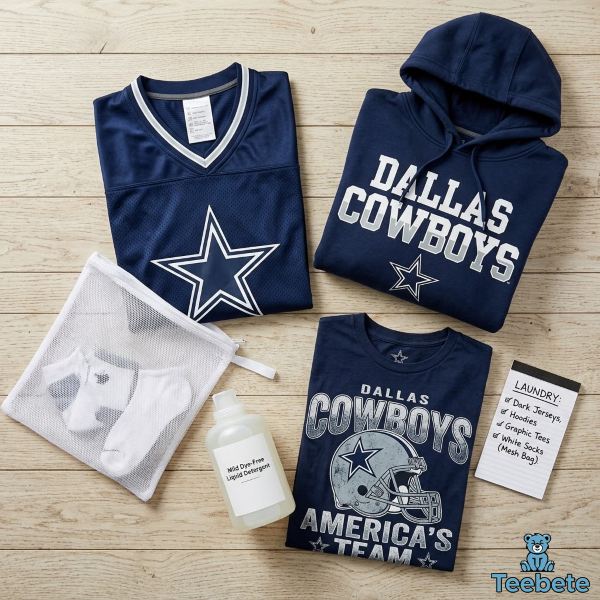
✓ Check the care label
✓ Turn the garment inside out
✓ Fasten zippers and hook-and-loop closures
✓ Separate dark and light colors
✓ Use cold water on a gentle cycle
✓ Use a mild, dye-free detergent
✓ Skip the dryer — air dry instead
Key Takeaways for Keeping Your Dallas Cowboys Apparel Looking New
- Cold water is the safest washing choice across nearly every fabric type
- Turn garments inside out before every wash
- Skip the dryer whenever the care label allows it
- Treat stains immediately instead of letting them set
- Store apparel clean, dry, and out of direct sunlight, with an eye on humidity
- Consistency in care matters more than any single trick
Treat your gear right, and there’s no real reason a jersey or hoodie can’t look game-day fresh for years. The star doesn’t fade because it’s old — it fades because of how it’s washed. Take care of it right, and it’ll be ready every Sunday the Cowboys faithful show up.

Hi, I’m Mia Wilson. I’m a journalist and content creator based in New York with over six years of experience covering sports, holidays, fan culture, and community events across the United States. I focus on exploring team histories, traditions, celebrations, and the broader impact of sports and cultural events on local communities. I’m passionate about providing accurate, engaging, and educational content for readers of all ages, helping them understand the stories, experiences, and events that make sports and celebrations so meaningful.