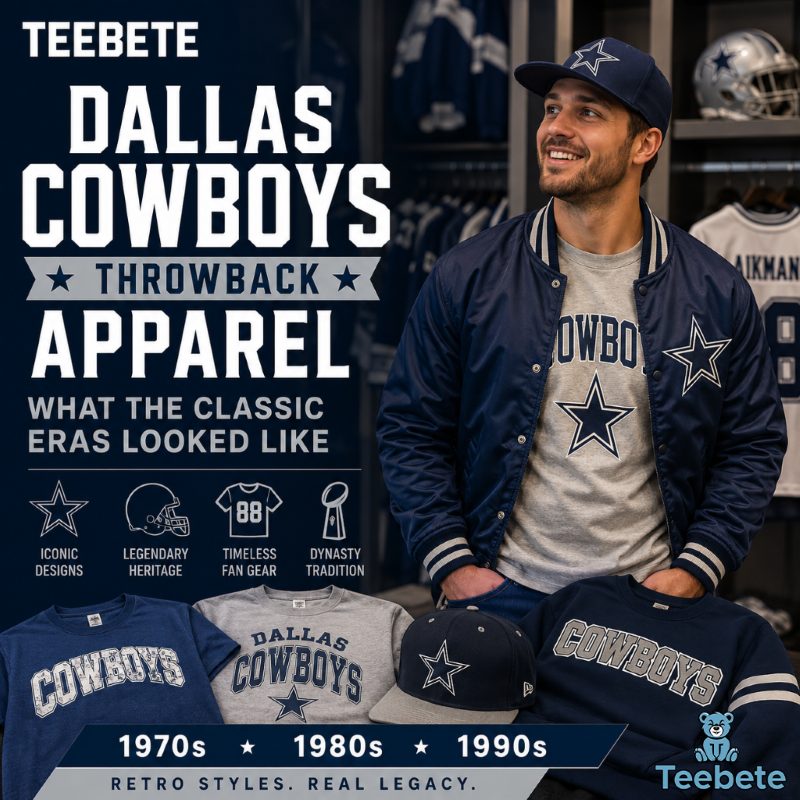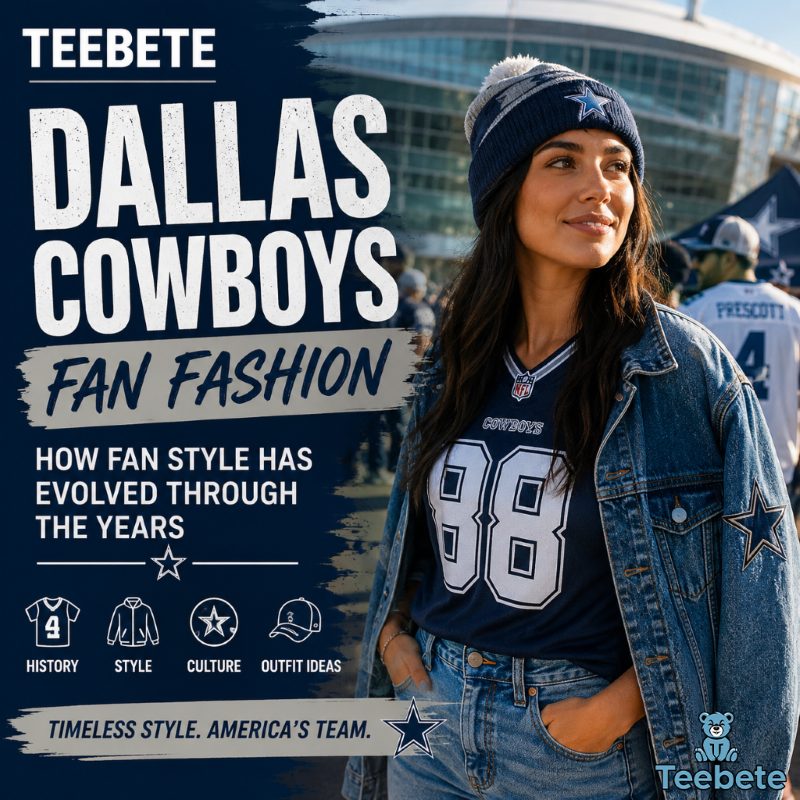
Vintage Dallas Cowboys Apparel Guide and Where to Buy It
Vintage Dallas Cowboys apparel has grown into something far bigger than ordinary sports merchandise. For many fans, an old Cowboys shirt or jacket carries memories of championship seasons, family game-day traditions, and a version of the NFL that felt simpler and more personal. For collectors, these same pieces represent tangible history, with each tag, stitch, and faded print telling a story about a specific era of the franchise.
At the same time, vintage NFL clothing has found a second life in streetwear culture, where retro graphics and worn-in fabrics are prized for their authenticity and character. This guide walks through the history of vintage Dallas Cowboys apparel, explains how to identify genuine pieces, and shows collectors and fans where they can confidently begin building their own collection of retro Cowboys gear.
Why Vintage Dallas Cowboys Apparel Continues to Grow in Popularity
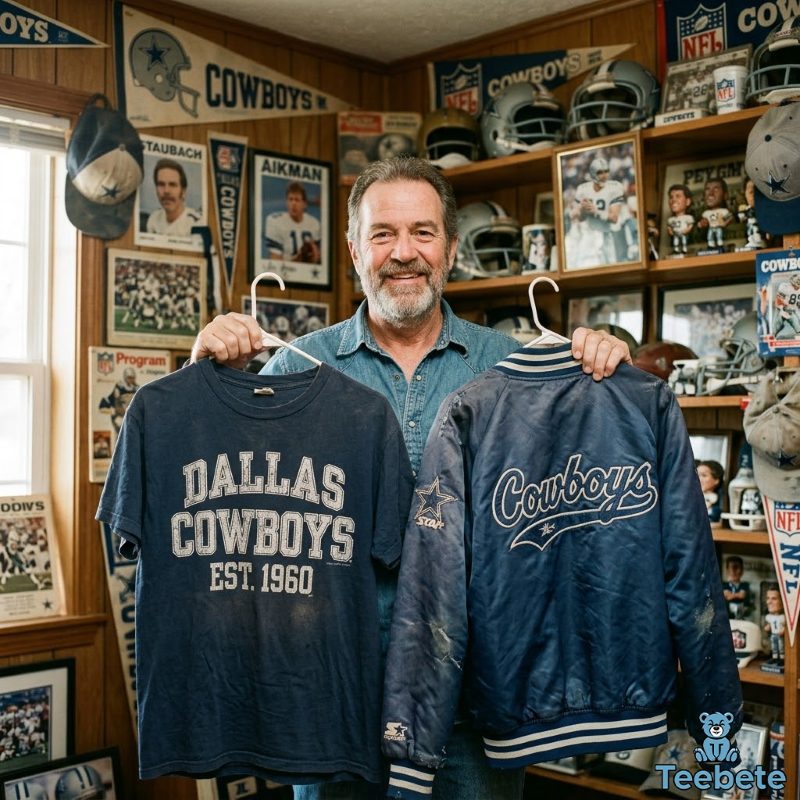
Interest in older Cowboys merchandise has not faded with time. If anything, demand has accelerated as fans rediscover the appeal of clothing that feels more authentic than mass-produced modern alternatives.
What qualifies as vintage Dallas Cowboys apparel?
Short answer: Most collectors consider Dallas Cowboys apparel vintage once it is at least 20 years old, though pieces from the 1970s through the mid 1990s are generally the most sought after.
A piece from the team’s championship runs under coaches Tom Landry and Jimmy Johnson typically qualifies, especially when it carries period-correct tags, original team graphics, and manufacturing details specific to that production era. Reproductions made to look old, even if stylistically similar, do not count as true vintage in the eyes of serious collectors.
Why collectors and football fans value older Cowboys clothing
Ask almost any longtime Cowboys fan which era produced the most memorable apparel, and the conversation usually turns to the 1990s dynasty. Heavier cotton blends, simpler graphic designs, and screen-printed logos give vintage pieces a texture and weight that modern synthetic blends rarely replicate. Beyond the physical qualities, there is an emotional pull. A jacket worn during a season led by Troy Aikman, Emmitt Smith, and Michael Irvin connects the wearer to a specific moment in franchise history, something a brand-new jersey simply cannot offer.
How vintage NFL fashion became part of modern streetwear
Streetwear culture has increasingly embraced sports nostalgia, and Cowboys gear sits right at the intersection of fashion and fandom. Stylists, resellers, and everyday fans now treat old school Cowboys shirts and jackets as wardrobe staples rather than purely game-day attire. This shift has pushed retro football gear into mainstream fashion conversations, well beyond the world of dedicated collectors.
Key Takeaways
- Vintage generally means 20+ years old, with 1970s to mid-1990s pieces in highest demand
- Heavier fabrics and screen printing set vintage apparel apart from modern synthetic blends
- The 1990s dynasty era under Jimmy Johnson remains the most collected period
The Evolution of Dallas Cowboys Apparel Through the Decades
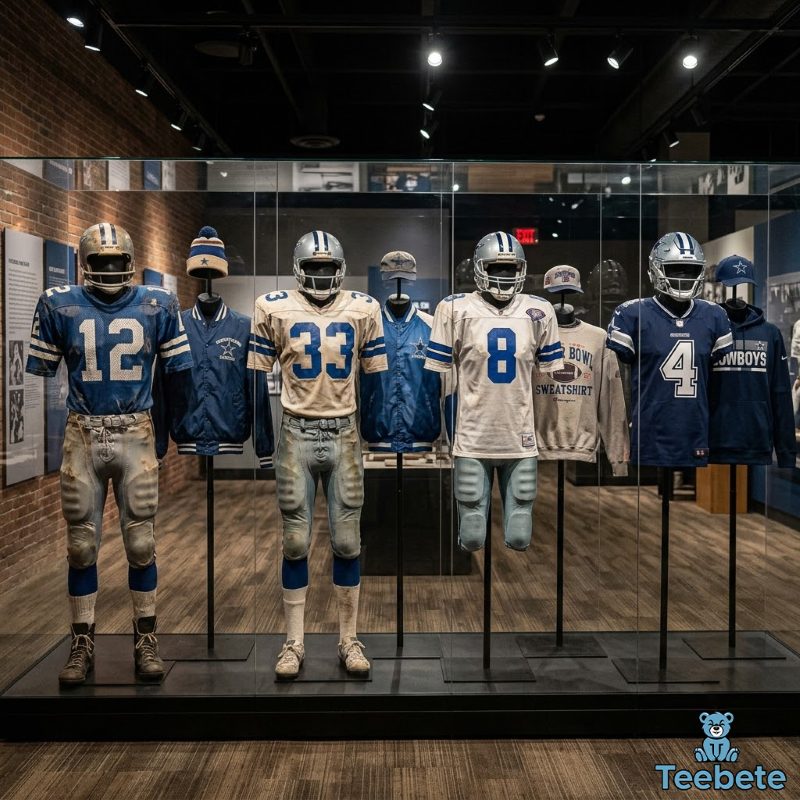
Rather than treating Cowboys apparel history as a single, sweeping narrative, it helps to break it down decade by decade. Each era reflects changes in manufacturing, licensing rules, and fan culture, and the tags themselves shifted right alongside the team’s fortunes on the field.
Tag and labeling timeline:
1960s-1970s  →  Simple woven tags, minimal licensing text, Tom Landry era
1980s        →  Standardized NFL Properties tags introduced
1990s        →  "Made in USA" tags common, Starter and Logo 7 dominate
2000s-today  →  Offshore manufacturing tags, modern licensing holograms
1960s to 1970s: Early fan merchandise and simple team graphics
In the franchise’s early decades under head coach Tom Landry, official fan apparel was relatively limited. Designs were simple, often featuring basic team logos or block lettering rather than the detailed graphics seen later. Much of what exists from this period is rare, since production volumes were smaller and merchandising had not yet become the massive industry it is today.
1980s: Licensed apparel expands across America
As NFL Properties licensing programs matured, Cowboys merchandise became more widely available in department stores and sporting goods shops nationwide. This decade introduced more standardized sizing, expanded color options, and the beginning of recognizable brand partnerships, including early Apex One and Pro Line releases, that would define the next several decades of fan apparel.
1990s: Dynasty era and the explosion of vintage NFL clothing
The Cowboys’ dynasty years, built around Troy Aikman, Emmitt Smith, Michael Irvin, and Jimmy Johnson’s coaching staff, brought an explosion in demand for team merchandise. Starter jackets, Champion pullovers, and other branded gear became cultural staples, not just among football fans but within broader youth fashion at the time. This period produced some of the most sought-after vintage pieces on the market today, largely because championship success drove enormous production volume alongside genuine fan enthusiasm.
2000s to today: From sports merchandise to collectible fashion
In more recent decades, under the ownership of Jerry Jones and against the backdrop of the move from Texas Stadium to AT&T Stadium, the line between sports merchandise and fashion collectible has blurred considerably. Limited releases, throwback collections, and renewed interest in retro aesthetics have turned older Cowboys apparel into a recognized category within the broader vintage clothing market, attracting buyers who may not even follow football closely.
For a more detailed breakdown of each period, you can explore the complete Cowboys apparel timeline.
The Vintage Brands Every Collector Should Know
Several apparel brands defined the look and feel of Cowboys merchandise across different eras. Understanding their rough order of dominance, almost like a family tree, helps collectors evaluate authenticity, quality, and likely market value.
Starter  →  Logo 7  →  Champion  →  Nutmeg  →  Pro Player  →  Apex One  →  Salem Sportswear
(1980s-90s peak brands, roughly in order of collector demand)
| Brand | Active Years | Signature Style | Collector Demand | Average Value |
|---|---|---|---|---|
| Starter | 1980s to 1990s | Bold colors, satin jackets | Very High | High |
| Logo 7 | 1990s | Embroidered logos, fitted caps | High | Moderate to High |
| Champion | 1980s to 1990s | Heavyweight pullovers and tees | High | Moderate |
| Nutmeg | 1980s to 1990s | Crewnecks, classic graphics | Moderate | Moderate |
| Pro Player | 1990s | Oversized graphic tees | Moderate | Low to Moderate |
| Apex One | 1980s to 1990s | Sideline jackets and pullovers | Moderate | Low to Moderate |
| Lee Sport | 1990s | Casual tees and sweatshirts | Moderate | Low to Moderate |
| Salem Sportswear | 1990s | Budget-friendly licensed gear | Lower | Low |
Starter remains the most recognizable name among collectors, largely thanks to its association with the Cowboys’ dynasty era. Logo 7 and Champion follow closely, particularly for pieces in excellent condition with original NFL Properties tags intact.
How to Identify Authentic Vintage Dallas Cowboys Apparel
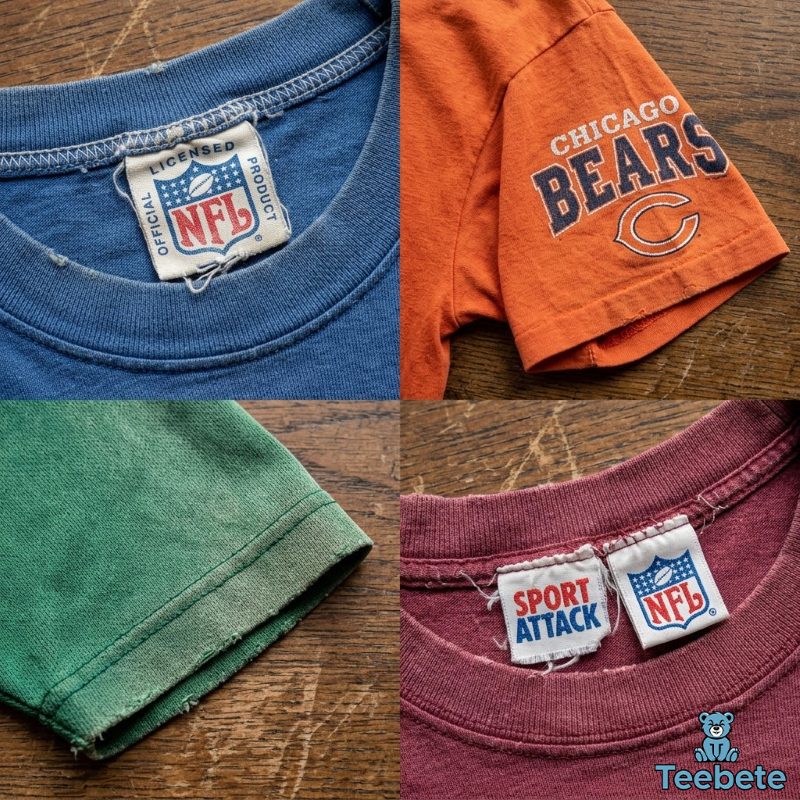
Short answer: Authentic vintage Dallas Cowboys apparel usually features period-correct tags, official NFL Properties licensing marks, quality screen printing, era-specific stitching, and natural fabric aging that develops over years rather than being artificially distressed.
Authentication Checklist
- ✓ Period-correct manufacturer tag (Starter, Champion, Logo 7, etc.)
- ✓ NFL Properties licensing mark or hologram
- ✓ “Made in USA” tag on most pre-mid-1990s pieces
- ✓ Single stitch hems on older tees
- ✓ Naturally uneven fading and print cracking
- ✗ Suspiciously crisp graphics on a “decades-old” item
- ✗ Missing or mismatched licensing text
Check the neck tag and manufacturer label
The neck tag is often the fastest way to date a piece. Many collectors specifically look for Made in USA tags, NFL Properties licensing text, and brand names like Starter or Logo 7, because these details often indicate apparel produced before the mid-1990s, when much production began shifting offshore. Comparing a tag against known references for that brand and era can quickly confirm or rule out authenticity.
Understand single stitch versus double stitch construction
Older garments, particularly tees from the 1980s and earlier 1990s, were typically constructed with single stitch hems, while later production shifted toward double stitching for durability. While this is not a perfect dating method on its own, it is a useful supporting clue alongside tag information.
Recognize official NFL licensing marks
Genuine vintage pieces usually carry an official NFL Properties hologram or printed mark. The absence of any licensing indicator, especially on pieces claiming to be officially produced sports memorabilia, is a common red flag.
Evaluate graphics, fading, and print quality
Authentic vintage screen-print graphics tend to crack or fade in a natural, uneven pattern that develops gradually with wear and washing. Reproduction pieces often show printing that is too crisp for the claimed age, or distressed graphics that look artificially uniform rather than naturally worn.
Spot common signs of reproduction pieces
Reproductions frequently use modern fabric blends, incorrect tag formatting, or graphics that do not match documented designs from the claimed era. Cross-referencing photos of confirmed authentic pieces, and comparing tag fonts side by side, is one of the most reliable ways to catch inconsistencies before making a purchase.
Vintage vs. Reproduction at a glance
| Detail | Genuine Vintage | Common Reproduction |
|---|---|---|
| Tag | Period brand, Made in USA | Modern brand or vague tag |
| Stitching | Single stitch (pre-90s) | Double stitch, machine-uniform |
| Graphics | Naturally cracked, uneven fade | Pre-distressed, too uniform |
| Licensing | NFL Properties mark present | Often missing or generic |
| Fabric feel | Heavier, denser cotton | Lighter, modern blends |
For a deeper walkthrough of authentication techniques, see this expert guide to authentic gear.
What Makes Some Vintage Cowboys Pieces More Valuable Than Others?
Apparel connected to the Cowboys’ Super Bowl teams led by Troy Aikman, Emmitt Smith, and Michael Irvin consistently attracts stronger collector demand. Garments celebrating the franchise’s dynasty under head coach Jimmy Johnson often command higher prices because they represent one of the NFL’s most recognizable eras. Beyond championship ties, rare graphics, limited production runs, and deadstock items (pieces that were never worn or sold, often still with original retail tags) command premium prices because of their scarcity. Player-themed apparel featuring specific stars from a given era can also carry added value, particularly for Hall of Famers, while condition, size, and the presence of original tags round out the remaining factors that determine final market price.
Four factors that drive value most:
- Era and championship connection
- Brand and production rarity
- Condition and completeness of tags
- Player or graphic specificity
| Factors | High Value | Medium Value | Lower Value |
|---|---|---|---|
| Production | Deadstock or limited run | Standard retail run | Mass produced, common |
| Era | Championship seasons | Mid-era, non-title years | Recent throwback reissues |
| Condition | Excellent, original tags | Good, light wear | Heavily worn or damaged |
| Graphics | Rare or player-specific | Standard team logo | Generic or altered designs |
Rough collector value ranges (condition and rarity dependent):
| Item Type | Typical Range | Rarity |
|---|---|---|
| Common vintage tee | $40 to $120 | ⭐⭐ |
| Branded crewneck or pullover | $100 to $300 | ⭐⭐⭐ |
| Starter satin jacket | $200 to $700 | ⭐⭐⭐⭐ |
| Deadstock, tags-attached pieces | $600 and up | ⭐⭐⭐⭐⭐ |
These figures move constantly based on marketplace conditions, so treat them as a general reference rather than a fixed price guide.
Where to Find Vintage Dallas Cowboys Clothing
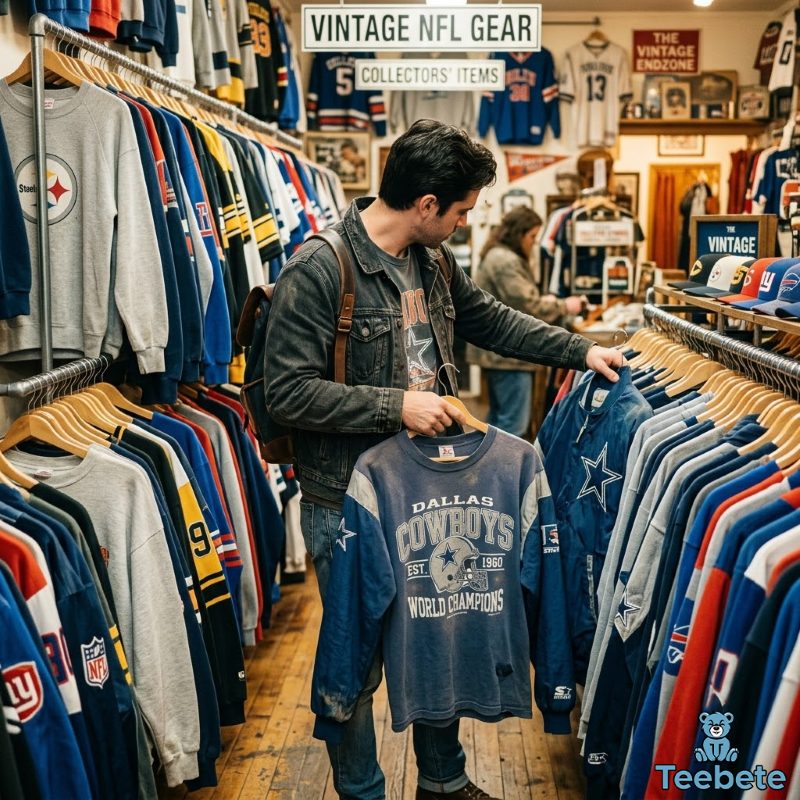
Short answer: The most reliable places to find vintage Dallas Cowboys clothing are local thrift stores, trusted vintage marketplaces, sports memorabilia conventions, and specialized vintage sportswear retailers.
Local thrift stores and estate sales
Experienced collectors often visit the same thrift stores repeatedly rather than expecting to find valuable pieces on their first trip. Many of the best discoveries come after weeks or even months of regular searching, because desirable NFL apparel tends to appear unpredictably alongside everyday donations.
Trusted online vintage marketplaces
Dedicated vintage clothing marketplaces have made it easier to search specifically for Cowboys apparel by era, brand, or condition. These platforms often include seller ratings and detailed photos, which helps buyers verify authenticity before purchasing sight unseen.
Sports memorabilia conventions
Conventions bring together collectors and dealers in one place, allowing buyers to physically inspect items, ask questions directly, and compare multiple pieces side by side, something that is much harder to do through an online listing alone.
Specialized vintage sportswear retailers
Retailers who focus specifically on vintage sportswear often have already vetted their inventory for authenticity, which can reduce the research burden compared to buying from general secondhand sellers.
How to avoid counterfeit listings online
When shopping online, look closely at listing photos for tag details, stitching, and print quality rather than relying solely on the seller’s description. Be cautious of suspiciously low prices on rare items like deadstock jackets, and request additional close-up photos of tags and seams whenever something seems unclear.
To browse a curated selection of Cowboys-related apparel, you can browse curated Cowboys collections.
How to Build a Vintage Cowboys Collection Without Overspending
Building a thoughtful collection doesn’t require a large budget from the start. A measured, strategic approach tends to produce better long-term results than impulsive buying, and collectors often report that their early purchases looked very different from what they value most a few years later.
Quick buying guide:
| Goal | Best Choice |
|---|---|
| Best for beginners | Common vintage tee, easy to authenticate |
| Best investment | Deadstock Starter jacket, dynasty era |
| Best everyday wearable | Champion or Nutmeg crewneck |
| Best resale potential | Player-specific graphics from the 1990s |
Start with the most versatile pieces
Begin with items that are easy to wear or display, such as classic tees or crewnecks, rather than chasing the rarest pieces first. This approach builds collecting experience while keeping early costs manageable.
Prioritize authenticity over rarity
A confirmed authentic, common piece is generally a safer purchase than an unverified rare one. Building confidence in authentication skills early on prevents costly mistakes later, especially once higher-value items enter the picture.
Know when premium prices are justified
Some pieces genuinely warrant higher prices due to documented rarity, championship ties, or exceptional condition. Learning to distinguish a justified premium from an inflated asking price comes with research, patience, and comparing enough listings to understand the real market.
Avoid beginner collecting mistakes
Common early mistakes include rushing purchases, skipping authentication steps, and overpaying for sentimental reasons rather than market value. In many cases, simply waiting a week and comparing similar listings before buying is enough to avoid an overpriced or questionable item.
How to Style Vintage Dallas Cowboys Apparel Today
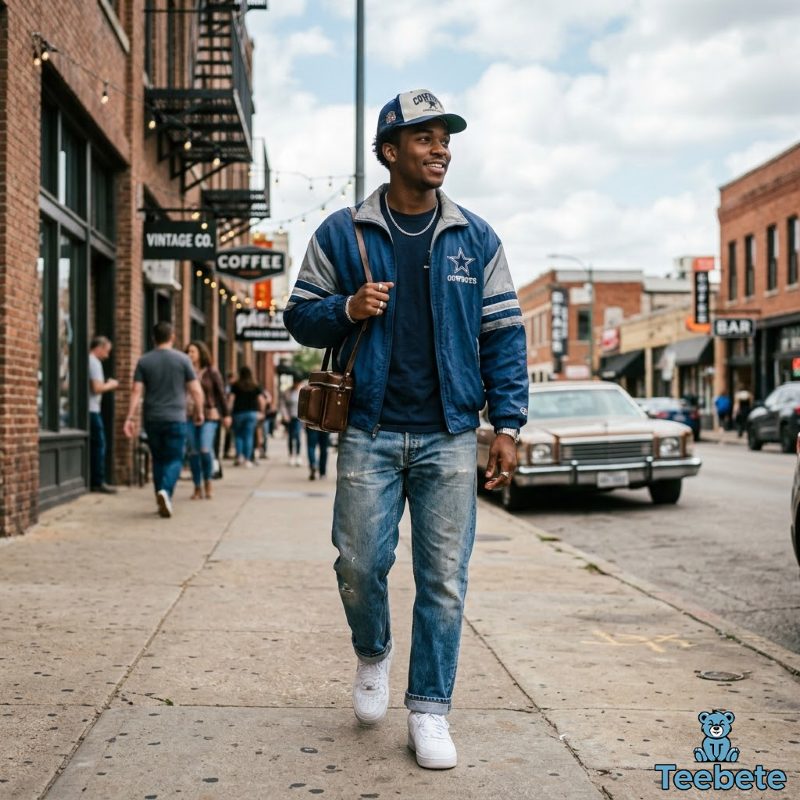
Vintage Cowboys apparel fits naturally into several everyday styling scenarios, well beyond just wearing it to games.
Game day outfits
A classic Starter jacket or vintage tee paired with simple denim makes for an effortless, authentic game-day look that stands out from newer mass-produced jerseys.
Casual weekend streetwear
Oversized vintage tees and crewnecks work well in relaxed, casual outfits, often paired with simple sneakers and minimal accessories for an understated retro aesthetic.
Summer vacation looks
Lighter vintage pieces, or modern apparel inspired by retro Cowboys design, can fit comfortably into warm-weather travel wardrobes without sacrificing team pride.
Layering during colder seasons
Heavier vintage pullovers and jackets layer well under coats during colder months, combining function with nostalgic style.
If you’re interested in recreating that classic 1990s game-day look with modern pieces, our Cowboys throwback outfit ideas guide explores several styling approaches inspired by vintage fan culture.
Caring for Vintage NFL Clothing to Preserve Its Value
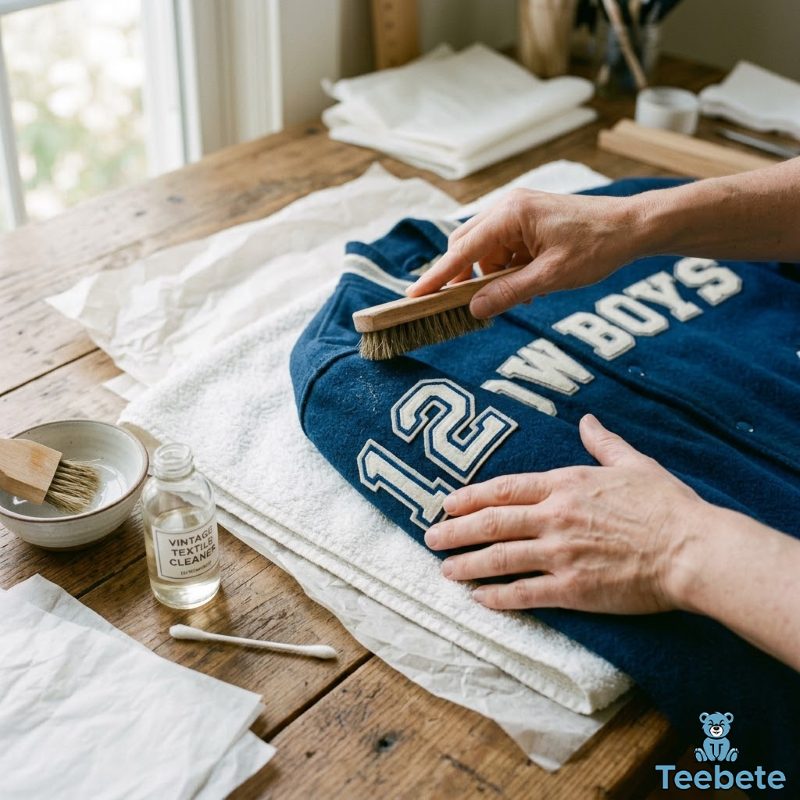
Vintage clothing ages differently than modern apparel. A single mistake, such as machine-drying a thirty-year-old screen-printed tee on high heat, can permanently damage graphics that cannot be replaced. Fortunately, a few simple habits dramatically reduce that risk.
Washing delicate vintage fabrics
Older fabrics often require gentler handling than modern materials. Hand washing in cold water, or using a delicate machine cycle inside a protective bag, helps minimize stress on aging fibers and prints.
Proper storage methods
Storing vintage apparel folded rather than hung helps prevent stretching, while acid-free tissue paper and breathable storage containers help protect fabric from yellowing or moisture damage.
Preventing print damage
Turning printed garments inside out before washing, and avoiding high heat during drying, helps preserve graphics that might otherwise crack or fade prematurely.
Long-term preservation tips
Keeping vintage pieces away from direct sunlight, extreme temperatures, and humidity significantly extends their lifespan, whether they are being worn occasionally or kept purely as collectibles.
Modern Dallas Cowboys Apparel Inspired by Vintage Style
While authentic vintage pieces remain the first choice for many collectors, they are not always practical to source or wear regularly. At Teebete, we create apparel inspired by classic Cowboys aesthetics for fans who appreciate vintage style but prefer the comfort and durability of modern garments.
Relaxed tropical styles inspired by classic Cowboys fandom
For fans who enjoy a more laid-back, vacation-ready aesthetic, options like the tropical football fan shirt and island inspired Cowboys apparel blend team pride with relaxed, warm-weather style.
Holiday apparel with nostalgic football themes
Seasonal designs also offer a fun way to celebrate the team during the holidays, such as the festive Cowboys winter hoodie, which combines holiday cheer with classic football fandom.
Understanding the Meaning Behind Dallas Cowboys Team Colors
The Cowboys’ color scheme has played a quiet but consistent role in shaping the team’s apparel identity across every decade.
Royal blue has long represented loyalty and tradition, anchoring nearly every major Cowboys design since the franchise’s early years under Tom Landry. Silver, somewhat unusual among NFL teams at the time of its adoption, came to symbolize the franchise’s ambition and forward-looking identity, eventually becoming closely associated with the team’s championship success during the Jimmy Johnson era. White, often used as a base or accent color, has provided visual balance across uniforms and fan apparel alike, helping the blue and silver combination stand out clearly across different garment styles.
These colors have remained remarkably consistent over the decades, which is part of why vintage Cowboys apparel still feels visually connected to current team merchandise despite stylistic changes in graphics and cut.
To learn more about this topic in depth, read the story behind Cowboys colors.
Common Questions Collectors Ask Before Buying Vintage Cowboys Apparel
How can I tell if vintage Dallas Cowboys apparel is authentic?
Check the neck tag, stitching style, NFL Properties licensing marks, and overall print quality against known references for that brand and era. Comparing multiple details together is more reliable than relying on any single factor alone.
Which decades produced the most collectible Cowboys clothing?
The 1990s dynasty era, built around Troy Aikman, Emmitt Smith, Michael Irvin, and head coach Jimmy Johnson, is widely considered the most collectible period, thanks to high production volume during championship seasons combined with now-discontinued brands like Starter and Logo 7.
Are vintage Cowboys shirts worth collecting?
For many fans and collectors, yes. Beyond potential resale value, vintage shirts offer a tangible connection to specific eras of franchise history that newer merchandise simply cannot replicate.
Why are Starter jackets so popular?
Starter jackets are closely tied to the Cowboys’ most successful era, and the brand’s distinctive satin construction and bold graphics have made them iconic within both sports collecting and streetwear culture.
Can modern reproductions become collectibles?
It is possible, particularly for limited-run releases tied to significant events, but reproductions generally hold less long-term value than genuine vintage pieces from the original era.
What is the safest place to buy authentic vintage Dallas Cowboys apparel?
Reputable vintage marketplaces with seller ratings, specialized vintage sportswear retailers, and in-person memorabilia conventions tend to offer the most reliable buying experiences.
Should I wear or preserve valuable vintage pieces?
This depends on personal priorities. Fans who want to use their collection day-to-day can do so carefully with proper handling, while serious collectors aiming to maintain maximum value often choose to display or store rare pieces, particularly deadstock items, rather than wear them regularly.
Conclusion
Vintage Dallas Cowboys apparel sits at a unique intersection of football history, collector culture, and modern fashion. Understanding how the apparel evolved across decades, from Tom Landry’s early teams through the Jimmy Johnson dynasty and into the Jerry Jones era, learning to authenticate genuine pieces, and knowing where to find vintage Dallas Cowboys clothing all contribute to building a collection with real confidence rather than guesswork. Equally important is knowing how to style and care for these pieces so they remain wearable and valuable for years to come.
Whether you are searching thrift stores for a rare 1990s Starter jacket or simply exploring where to find vintage Dallas Cowboys clothing online, approaching the hobby with patience and knowledge pays off. Ultimately, vintage Cowboys apparel deserves to be appreciated as a meaningful piece of football history, not just another fashion trend.

Hi, I’m Mia Wilson. I’m a journalist and content creator based in New York with over six years of experience covering sports, holidays, fan culture, and community events across the United States. I focus on exploring team histories, traditions, celebrations, and the broader impact of sports and cultural events on local communities. I’m passionate about providing accurate, engaging, and educational content for readers of all ages, helping them understand the stories, experiences, and events that make sports and celebrations so meaningful.