Why Are the Dallas Cowboys Called Americas Team
The Dallas Cowboys have been called “America’s Team” since 1978, and the name did not come from the franchise itself. It came from NFL Films, the league’s in-house production company, during the editing of a season highlight reel. A writer and producer named Bob Ryan coined the phrase for that film, and legendary narrator John Facenda gave it a voice that stuck. Decades later, fans still argue about whether the Cowboys have earned it or simply inherited it, but the origin story is not really up for debate. Here is where the label actually came from, why it spread so fast, and why it still shapes how people talk about this franchise almost fifty years later.
Why Are the Dallas Cowboys Called America’s Team?
The Dallas Cowboys are called America’s Team because NFL Films used the phrase in the title and narration of the team’s 1978 season highlight video. Producer Bob Ryan wrote the line after noticing that Cowboys fans consistently outnumbered home fans in visiting stadiums during road games.
A few things made the nickname take hold and outlast every other team’s attempt at claiming it:
- It was coined in 1978, at the tail end of one of the winningest stretches in NFL history.
- It came from NFL Films, a production company with enormous influence over how fans experienced the league.
- It captured something real: fans wearing Cowboys gear in nearly every stadium the team visited.
- Dallas was already the league’s most broadcast team, especially on national television.
- Supporters showed up in every region of the country, not just Texas.
- The star logo made the team instantly recognizable, even to casual viewers.
- Fans famously traveled with the team, a phenomenon few other franchises could match.
That combination of timing, television reach, and a fan base with no geographic limit is what turned a line of narration into a permanent identity.
Who Actually Created the “America’s Team” Nickname?
The Story Behind Bob Ryan’s Famous Phrase
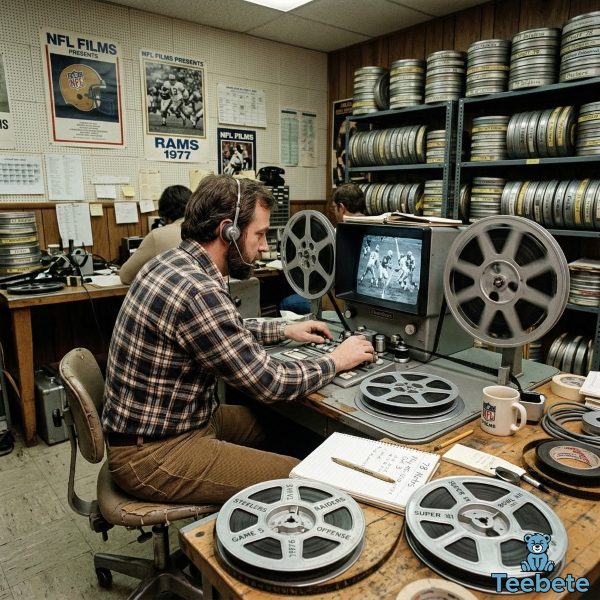
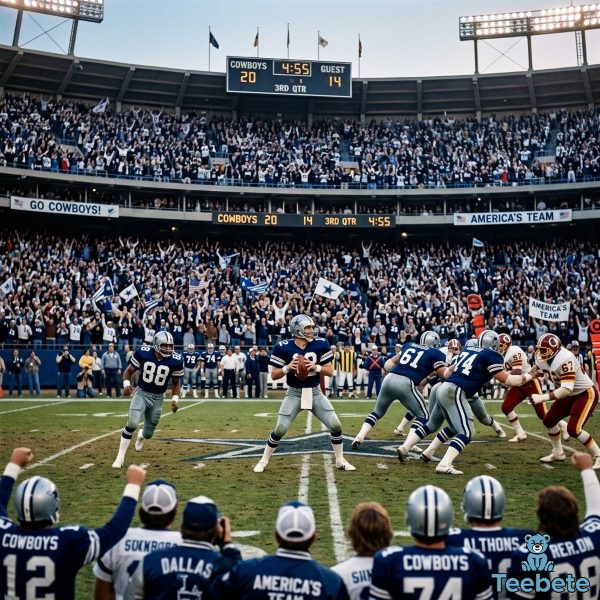
Bob Ryan worked for NFL Films and had produced the Cowboys’ highlight video every season since the mid-1960s. While putting together the reel for the 1978 season, which ended with a loss to the Pittsburgh Steelers in Super Bowl XIII, Ryan needed a fresh angle for the opening narration. He kept thinking about something he had noticed for years: no matter where the Cowboys played, opposing stadiums were full of fans wearing Dallas jerseys, hats, and pennants.
That observation became the opening lines of the film, read in the booming baritone of narrator John Facenda, comparing the team’s national following to college football’s Notre Dame and describing their faces as familiar to the public as those of presidents and movie stars. The video’s title carried the phrase that would outlive the highlight reel itself.
“I saw all these fans in away stadiums. They’re the most popular team in the country. Why don’t we call them America’s Team?” — Bob Ryan, NFL Films
The phrase entered wider circulation less than a year later. During the 1979 season opener, a nationally televised game against the St. Louis Cardinals, CBS announcer Pat Summerall introduced Dallas on air as America’s Team. From that broadcast forward, the name belonged to the public conversation, not just to NFL Films.
An easily overlooked detail here is that the organization did not write the phrase, request it, or trademark it in advance. It was a media label the franchise later leaned into, once fans and broadcasters had already made it stick.
Why Tom Landry Was Never Comfortable With the Label
Head coach Tom Landry was not thrilled when the nickname caught on. He worried it would hand opponents extra motivation, giving every rival a bigger reason to want a win over the so-called America’s Team. Landry was famously reserved and preferred to let the scoreboard do the talking rather than a marketing tagline.
He had little control over it, though. The name spread through television broadcasts, newspaper coverage, and eventually merchandise, all of it happening outside the coaching staff’s reach. Landry reportedly grew to accept the nickname over time, even if he never fully embraced the extra attention it brought to every game on the schedule.
Why the Nickname Spread Across America So Quickly
National Television Exposure
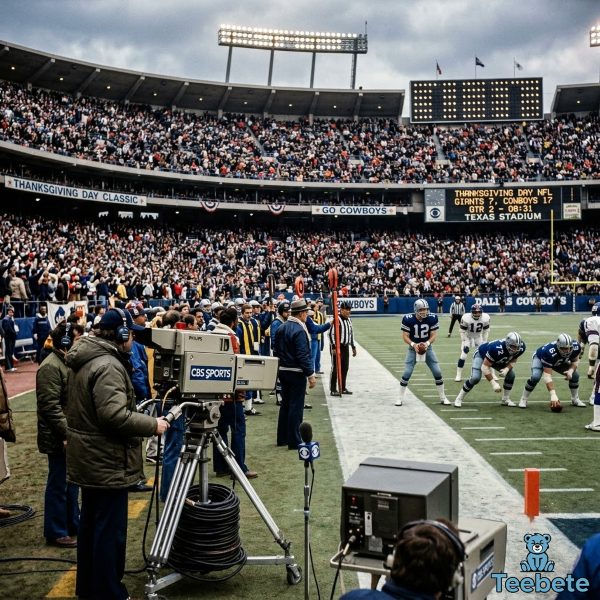
Few teams in any sport have had the kind of broadcast presence Dallas had by the late 1970s. The franchise was a fixture in the national game of the week, and its annual appearance on Thanksgiving Day football, a tradition that started in 1966, put the team in front of the largest possible audience every single year. That kind of built-in national exposure gave the nickname a stage no local rivalry could match. NFL Network specials and later retrospectives, including NFL Films’ own America’s Game series, kept recycling that same footage for new generations of fans decades after the original broadcasts aired.
Winning During the 1970s
Strong branding helped, but it was only part of the story. Quarterback Roger Staubach led the team to two Super Bowl titles in the 1970s, and under Landry the franchise strung together an NFL record 20 consecutive winning seasons, a run that included 12 conference championship game appearances and five Super Bowl trips. A losing team gets a nickname mocked. A winning team gets it repeated on every broadcast.
A Fan Base That Traveled Everywhere
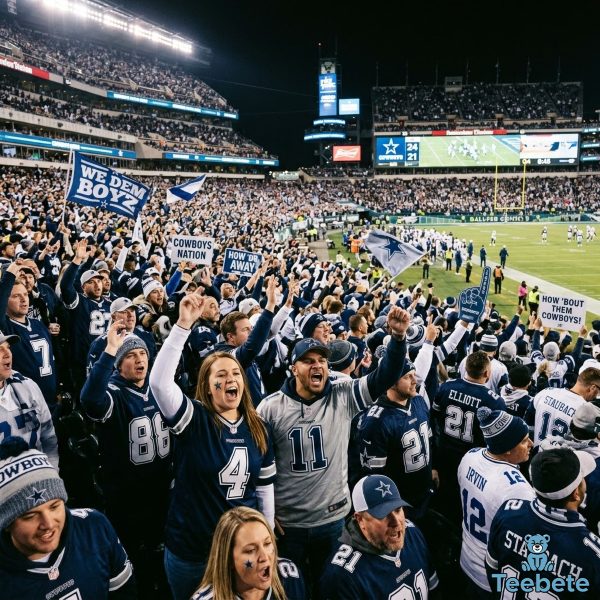
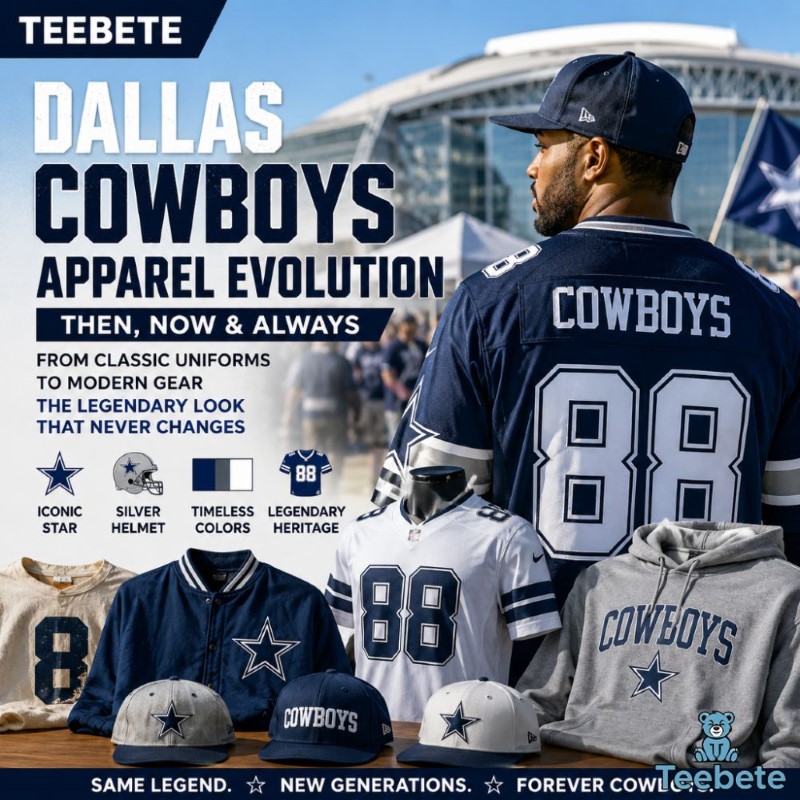
This is the part of the story most casual retellings skip past. The nickname did not stick simply because Dallas won games or appeared on television often. It stuck because opposing stadiums were visibly full of Cowboys supporters, something that was unusual in the NFL at the time and remains rare today. Season ticket holders in cities with no connection to Texas would show up in silver and blue, turning road games into something closer to neutral-site events. That visible, traveling fan base is a big part of why the iconic Cowboys apparel evolution became its own storyline within the franchise’s history, since gear worn far from Dallas did as much to spread the brand as any broadcast.
How the Nickname Reflected American Sports Culture
The timing mattered as much as the team itself. The late 1970s were the moment national broadcast television turned the NFL into the country’s dominant sport, and a handful of franchises became recognizable well outside their home markets. Dallas landed in that window with a winning roster, a marketable look, and a coach and quarterback who carried themselves like national figures rather than regional ones. The nickname was really a symptom of a broader shift in how Americans consumed sports media, and the Cowboys simply happened to be the team standing in the spotlight when that shift occurred.
How the Star Logo Became an American Sports Icon
More Than a Football Logo
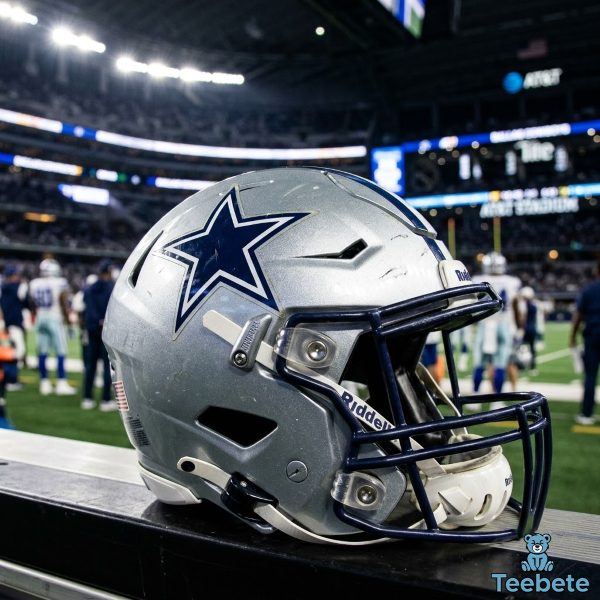
The star is one of the most recognized marks in American sports, and its meaning runs deeper than most fans realize. The lone star draws directly from Texas identity, echoing the state flag and the “Lone Star State” nickname long before the franchise existed. Wearing the star was never just about supporting a football team. For a lot of fans, it was shorthand for regional pride that happened to translate into national appeal.
Why Visual Identity Matters in Sports
A logo has to survive shrinking down to a helmet decal and blowing up to stadium-size signage without losing clarity, and the star does both. Consistency mattered too. Unlike franchises that redesigned their look every decade chasing a trend, Dallas kept its identity stable for generations, which made the mark easier to license, easier to merchandise, and easier to spot from across a crowded concourse, whether that concourse was inside the old Texas Stadium or today’s AT&T Stadium in Arlington. That stability is a large part of why the meaning behind the famous star still gets discussed by design and branding writers who have nothing to do with football coverage.
Was It Only About Winning? Not Exactly
It is tempting to assume the nickname survives purely because the team was good in the 1970s, but the label has outlasted three decades without a Super Bowl appearance. That only makes sense if other factors were doing real work alongside the win column.
| Factor | Impact on the “America’s Team” nickname |
|---|---|
| Championships | High |
| National TV exposure | Very High |
| Nationwide fan base | Very High |
| Branding and logo consistency | Very High |
| Merchandise visibility | High |
Here is a quick timeline of how the label moved from a highlight reel to a permanent identity:
| Year | Event |
|---|---|
| 1978 | Bob Ryan writes “America’s Team” into the Cowboys’ NFL Films season highlight video |
| 1979 | CBS’s Pat Summerall uses the nickname on a national broadcast, and it enters everyday use |
| 1989 | Jerry Jones buys the franchise for $140 million and leans further into its national brand |
| 2009 | The team moves from Texas Stadium into AT&T Stadium, expanding its media and merchandising footprint |
| 2016 to today | Forbes ranks the Cowboys the NFL’s most valuable franchise every year, keeping the nickname commercially relevant even without a recent championship |
Television exposure and branding have arguably carried more long-term weight than championships. The franchise has not reached a Super Bowl since the 1995 season, yet according to Forbes’ annual valuations, it has ranked as the NFL’s most valuable franchise every year since 2016, reaching an estimated $13 billion in 2025, well ahead of every other team in the league. A nickname built only on wins would have faded decades ago. This one did not.
Why Many NFL Fans Still Disagree With the Nickname
Why Some Fans Think the Cowboys No Longer Deserve It
The most common objection is straightforward: America’s Team should be winning, and Dallas has not won a championship since Super Bowl XXX. Playoff disappointments have piled up through multiple coaching changes, and critics point out that a nickname earned through 1970s dominance feels increasingly disconnected from the product on the field.
Why Supporters Believe the Nickname Still Fits
Defenders of the name point to numbers that have nothing to do with the scoreboard. The franchise remains the most valuable sports property on the planet, it consistently draws the largest television audiences in the league regardless of record, and its merchandise sales stay near the top of the NFL year after year. For these fans, the nickname was never solely about championships. It was about cultural reach, and by that measure, little has changed.
Neither side is entirely wrong. The debate itself, running for nearly fifty years now, is part of what keeps the nickname relevant. Watch almost any road game today and the old pattern still shows up. Even when the home crowd technically outnumbers them, flashes of silver and navy jerseys appear across nearly every camera angle. That kind of visibility is exactly what keeps the argument alive among fans who insist the label should have expired years ago.
How Cowboys Apparel Helped Build the America’s Team Identity
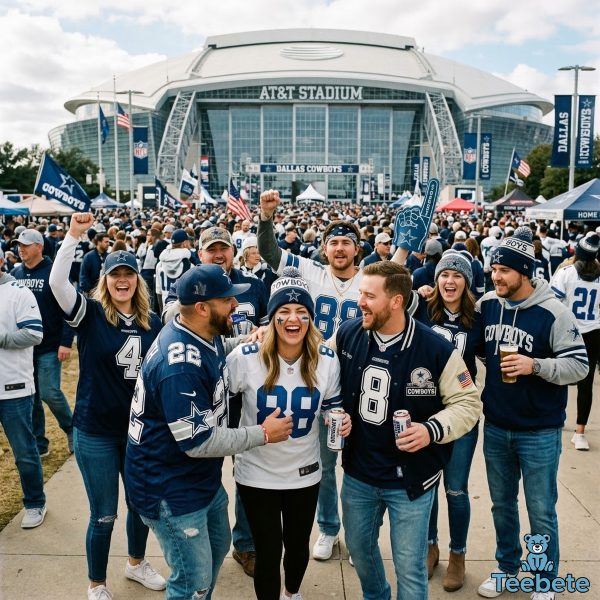
Merchandise played a bigger role in this story than most highlight reels give it credit for. Jerseys, jackets, and caps worn far from Texas turned ordinary fans into walking advertisements long before social media existed. Sideline apparel worn by coaches and players added another layer of visibility every time cameras panned to the bench, and the cheerleading squad, nicknamed America’s Sweethearts, extended that same visibility into entirely different media, from USO tours to its own long-running television franchise. At road games specifically, that gear is what NFL Films noticed in the first place, since a stadium full of visiting jerseys in a city with no direct tie to Dallas was the exact detail that inspired the nickname. For readers interested in how jerseys, jackets, and sideline apparel evolved alongside the franchise itself, the complete Cowboys apparel guide breaks those changes down era by era.
How the Uniform Became Part of the Cowboys Legacy
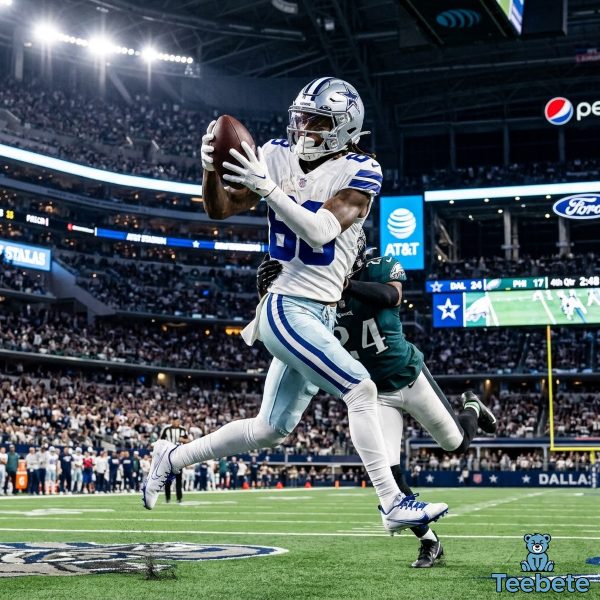
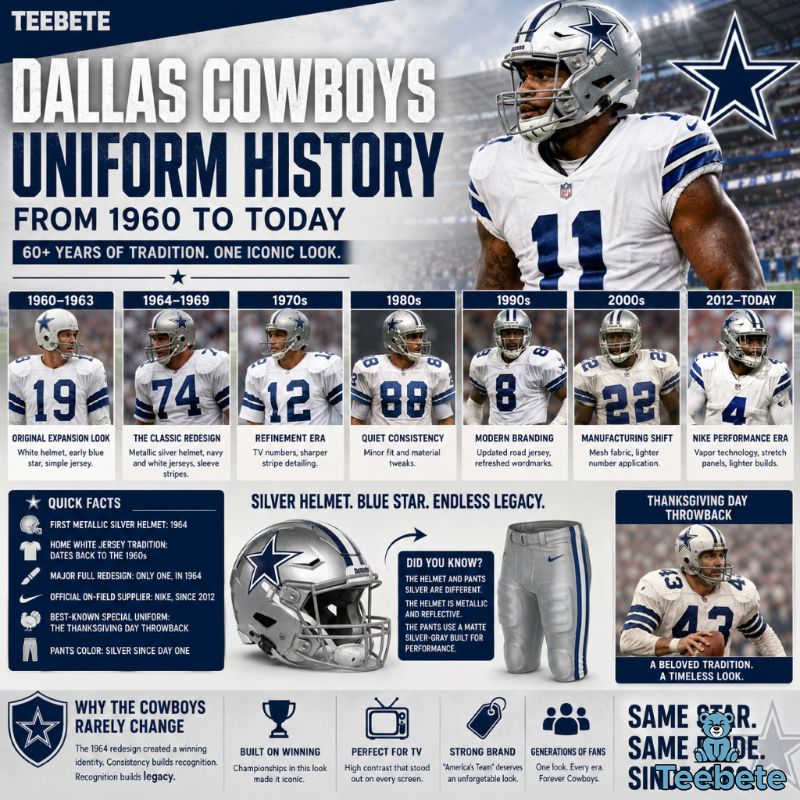
There is a persistent myth that the team wears blue as its primary color, largely because the away jerseys and the star’s outline are so recognizable in navy. In reality, Dallas has worn white at home for most of its existence, a rare choice in the NFL that Landry made deliberately, partly because he believed it kept players cooler in Texas heat and partly because it stood out on television. That white-and-silver combination, paired sparingly with the navy blue jersey on the road, gave the club a look television cameras could pick out instantly, which reinforced the nickname every time the team appeared on a national broadcast. Fans who want the full breakdown of how that visual identity evolved can find it in the history of Cowboys uniforms.
What America’s Team Means Today
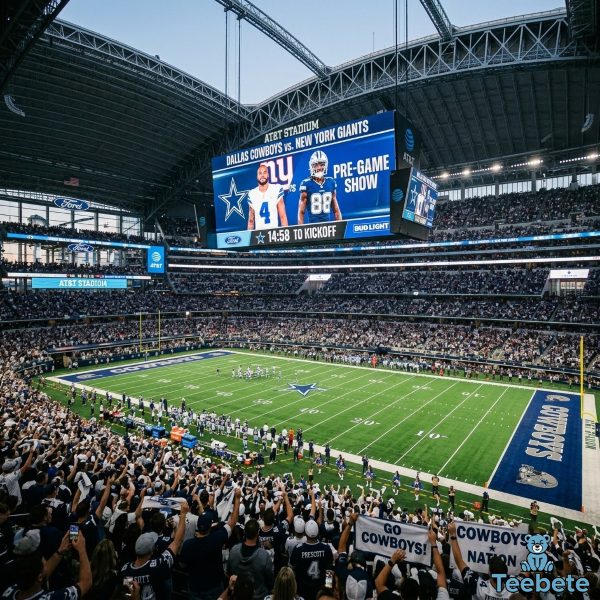
Nearly fifty years after Bob Ryan wrote that line of narration, “America’s Team” means something broader than football success. Today the phrase says less about the standings than about cultural influence. Whether the club is contending for a championship or falling short in January, its visibility across television, merchandise, and fan communities remains largely unmatched, reinforced by the Ring of Honor at AT&T Stadium, the sprawling Star headquarters in Frisco, and an owner in Jerry Jones who has spent more than three decades keeping the franchise in the national conversation. That staying power is what has allowed the nickname to survive long after the dynasty years ended, and it is why the phrase still shows up in casual conversation among people who otherwise pay little attention to football.
Finding Apparel That Celebrates Cowboys History Naturally
Many longtime supporters look beyond current-season jerseys. Instead, they seek apparel inspired by defining moments such as the Staubach era, the Landry years, or the 1990s dynasty, because those designs tell a story that newer releases often cannot.
At Teebete, we believe understanding the history behind the team helps fans choose apparel that celebrates the Cowboys’ legacy with greater meaning.
Common Questions About the America’s Team Nickname
Who first called the Cowboys America’s Team?
NFL Films producer Bob Ryan first used the phrase while writing narration for the team’s 1978 season highlight video.
When did the nickname begin?
The nickname first appeared in the 1978 highlight film and spread nationally the following year, after CBS announcer Pat Summerall used it during the 1979 season opener.
Did the Dallas Cowboys create the nickname themselves?
No. The organization did not coin the phrase or request it. It came from an outside production company, NFL Films, and the franchise adopted it only after the label had already caught on with fans and broadcasters.
Why do some NFL fans dislike the nickname?
Critics argue the club has not won a Super Bowl since the 1995 season, making a name built around 1970s championship dominance feel outdated compared to more recent playoff results.
Do the Cowboys still deserve to be called America’s Team?
That depends on the measure used. By championships, the case has weakened since the mid-1990s. By valuation, national television ratings, and merchandise reach, the franchise remains at or near the top of the NFL every year.
What role did fan apparel play in popularizing the nickname?
Cowboys gear worn in visiting stadiums across the country was the specific detail Bob Ryan noticed before writing the nickname into the 1978 highlight film, making apparel visibility one of the direct origins of the name itself.
Conclusion
The story behind America’s Team is less about marketing genius and more about a coincidence that turned out to be permanent. Bob Ryan noticed something true about the fan base in the late 1970s, wrote it into a highlight reel, and the phrase outgrew the film, the season, and eventually the sport itself. Winning in the Staubach and Landry era gave the name its credibility, national television gave it reach, and a fan base willing to travel gave it staying power that outlasted three decades without a championship. Few NFL franchises generate stronger reactions, and the debate over whether Dallas still deserves the title will likely never fully settle. That ongoing argument is part of the reason the name has never faded. Whether people embrace or reject the nickname, America’s Team has become one of the most recognizable identities in professional sports, extending far beyond wins and losses.

Hi, I’m Mia Wilson. I’m a journalist and content creator based in New York with over six years of experience covering sports, holidays, fan culture, and community events across the United States. I focus on exploring team histories, traditions, celebrations, and the broader impact of sports and cultural events on local communities. I’m passionate about providing accurate, engaging, and educational content for readers of all ages, helping them understand the stories, experiences, and events that make sports and celebrations so meaningful.